Qingdao, China — August 25, 2026
Underwater lift bags, also known as subsea buoyancy air bags, are critical inflatable buoyancy tools for underwater operations, manufactured per IMCA D‑016 international diving standard with a minimum 6:1 safety factor. Equipped with inflation ports, over‑pressure relief valves and heavy‑duty lifting harnesses, these foldable air bags generate controllable buoyancy underwater, replacing large‑scale floating cranes in many complex marine projects. They are widely adopted across marine salvage, offshore oil‑gas, harbour engineering, offshore wind energy, subsea pipeline installation and underwater archaeological recovery worldwide.
Marine Salvage & Emergency Underwater Rescue
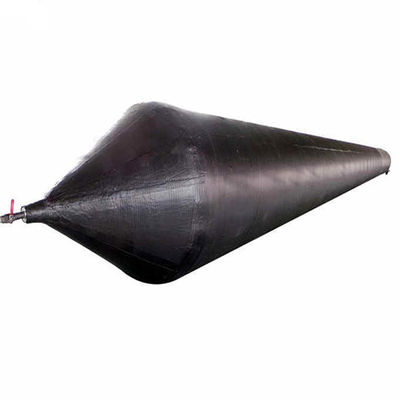
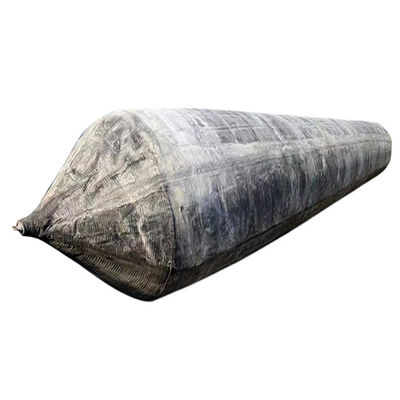
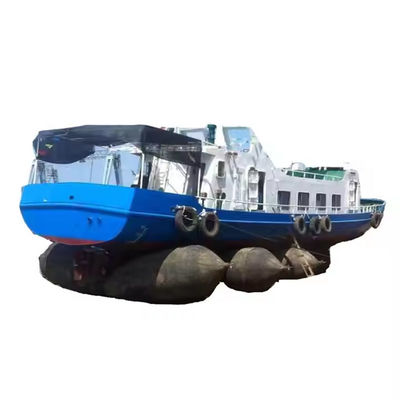
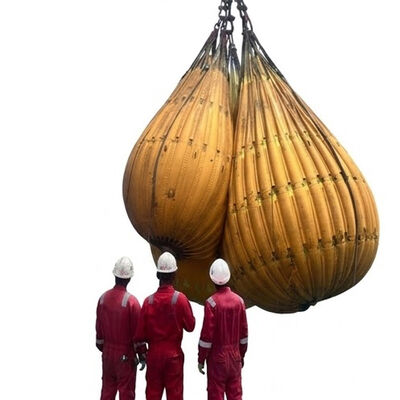
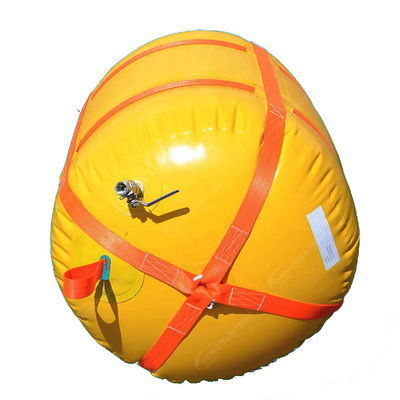
Marine salvage remains the largest consumption field for underwater lift bags. Parachute‑style open‑bottom lift bags are preferred for deep‑water wreck recovery. Multiple sets of large‑capacity lift bags work in staged inflation mode to refloat sunken vessels, stranded barges, sunken containers and sunken aircraft without rigid impact to hull structures. In emergency maritime accidents, divers deploy pillow‑type lift bags to raise sunken vehicles, submerged equipment and sunken cargo. Compared with traditional salvage pontoons, lift bags require less deck space, fast deployment and lower mobilization cost, delivering reliable performance in coastal emergency rescue and open‑sea wreck salvage missions.
Offshore Oil and Gas Decommissioning & Subsea Maintenance
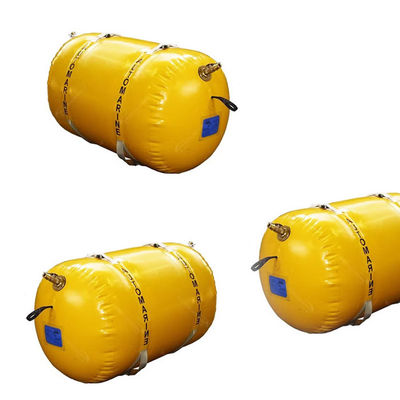
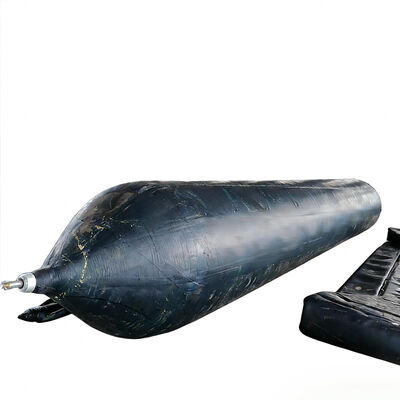
In offshore oil‑gas industry, underwater lift bags serve for decommissioning obsolete subsea facilities, retrieving damaged well‑head modules, heavy valve assemblies and failed subsea equipment from seabed. Cylindrical enclosed lift bags provide stable auxiliary buoyancy during subsea structure removal. Operators adjust ascending speed by remote venting valves to avoid uncontrolled ascent risk, greatly improving safety for deep‑sea dismantling and maintenance work.
Subsea Pipeline, Cable and Dredging Project
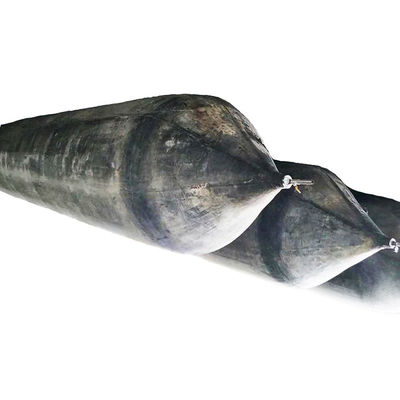
Cylindrical underwater lift bags are core auxiliary equipment for pipeline laying, repairing and relocation. Contractors wrap cylindrical lift bags around long‑distance subsea pipelines, dredging hoses and power cables to deliver balanced buoyancy support during float‑out, lowering tension during underwater positioning and seabed landing. They help adjust pipeline elevation, assist pipeline segment connection, and recover abandoned underwater pipes. This solution reduces dependence on heavy lifting vessels and shortens overall construction cycle for dredging and submarine cable projects.
Harbour Construction and Underwater Civil Engineering
For port and underwater civil engineering projects, pillow‑type and cylindrical lift bags are applied to lift and transport caissons, concrete blocks, dock foundation components and underwater pier segments. Controlled inflation enables fine buoyancy adjustment for accurate underwater placement of heavy prefabricated parts. In tidal flat and near‑shore zones where large cranes cannot approach, portable underwater lift bags complete installation and relocation tasks efficiently, cutting project infrastructure investment significantly.
Offshore Wind Power New Energy Sector
Fast‑growing offshore wind industry brings new market demands for underwater lift bags. Custom‑built high‑capacity lift bags support installation, adjustment and replacement of wind‑turbine foundation modules, mooring anchors and submerged buoy assemblies. During foundation pile levelling and underwater component recovery operations, lift bags offer safe auxiliary buoyancy, becoming popular cost‑effective alternatives to high‑price heavy‑lift vessels for offshore wind contractors across Asia‑Pacific, Middle East and Europe.
Underwater Archaeology, Scientific Research and Commercial Diving
Medium and small‑size underwater lift bags are extensively used for underwater archaeological excavation, recovering historic sunken relics without mechanical damage. They are also deployed to salvage scientific monitoring instruments, ROVs and seabed sampling devices. Local maritime authorities and commercial diving teams use compact lift bags for lake‑area object recovery, marina sunken boat refloating and lost gear retrieval work.
Industry analysts note that global marine contractors increasingly prioritize IMCA‑compliant, traceable underwater lift bags instead of low‑grade non‑standard products. Driven by offshore wind expansion, seabed infrastructure building and growing salvage‑rescue business, global market demand for underwater lift bags will keep steady growth from 2026 onwards.


 Your message must be between 20-3,000 characters!