Qingdao, China — August 25, 2026
Underwater lift bags are core inflatable buoyancy equipment widely used in marine salvage, sub‑sea pipeline construction, harbour engineering and offshore wind projects. According to IMCA D‑016 international diving standard, three mainstream categories dominate the global market: parachute open‑bottom type, totally‑enclosed cylindrical type and pillow‑type lift bagsInternatio.... Improper model selection will trigger uncontrolled ascent, load overturning, fabric rupture and other major underwater safety risks. Marine engineering contractors are advised to match bag style, buoyancy capacity, safety factor and working depth to actual project conditions before deployment.
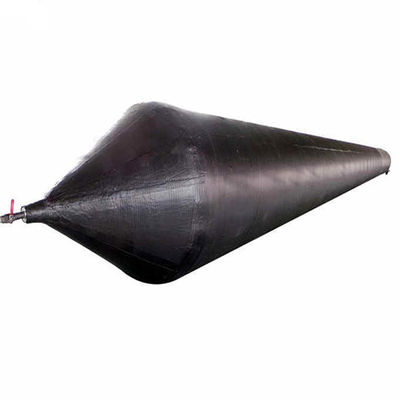
Parachute Open‑Bottom Lift Bag
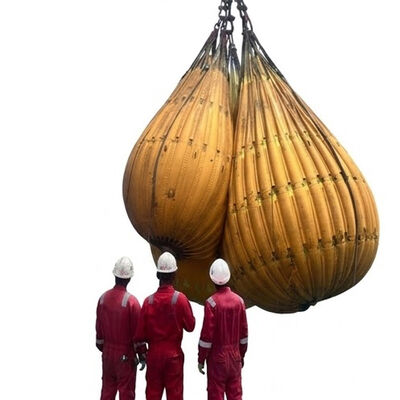
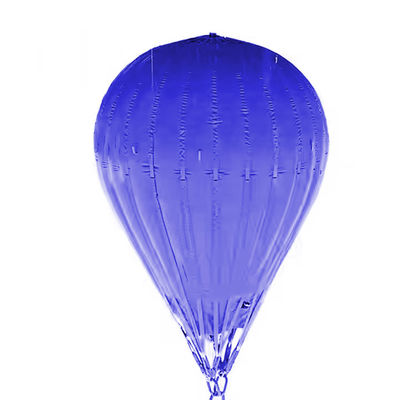
Shaped like an inverted teardrop with open bottom structure, this type is the most widely‑adopted solution for deep‑water lifting and salvage missions. Core characteristics: Open‑bottom design automatically releases expanded air during ascending, eliminates over‑pressure burst risk caused by seawater pressure change; single‑point lifting rigging, equipped with dump‑valve pull‑cord for diver manual buoyancy adjustment. It adapts to unlimited water depth, capacity ranges from 50 kg up to 35 tons. Best‑fit scenarios: Deep‑water wreck refloating, sunken container recovery, stranded vessel salvage, heavy seabed hardware lifting, emergency underwater rescue. It is the preferred option for dynamic lifting from deep seabed to surface. Limitations: Not suitable for long‑time static floating and long‑distance towing on sea surface; air will escape once tilting happens.
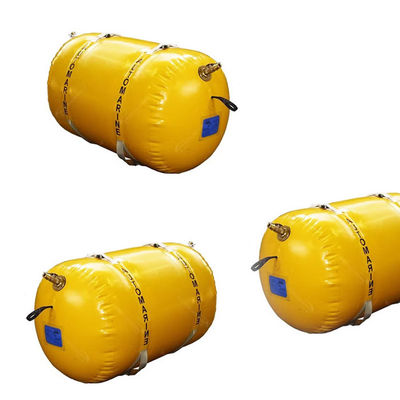
Totally‑Enclosed Cylindrical Lift Bag
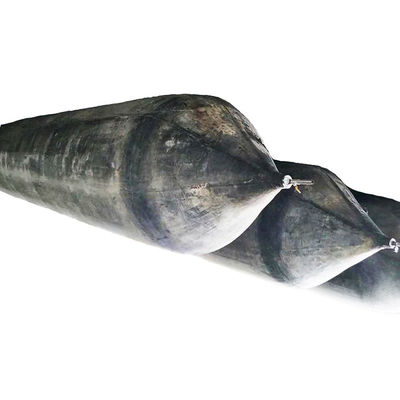
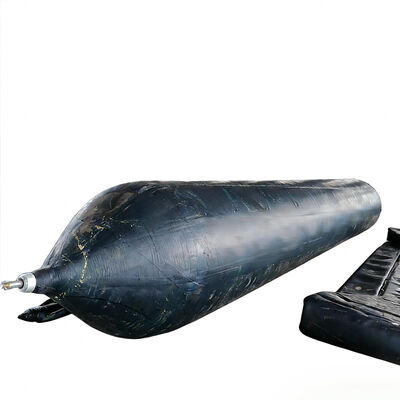
Fully sealed cylindrical buoyancy unit with multi‑point harness and calibrated over‑pressure relief valves. Core characteristics: Sealed cavity maintains stable static buoyancy; multiple lifting attachment points for horizontal binding around long structures. Strictly limited for shallow‑water operation (normally within 20 meters). Over‑pressure relief valves must function reliably to release expanded air during ascent and avoid bag rupture. Best‑fit scenarios: Sub‑sea pipeline float‑out, dredging hose buoyancy support, submarine cable laying, offshore module load reduction, near‑shore static buoyancy support, surface towing operation. Cylindrical profile fits perfectly around pipelines and elongated marine structures. Limitations: Large‑capacity enclosed bags are not recommended for deep‑water inflation. Air expansion brings huge pressure risk when ascending from great depth.
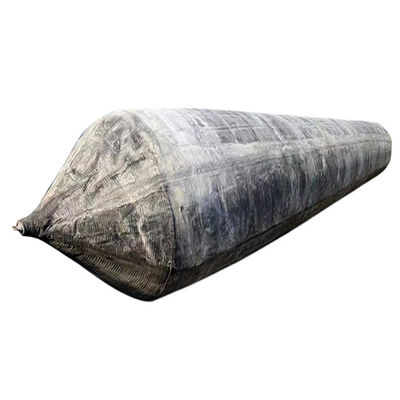
Pillow‑Type (Square Enclosed) Lift Bag
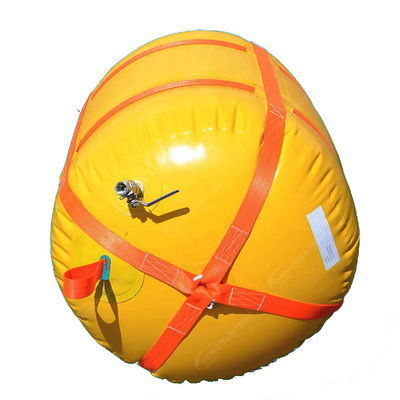
Flat square enclosed structure with multi‑point heavy‑duty webbing harness. Core characteristics: Low‑profile shape, large contact area, stable horizontal posture, excellent anti‑tilt performance. Easy folding and transportation. Best‑fit scenarios: Harbour construction, concrete caisson underwater relocation, pier foundation component installation, shallow‑water small‑vessel salvage, commercial diving recovery, inland water sunken object retrieval. Ideal for lifting block‑shaped heavy prefabricated parts in tidal flat and near‑shore zones. Limitations: Not fit for deep‑water dynamic lifting; mainly deployed within shallow coastal and inland waters.
Key Selection Principles from IMCA D‑016 Standard
- Working depth priority: For deep‑water salvage, select parachute open‑bottom bags. For shallow‑water static buoyancy and pipeline float‑out, choose cylindrical enclosed bags; pillow bags for near‑shore heavy block handling.
- Safety factor requirement: The whole assembly including fabric, webbing harness and shackles shall reach minimum 5:1 safety factor; high‑risk salvage projects adopt 6:1 safety factor.
- Buoyancy margin calculation: Do not select lift bags exactly matching submerged weight. Reserve reasonable buoyancy margin, calculate centre‑of‑gravity and centre‑of‑buoyancy to prevent load overturn; multiple small‑capacity bags are preferred over single oversized bag for complex lifting tasks.
- Valve configuration check: Open‑bottom parachute bags require dump‑valve pull‑cord. All enclosed‑style bags must be fitted with certified over‑pressure relief valves.
- Certification requirement: Prefer products with IMCA D‑016 compliance, third‑party type test report. Non‑standard uncertified low‑cost bags shall be rejected for offshore projects.
Industry Remarks
Market analysts point out that many underwater operation accidents root in wrong lift‑bag type rather than product quality defects. In recent global marine projects, more diving contractors compile formal lifting plan with type selection, rigging scheme and risk assessment before starting sub‑sea work. As offshore wind and sub‑sea infrastructure construction keep expanding, standardized type‑selection workflow will become mandatory for all underwater buoyancy‑lifting assignments.


 Your message must be between 20-3,000 characters!