خانه/اخبار/How to Choose Marine Rubber Airbags with Suitable Tonnage: Professional Selection Guide
How to Choose Marine Rubber Airbags with Suitable Tonnage: Professional Selection Guide
September 28, 2026
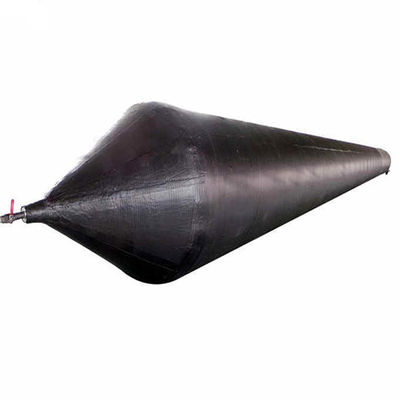
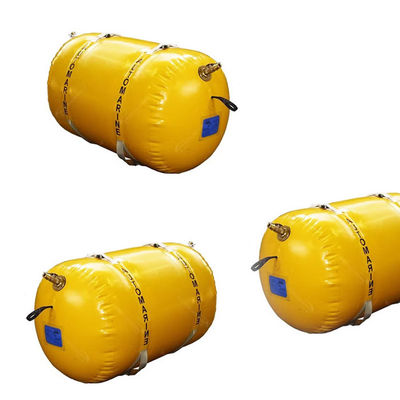
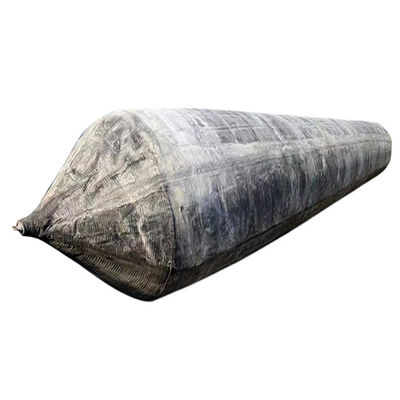
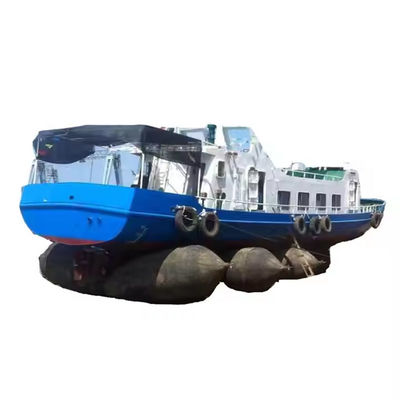
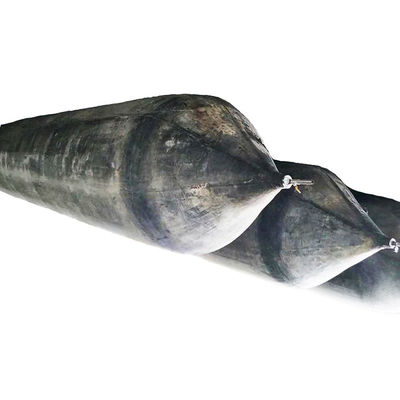
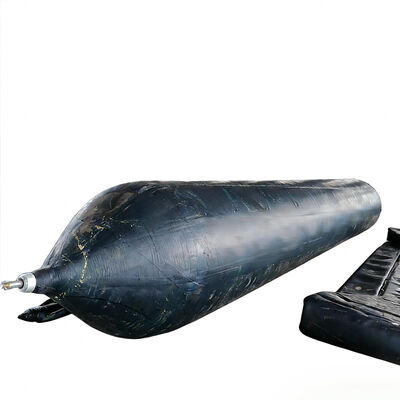
As marine rubber airbags become the mainstream load-bearing and floating solution for ship launching, ship docking, caisson transportation and underwater salvage, correct tonnage selection has become a key factor affecting project safety and construction efficiency. In recent marine engineering practices, many operational risks such as airbag excessive deformation, side bulging and even burst failure are caused by mismatched tonnage. Too small tonnage leads to insufficient bearing capacity and safety margin, while excessively large tonnage causes unnecessary cost waste and unbalanced stress distribution. Therefore, standardizing tonnage selection has become an essential technical procedure for global marine contractors and shipyards.
Professional tonnage selection depends on three core indicators: total weight of the lifted object, reasonable airbag arrangement quantity, and actual working pressure. Engineers firstly calculate the total load of the ship or marine structure, then average the load to each airbag according to construction layout rules. The single-airbag effective bearing tonnage is determined by airbag diameter, effective length and rubber layer grade. For small boats and light caisson transportation, 4-layer and 5-layer medium-tonnage airbags are sufficient; for large ship launching and heavy marine structure moving, 6-layer to 8-layer high-load airbags are required to ensure stable bearing under continuous compression and friction.
In actual project selection, professional teams always reserve a standard safety factor to adapt to complex working conditions such as uneven slipways, unbalanced hull stress and tide changes. Reasonable tonnage matching not only guarantees stable lifting, sliding and floating performance of marine rubber airbags, but also effectively extends service life and reduces project maintenance costs. With standardized tonnage selection solutions widely promoted in the marine industry, more shipyards and engineering companies are adopting scientific parameter matching to achieve safer, more stable and cost-effective marine construction operations.