Underwater Air Lifting Bags — High Load Capacity, Corrosion Resistance, Flexible Operation
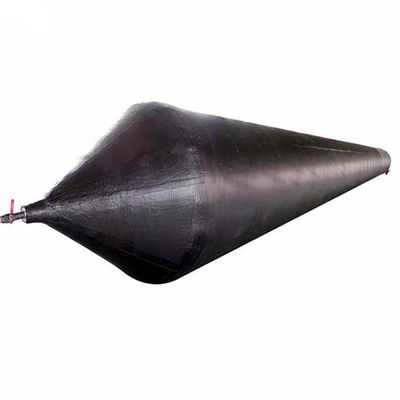
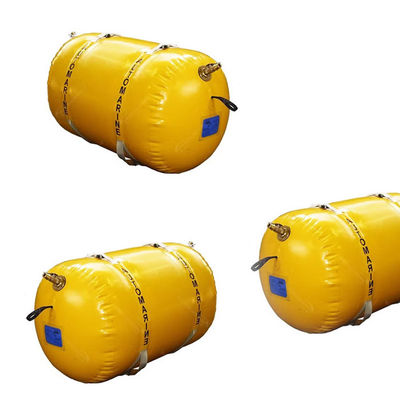
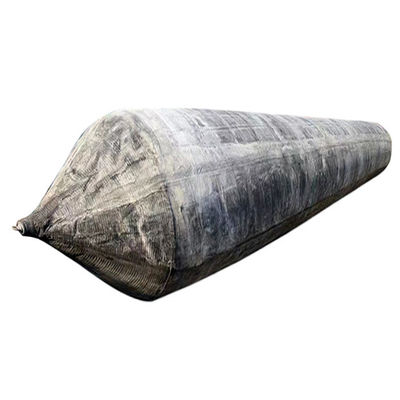
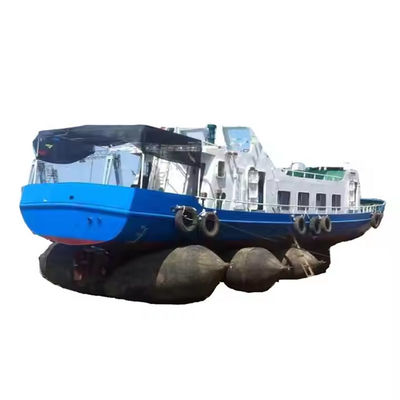
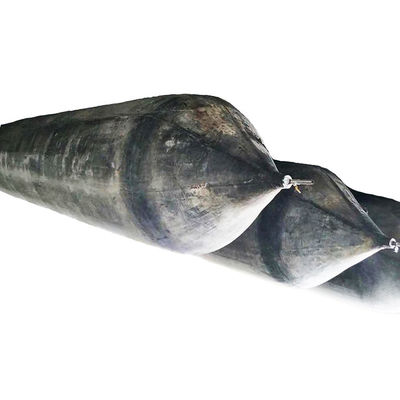
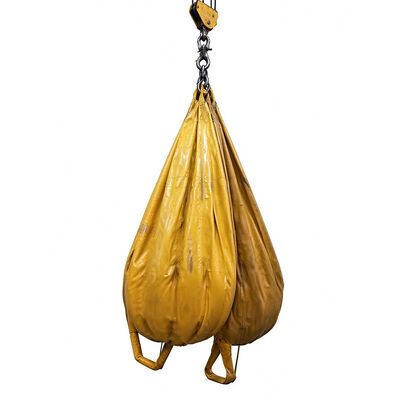
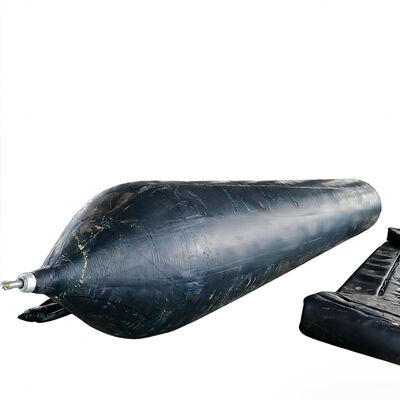
Inflatable Salvage Tubes are specialized buoyancy devices designed to assist with underwater lifting, subsea equipment recovery, temporary flotation support, and marine construction operations. By displacing water when inflated, the tubes generate an upward buoyant force that can reduce the effective submerged weight of equipment and structures. They are suitable for offshore contractors, subsea engineering companies, marine construction teams, salvage operators, and maintenance providers requiring flexible buoyancy solutions for controlled underwater operations.
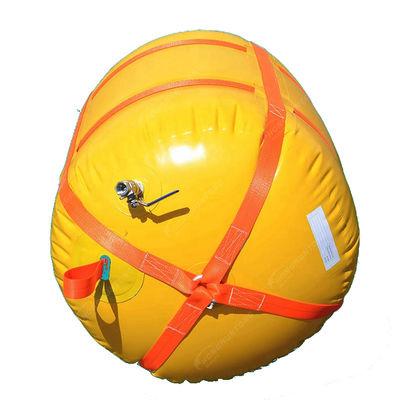
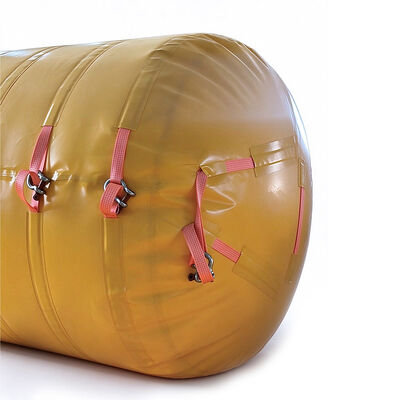
The tube body is generally manufactured from high-strength synthetic reinforcement fabric coated with PVC or polyurethane, depending on the required mechanical properties and environmental conditions. The reinforcement fabric provides tensile strength, while the outer coating helps resist water penetration, abrasion, and deterioration associated with marine exposure. The complete construction may incorporate reinforced end sections, load-bearing webbing, lifting points, inflation valves, connection fittings, and protective components. Each element should be selected according to the intended operating depth, required buoyancy, installation method, and anticipated mechanical loading.
Inflatable Salvage Tubes can be supplied in different lengths, diameters, and buoyancy capacities to accommodate various project requirements. Their configuration can be selected according to the dimensions of the target object, estimated submerged weight, available installation space, and intended lifting arrangement. For subsea construction, several tubes may be positioned at designated locations to provide distributed buoyancy when recovering structural components or repositioning suitable underwater equipment. The arrangement must account for the object's center of gravity, structural strength, and the possibility of uneven loading during lifting.
An important characteristic of inflatable construction is the ability to introduce buoyancy progressively. This allows recovery teams to manage the transition from a submerged condition to a controlled lifting stage rather than applying the full lifting force immediately. When properly engineered, supplementary buoyancy can reduce the load carried by cranes or winches during selected stages of recovery. It can also provide flexibility when working around subsea frames, pipeline supports, temporary construction structures, and other equipment with limited access.
The equipment's performance depends on its rated capacity, operating depth, material condition, inflation arrangement, and connection system. Changes in ambient pressure affect gas volume and buoyancy behavior, making depth-specific calculations essential. The lifting plan must also consider the target object's submerged weight, potential seabed resistance, dynamic loading, and the integrity of the attachment points. Inflatable Salvage Tubes should therefore be treated as components of a complete engineered recovery system rather than independent lifting devices.
After use, the tubes can be deflated, inspected, cleaned, and stored for subsequent operations when their condition remains acceptable. Their compact storage characteristics can help reduce transportation requirements for offshore support vessels and mobile engineering teams. With appropriate product selection, controlled operation, and systematic maintenance, Inflatable Salvage Tubes provide a practical option for projects requiring adaptable buoyancy and efficient underwater equipment handling.
Case Study: Subsea Steel Frame Recovery
An offshore construction contractor working on a coastal energy infrastructure project in the Asia-Pacific region needed to retrieve a submerged steel installation frame from a work area approximately 18 meters deep. The frame had an estimated dry weight of 36 tonnes and had become separated from its temporary supports during an installation operation. It rested at an angle on the seabed, with part of the lower structure in contact with sediment. The contractor needed to recover the frame before the next construction phase, but the available offshore support vessel had limited deck-crane capacity for a direct lift under the existing configuration.
The engineering team conducted an underwater inspection to evaluate the frame's condition, identify suitable attachment locations, and determine whether sediment resistance or structural deformation could complicate recovery. The team reviewed the estimated submerged load, the geometry of the frame, the available rigging arrangement, and the operating limits of the proposed buoyancy equipment. Inflatable Salvage Tubes were selected as supplementary buoyancy devices to assist with the initial lifting stage and improve control over the frame's movement.
The recovery arrangement incorporated several tubes positioned at designated structural locations. Their distribution was selected to reduce uneven loading and help control the frame's orientation as it separated from the seabed. Reinforced contact protection was used where necessary to reduce the risk of abrasion against steel members. Before deployment, the contractor checked the tube specifications, lifting connections, inflation equipment, and pressure limitations applicable to the operating depth.
The team introduced buoyancy gradually while monitoring the position of the tubes, the tension in the lifting arrangement, and the movement of the frame. The initial objective was to reduce the effective submerged load and separate the structure from the sediment without producing sudden rotation. Once the frame reached a more stable position, the vessel's lifting equipment assumed a greater share of the load, and the structure was raised to a suitable transfer position.
The coordinated approach enabled the contractor to use the available vessel within the approved lifting plan rather than immediately mobilizing a larger crane vessel. It also provided a more controlled transition between seabed separation and the main lifting stage. After recovery, the frame was transferred to the designated inspection area for structural assessment before being considered for reuse.
The tubes were subsequently deflated, cleaned, and inspected for coating damage, seam condition, valve integrity, and deformation around the attachment areas. The contractor recorded the deployment conditions and inspection findings as part of its equipment management process. These records provided a reference for planning future recovery work, although the contractor required a separate engineering assessment for each new subsea object.
The project demonstrated the potential value of supplementary buoyancy when offshore equipment recovery is constrained by vessel capacity, seabed contact, and load-distribution requirements. The outcome depended on the coordinated lifting arrangement, the suitability of the selected equipment, and the progressive operating procedure rather than on buoyancy devices alone.
Specifications
| Product Name |
Inflatable Salvage Tubes |
| Raw Material |
PVC Coating Fabric |
| Type |
Cylindrical |
| Size |
500kg, 1000kg, 5000kg, 10000kg, etc. |
| Thickness |
0.4–1.2mm, or as requested |
| Color |
Yellow, Blue, Black, etc. |
| Density |
0.33–0.9 g/cm³ |
| Safety Factor |
7:1 |
| Tolerances |
±0.03 on densities; ±0.2 mm on thickness; ±0 to +3 mm on width; ±0 to +3 mm on length |
Cylindrical Model Range
| Model |
Buoyancy [kg] |
Buoyancy [lbs] |
Diameter [mm] |
Length [mm] |
Approx. Weight [kg] |
| HM-IST1 |
200 |
441 |
500 |
1,000 |
5 |
| HM-IST02 |
500 |
1,103 |
800 |
1,000 |
8 |
| HM-IST03 |
1,000 |
2,205 |
1,000 |
1,500 |
11 |
| HM-IST04 |
2,000 |
4,410 |
1,300 |
1,500 |
20 |
| HM-IST05 |
4,000 |
8,820 |
1,600 |
2,000 |
50 |
| HM-IST06 |
6,000 |
13,230 |
2,000 |
2,000 |
66 |
| HM-IST07 |
8,000 |
17,640 |
2,000 |
2,600 |
75 |
| HM-IST08 |
10,000 |
22,050 |
2,400 |
2,400 |
80 |
| HM-IST09 |
15,000 |
33,075 |
2,600 |
3,000 |
110 |
| HM-IST10 |
20,000 |
44,100 |
3,000 |
3,000 |
130 |
| HM-IST11 |
30,000 |
66,150 |
3,000 |
4,500 |
170 |
| HM-IST12 |
50,000 |
110,250 |
4,000 |
4,000 |
220 |
| HM-IST13 |
70,000 |
154,350 |
4,000 |
5,700 |
310 |
| HM-IST14 |
100,000 |
220,500 |
4,000 |
8,000 |
450 |
| HM-IST15 |
150,000 |
330,750 |
5,000 |
8,000 |
660 |
| HM-IST16 |
200,000 |
441,000 |
5,000 |
10,000 |
900 |
Note: Other sizes can be customized according to your requirements.
Features
High-Strength Materials for Offshore Operating Conditions
Inflatable Salvage Tubes intended for offshore applications require a material system capable of withstanding repeated handling, water exposure, and the mechanical stresses associated with lifting operations. High-tenacity synthetic reinforcement fabrics, commonly based on polyester, provide tensile strength and dimensional stability. A PVC or polyurethane coating can provide water resistance and protection against abrasion, depending on the formulation and construction selected for the intended environment.
Material selection should account for more than exposure to seawater. During subsea installation and recovery, tubes may contact steel frames, structural brackets, pipeline supports, and uneven seabed materials. These conditions can cause localized abrasion, pressure concentrations, or damage to the outer coating. Additional protective sleeves or reinforced contact zones may be considered where the installation arrangement presents a greater risk of surface damage. The selected protection must remain compatible with the tube's flexibility and intended operating configuration.
Seams, end closures, lifting interfaces, and valve installations are equally important to overall structural performance. These areas must be manufactured and inspected according to the approved design because defects at structural transitions can compromise the complete assembly. Relevant quality checks may include fabric inspection, verification of reinforcement placement, seam examination, dimensional checks, and inflation integrity testing, as applicable to the agreed specification.
For offshore contractors, a suitable material specification helps establish the equipment's intended operating limits and maintenance requirements. Customers should communicate expected water depth, environmental exposure, handling frequency, and contact conditions before ordering. No coating or fabric is immune to all forms of damage, so correct selection must be combined with inspection, appropriate handling, and maintenance throughout the product's service life.
Buoyancy Control and Depth-Specific Performance
The principal function of an Inflatable Salvage Tube is to generate buoyancy through water displacement. When integrated into a lifting arrangement, this buoyancy can reduce the effective submerged load of a target object and assist with recovery or repositioning. The amount of usable buoyancy depends on the displaced water volume, water density, equipment weight, and operating conditions. It must be calculated for the actual configuration rather than estimated solely from the tube's external dimensions.
Operating depth is particularly important for subsea applications. As ambient pressure increases, the gas volume and behavior within a flexible inflatable structure change. A tube's nominal surface buoyancy cannot automatically be treated as its effective lifting contribution at depth. The selected product's rated operating depth, inflation method, pressure limitations, and manufacturer's capacity data must be confirmed before deployment.
The recovery plan should account for the target object's submerged weight, existing buoyancy, retained water, attached components, and potential resistance from seabed contact. Where several tubes are used together, engineers must evaluate their positions, load-sharing characteristics, and influence on the object's center of gravity. Uneven placement can create bending, twisting, or unexpected rotation even when the total nominal buoyancy appears adequate.
Controlled inflation provides a way to introduce buoyancy progressively while monitoring the object's response. The procedure should define inflation stages, pressure limits, communication arrangements, and criteria for stopping the operation. Pressure readings should be considered alongside tube position, rigging condition, and load movement. This approach helps ensure that buoyancy remains coordinated with the lifting system throughout the recovery process.
Flexible Configuration and Reinforced Load Transfer
Subsea equipment frequently has irregular geometry, restricted attachment points, and limited clearance around surrounding infrastructure. Inflatable Salvage Tubes offer a flexible form that can be positioned at suitable locations on a target object, subject to the product's design and the approved lifting arrangement. This flexibility can support recovery of steel frames, temporary supports, marine installation components, and selected subsea equipment where rigid flotation devices are difficult to position.
The tube configuration may vary in length, diameter, nominal buoyancy capacity, reinforcement arrangement, and attachment-point layout. These factors influence the available installation space and the distribution of lifting forces. For long or irregular structures, multiple tubes may be positioned to provide distributed buoyancy and help control the target object's orientation. The arrangement must be designed around the structure's strength and geometry rather than assuming that the load will distribute equally between all devices.
Reinforced lifting points and compatible rigging interfaces are essential for transferring loads safely. Attachment points must be suitable for the expected forces and must not create unacceptable stress concentrations in the tube or recovered object. Contact protection should be considered when the equipment is installed near sharp edges, corroded steel, or exposed structural members. The tubes must also be positioned to avoid trapping, twisting, or interference as the target object moves.
The flexible configuration can simplify equipment mobilization because deflated tubes occupy less storage space than many rigid flotation devices. Nevertheless, the complete lifting system must be assessed before deployment. Appropriate tube selection, sound rigging design, and continuous monitoring are necessary to achieve controlled load transfer in offshore environments.
Inspection, Maintenance, and Offshore Equipment Readiness
Offshore projects depend on equipment that can be inspected, prepared, and deployed according to a defined operating procedure. Inflatable Salvage Tubes should be examined before each operation for cuts, punctures, coating deterioration, seam separation, damaged valves, and deformation around reinforced areas. Lifting slings, connection fittings, and associated hardware should also be checked for wear or damage. Equipment with unresolved defects should not be deployed until its condition has been assessed.
Following an operation, the tubes should be deflated according to the manufacturer's instructions and cleaned to remove salt deposits, sediment, and other contaminants. Exposure to oil, chemicals, or abrasive materials may require additional inspection based on the coating's compatibility and the nature of the exposure. The equipment should be dried as appropriate and stored away from excessive heat, prolonged direct sunlight, sharp objects, and substances that may damage the material.
Repeated folding, transport, and installation can gradually affect the coating, seams, and reinforcement areas. Packing procedures should therefore minimize unnecessary creasing and concentrated loads around fittings. Any repair should follow the manufacturer's approved method, with the required inspection or testing completed before the equipment returns to service. Unapproved repairs may leave hidden weaknesses that are difficult to detect during routine handling.
A maintenance record should document deployment dates, operating depth, observed damage, repairs, and inspection findings. For offshore contractors, these records support equipment readiness planning and help identify recurring problems associated with handling or installation. A systematic maintenance process does not eliminate operational risks, but it helps ensure that the equipment's condition is evaluated before each new recovery task.
Applications
Offshore Construction Equipment Recovery
Inflatable Salvage Tubes can assist with recovering submerged steel frames, temporary installation supports, construction tools, and other suitable offshore equipment. They may provide supplementary buoyancy during the initial separation from the seabed or help stabilize an object before the main lifting stage. Their use is particularly relevant when available vessel capacity, installation access, or the geometry of the target object complicates a direct lift. Engineers must assess the submerged load, attachment strength, operating depth, and potential sediment resistance before establishing the tube arrangement.
Subsea Infrastructure Maintenance
Subsea maintenance projects may require the retrieval or repositioning of pipeline supports, structural components, protective frames, and temporary underwater assemblies. Inflatable Salvage Tubes can provide controlled buoyancy when the selected configuration is compatible with the object and the surrounding infrastructure. The lifting arrangement should account for nearby pipelines, cables, foundations, and other potential obstructions. Water depth, current conditions, visibility, and dynamic loading should also be considered when preparing the operating procedure.
Marine Salvage and Offshore Service Operations
Offshore service contractors may need to recover damaged marine equipment, submerged work platforms, or components lost during installation and maintenance. Inflatable Salvage Tubes offer flexible deployment and compact storage for vessels that support several types of underwater work. They can be used alongside approved cranes, winches, and rigging systems when the recovery plan requires supplementary buoyancy. Every operation should include a verified load assessment, appropriate equipment checks, controlled inflation, and contingency measures suitable for the actual environment.
Why Choose Hongruntong Marine
Established Manufacturing Experience and Industrial Product Knowledge
Hongruntong Marine has more than 30 years of manufacturing experience, providing a foundation for understanding the material, structural, and operational requirements of marine products. Inflatable Salvage Tubes require coordinated design of the reinforced fabric body, protective coating, seams, end closures, lifting points, and inflation components. The performance of the finished product depends on the suitability of these elements as a complete assembly.
Offshore recovery projects introduce specific challenges, including external pressure, abrasive contact, restricted installation space, and changing load distribution. A product intended for one operating depth or lifting arrangement may not be appropriate for another. The selection process must therefore consider the intended application, estimated submerged weight, available installation space, material exposure, and compatibility with the lifting system.
Hongruntong Marine can communicate with customers to clarify these requirements and identify the technical information needed for specification development. Relevant details include the required buoyancy capacity, operating depth, tube dimensions, reinforcement requirements, attachment arrangement, and expected service conditions. These factors provide a basis for evaluating the product configuration before production and help reduce uncertainty during procurement.
For engineering contractors, this approach supports more structured technical review. For procurement personnel, it provides a clearer framework for comparing specifications and confirming the scope of supply. The final product must still be assessed against the actual project requirements and the manufacturer's documented operating limitations.
Customized Configuration for Subsea Projects
Subsea recovery tasks differ in object geometry, working depth, lifting method, and available installation space. A tube used to assist with recovering a compact steel component may require a different configuration from one intended for a long structural frame or damaged marine assembly. Hongruntong Marine can discuss customization options according to customer requirements and manufacturing feasibility.
Potential configuration variables include tube length, diameter, nominal buoyancy capacity, reinforcement layout, fabric and coating selection, lifting-point positions, and inflation connections. Where the equipment will operate near abrasive surfaces or exposed structural edges, suitable contact protection may be considered. For multiple-tube systems, dimensional consistency and clearly defined attachment arrangements can support the approved installation procedure.
Effective customization requires accurate technical information. Customers should provide available drawings, object dimensions, estimated submerged weight, operating depth, environmental conditions, and details of the intended rigging arrangement. If the object is partially embedded in sediment or has been damaged, the project assessment should account for uncertainty in the load estimate and potential resistance during initial movement.
These details help establish a practical specification and identify areas requiring additional engineering review. Customization should not be based solely on requested external dimensions; the proposed configuration must also satisfy the required capacity, structural design, pressure limitations, and relevant safety requirements.
Material Selection and Defined Quality Requirements
Material selection affects durability, flexibility, abrasion resistance, and the maintenance requirements of Inflatable Salvage Tubes. Reinforced synthetic fabrics provide the structural base, while PVC or polyurethane coatings may be selected according to the intended operating environment. The appropriate material system depends on mechanical loading, contact conditions, environmental exposure, and the expected frequency of deployment.
Quality management should cover the complete manufacturing process, including incoming material verification, reinforcement placement, seam construction, end closure, and valve installation. Depending on the agreed specification, inspection activities may include dimensional checks, visual examination, seam inspection, inflation integrity testing, and verification of fittings and accessories. Additional testing or third-party inspection should be defined when required by the project.
Hongruntong Marine can discuss material documentation, inspection requirements, and applicable test records as part of the technical clarification process. Customers requiring specific standards or certificates should communicate those requirements before the order is finalized. The exact compliance scope must be confirmed for the particular product rather than assumed from general product descriptions.
Clearly defined quality requirements help both parties verify that the delivered equipment matches the approved specification. They also provide a basis for receiving inspection, equipment registration, maintenance planning, and future replacement decisions.
Technical Communication and After-Sales Coordination
Inflatable Salvage Tubes form part of a larger subsea lifting system and must be compatible with the intended rigging, inflation equipment, and operating procedure. Technical communication is therefore important before delivery and deployment. Customers need clear information concerning the product's rated buoyancy, operating depth, connection requirements, inspection procedures, and maintenance limitations.
Hongruntong Marine can support product-related specification discussions and documentation coordination according to the agreed supply scope. Relevant information may include dimensional drawings, material specifications, capacity data, handling instructions, inspection recommendations, and available test documentation. These materials help engineering teams assess product suitability and allow procurement personnel to verify that the delivered configuration matches the order.
After delivery, the equipment should be managed through a structured inspection and maintenance program. Records of operating conditions, damage, repairs, and inspections help identify deterioration and determine whether changes to handling or storage procedures are necessary. Where damage is suspected, the equipment should be removed from service until it has been assessed and the required corrective actions have been completed.
For offshore projects with special operating depths, environmental conditions, or certification requirements, customers should communicate these needs during the quotation stage. Clear coordination helps establish the technical scope, documentation expectations, and operating limitations before mobilization, supporting more responsible equipment management throughout the service life.
Frequently Asked Questions
1. What determines the buoyancy capacity required for offshore recovery?
The required capacity depends on the target object's submerged weight, existing buoyancy, retained water, operating depth, seabed resistance, and intended lifting arrangement. Engineers must also consider load distribution, attachment strength, and the possibility of sudden movement. The effective buoyancy at the specified depth should be verified using the manufacturer's technical data.
2. Can Inflatable Salvage Tubes operate in deep water?
Only models specifically rated for the intended operating depth should be considered. Ambient pressure affects gas volume and buoyancy behavior, so the inflation arrangement and pressure limits must be evaluated for the actual conditions. Confirm the manufacturer's specifications and complete an engineering review before deploying the equipment underwater.
3. Can multiple tubes be used together for heavy structures?
Yes, multiple tubes may be incorporated into an engineered buoyancy arrangement when their combined capacity, placement, and load-sharing behavior are suitable. The design must consider the object's center of gravity, structural strength, attachment points, and stability during lifting. Equal load sharing should not be assumed without verification.
4. What material options are available for offshore use?
Reinforced synthetic fabric with PVC or polyurethane coating is commonly used, depending on the required mechanical properties and operating environment. The selection should consider abrasion, flexibility, water exposure, and expected handling conditions. Customers should confirm the exact material specification and any additional protection requirements before ordering.
5. What documentation should be confirmed before purchase?
Confirm the product dimensions, rated buoyancy, operating depth, material specification, inflation configuration, inspection requirements, and handling instructions. If the project requires specific test reports, third-party inspection, or certification, these should be agreed before production. The equipment must be verified against the project requirements before it is approved for operational use.


 Your message must be between 20-3,000 characters!