Product Overview
Underwater Air Lifting Bag — Reinforced Material, High Load Capacity, Easy Inflation
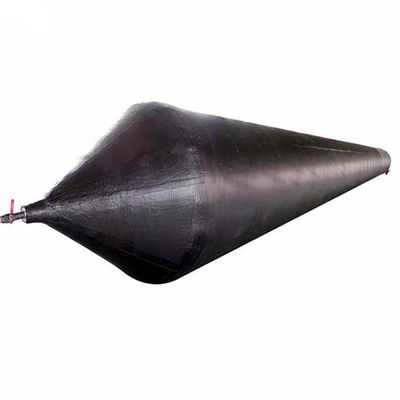
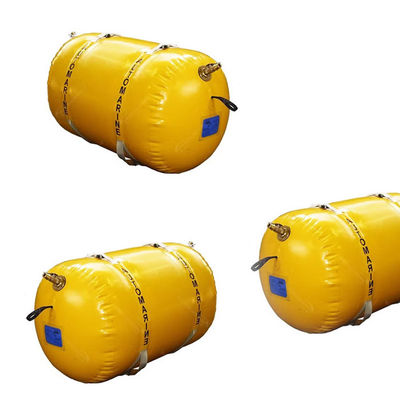
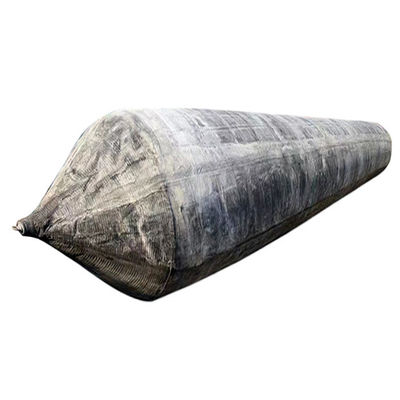
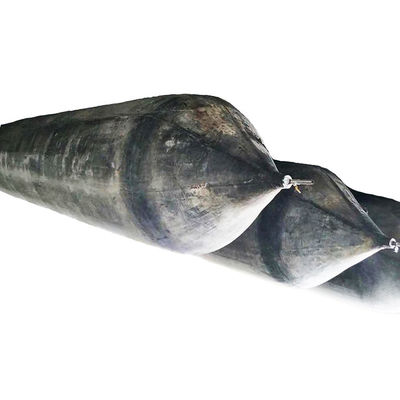
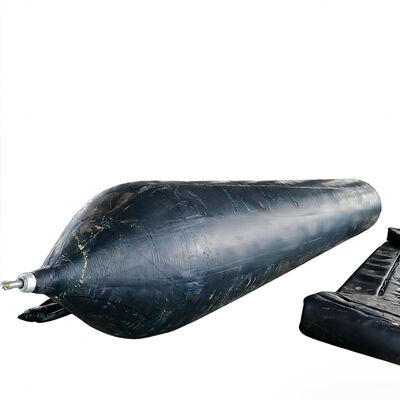
Inflatable Salvage Tubes are flexible marine lifting devices developed for underwater recovery, buoyancy assistance, and submerged structure handling. Manufactured from high-strength PVC-coated polyester fabric, they provide dependable buoyancy, controlled inflation, and adaptable installation for marine engineering operations. Their elongated cylindrical design allows the equipment to be positioned around different submerged structures while maintaining a practical balance between lifting performance and handling convenience.
The main body consists of reinforced polyester fabric coated with durable PVC material. This composite construction combines tensile strength, flexibility, water resistance, and abrasion protection. Reinforced seams and lifting connections are incorporated to support the structural requirements associated with repeated inflation, deflation, and underwater handling. The equipment can be manufactured in different lengths, diameters, fabric thicknesses, and buoyancy ratings according to project specifications.
During operation, compressed air is introduced into the internal chamber to create positive buoyancy. The resulting upward force can assist in raising submerged machinery, steel structures, pipelines, vessel components, and other underwater objects. By adjusting the quantity and distribution of air, operators can manage the buoyancy of individual units and coordinate multiple tubes within a lifting arrangement.
One important advantage of this equipment is its flexible configuration. Unlike rigid lifting frames, inflatable tubes can be transported in a deflated condition and installed in locations where conventional equipment may be difficult to position. Their lightweight construction reduces transportation and storage requirements, while their modular arrangement provides greater flexibility when handling loads of different dimensions.
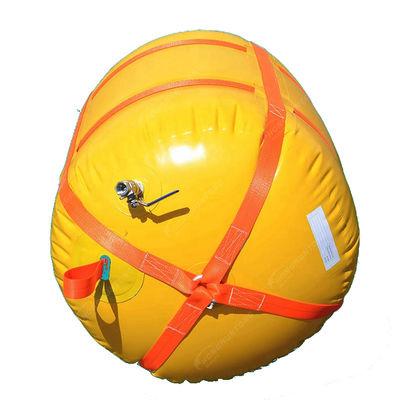
Product configurations can include reinforced lifting straps, connection eyes, inflation valves, air distribution fittings, and optional pressure control accessories. The selection of these components depends on the working depth, intended lifting arrangement, estimated submerged load, and operating environment. Customized manufacturing also allows customers to specify dimensions and connection layouts for particular engineering requirements.
Inflatable Salvage Tubes are suitable for underwater recovery, offshore maintenance, marine construction, submerged pipeline handling, and industrial salvage operations. Their combination of adjustable buoyancy, compact storage, and reusable construction makes them a practical component of professional marine lifting systems.
Case Study: Subsea Pipeline Recovery
A coastal offshore engineering company was commissioned to remove a damaged section of subsea steel pipeline from a shallow-water installation area. The pipeline section had a diameter of approximately 900 mm and a total recovered length of around 28 meters. Its estimated submerged lifting weight was approximately 12 tons, including attached marine deposits and supporting components.
The pipeline had become partially embedded in sediment following a period of seabed movement. The engineering team needed to raise the damaged section sufficiently to separate it from the surrounding material before transferring it to a designated recovery platform. Conventional lifting equipment alone presented difficulties because the pipeline was long, the seabed conditions were uneven, and excessive concentrated lifting force could cause additional deformation.
The contractor selected customized Inflatable Salvage Tubes to provide distributed buoyancy along the pipeline section. Hongruntong Marine manufactured the equipment using reinforced PVC-coated polyester fabric, with dimensions and lifting connections selected according to the contractor's proposed installation arrangement.
Before deployment, the engineering team evaluated the pipeline's dimensions, estimated submerged weight, seabed contact points, and intended recovery direction. A lifting configuration was developed to distribute buoyancy across several positions rather than concentrating the lifting force at a single point.
Divers installed the tubes at designated positions along the pipeline and secured the lifting connections. The team then introduced compressed air gradually, monitoring the pipeline's movement and the relative buoyancy of each unit. The controlled inflation process helped the pipeline rise progressively while reducing the risk of sudden rotation or excessive bending.
Once the pipeline section had sufficient clearance from the seabed, the contractor coordinated the buoyancy arrangement with its surface lifting equipment. The damaged section was gradually transferred to the recovery platform for inspection and replacement planning.
The use of multiple inflatable tubes improved the flexibility of the lifting arrangement and reduced the need for complex rigid support structures beneath the pipeline. It also allowed the engineering team to adapt the buoyancy distribution to the actual seabed conditions encountered during installation.
After completion, the equipment was deflated and recovered for inspection. The contractor reported that the compact storage characteristics and adjustable configuration were useful for future subsea maintenance activities. The project demonstrated the value of distributed buoyancy equipment when recovering elongated structures that require careful control of lifting forces.
Key Features
Optimized Cylindrical Structure for Distributed Buoyancy
The cylindrical structure is designed to provide practical buoyancy while allowing flexible positioning around submerged objects. Its elongated profile makes it suitable for installations where lifting forces need to be distributed along a particular direction or across several supporting points. Compared with compact lifting units, longer cylindrical configurations can provide a broader contact and installation arrangement when handling pipelines, structural members, and elongated marine equipment.
The dimensions of each tube can be adjusted according to the required displacement volume and available installation space. Diameter influences the buoyancy generated by the inflated body, while length provides another important parameter for determining total displacement. By adjusting these dimensions, the equipment can be configured for different lifting requirements without changing the basic operating principle.
The cylindrical profile also supports modular installation. Multiple units can be positioned in parallel or at separated locations to achieve a more balanced lifting arrangement. The appropriate configuration should be established through engineering calculations that consider the submerged weight, load geometry, working depth, and required safety factors.
Abrasion Resistance and Marine Environmental Protection
Marine recovery equipment is frequently exposed to demanding surface conditions. During deployment, Inflatable Salvage Tubes may come into contact with steel structures, concrete surfaces, pipelines, ropes, and seabed materials. The outer PVC coating provides a protective layer that helps resist moisture penetration, surface friction, and routine handling damage.
The reinforced polyester base fabric provides mechanical strength, while the coating contributes flexibility and protection against environmental exposure. Material specifications can be selected according to the expected operating conditions, including seawater exposure, handling frequency, and the possibility of contact with rough surfaces.
Additional reinforcement can be incorporated into selected areas where increased protection is required. This is particularly relevant for connection zones and sections likely to experience repeated contact with external equipment. Proper installation remains essential, and protective measures should be used when sharp edges or severe abrasion risks are present.
Secure Lifting Connections and Reinforcement Design
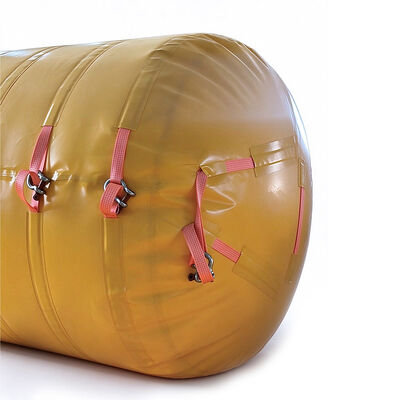
The lifting connection system is an important part of the equipment's overall structure. Reinforced webbing, lifting straps, and connection eyes can be incorporated to provide suitable attachment points for rigging arrangements. Their positions and configurations can be customized according to the shape of the submerged object and the planned lifting direction.
Connection areas are designed with additional reinforcement to help distribute localized forces across the surrounding fabric. This reduces excessive concentration of mechanical stress and supports the integrity of the equipment during normal operation. The specific webbing arrangement, reinforcement dimensions, and connection hardware should be selected according to the intended working loads.
For customized projects, Hongruntong Marine can review drawings and technical information to determine suitable connection layouts. Customers should provide available details regarding load distribution, rigging arrangements, working depth, and installation restrictions. Final lifting systems must be verified by qualified engineering personnel before use.
Controlled Inflation and Convenient Maintenance
Inflation valves allow compressed air to enter the internal chamber and generate the required buoyancy. Depending on the product configuration, optional fittings and pressure control components can be incorporated to support operational requirements. Controlled air supply is particularly important when multiple tubes are used together because different inflation levels can influence the balance and movement of the recovered object.
The equipment can be deflated after operations, making transportation and storage more convenient. Its flexible construction reduces the space required compared with many rigid lifting devices. This is beneficial for marine contractors who transport equipment between different ports, shipyards, and offshore facilities.
Routine maintenance includes freshwater rinsing, complete drying, visual inspection of seams and connections, and checking valves for abnormal conditions. Any damaged area should be evaluated and repaired using suitable procedures before the next deployment. Proper maintenance helps preserve material performance and supports repeated operational use.
Applications
Subsea Pipeline Installation and Recovery
Inflatable Salvage Tubes can provide temporary buoyancy during subsea pipeline installation, maintenance, repositioning, and recovery. Their elongated cylindrical structure allows multiple units to be arranged along pipeline sections to distribute lifting forces. This arrangement can help control pipeline elevation and reduce excessive localized loading during underwater handling.
Marine Salvage and Sunken Equipment Recovery
The equipment can assist in recovering submerged machinery, steel structures, anchors, propeller components, and other heavy marine objects. Its adjustable buoyancy allows engineering teams to develop lifting arrangements based on the dimensions and weight distribution of the recovered equipment. Multiple tubes can be used together when a single unit cannot provide the required displacement volume.
Offshore Construction and Submerged Structural Support
During offshore construction and maintenance, the tubes can provide temporary buoyancy for structural components, installation equipment, and underwater assemblies. Their lightweight construction and compact storage characteristics make them useful for projects with restricted deck space or transportation limitations. Customized dimensions and lifting connections support different installation requirements.
Why Choose Hongruntong Marine
Established Manufacturing Experience and Industry Understanding
Hongruntong Marine has more than 30 years of manufacturing experience in marine and industrial products. This background provides an understanding of the material, structural, and production considerations involved in manufacturing inflatable equipment for demanding marine applications.
Inflatable Salvage Tubes require coordinated control of several manufacturing elements. Fabric strength must correspond to the intended operating requirements, seams must maintain reliable airtight performance, and lifting connections must be reinforced according to the expected mechanical loading. Product consistency also depends on appropriate manufacturing procedures and inspection throughout production.
Hongruntong Marine approaches these requirements through established manufacturing experience and technical communication with customers. Rather than treating every order as a standard product, the company considers the specifications and operating conditions provided by the customer. This helps establish a clearer relationship between the intended application and the final product configuration.
For international marine contractors and distributors, manufacturing experience is also important for repeat procurement. Consistent specifications, production communication, and product documentation help customers manage purchasing requirements across different projects.
Flexible Customization for Different Engineering Requirements
Underwater lifting projects rarely have identical operating conditions. Differences in submerged weight, object geometry, installation depth, seabed conditions, and rigging arrangements can influence equipment selection. Hongruntong Marine supports customized manufacturing to accommodate these differences.
Customers can specify tube diameter, length, buoyancy rating, fabric thickness, lifting strap position, inflation valve configuration, and connection accessories. For specialized projects, technical drawings and installation information can be reviewed to clarify the required dimensions and structural arrangements.
Customization is particularly valuable when equipment must fit within restricted spaces or work around irregular structures. For example, a long pipeline section may require a different configuration from a compact steel machinery assembly. Adjustable dimensions and connection arrangements allow the product to be adapted to the available installation conditions.
The company also encourages customers to provide relevant engineering information before production. This may include estimated submerged weight, operating depth, water conditions, lifting direction, and expected load distribution. These details help support specification confirmation and reduce the possibility of selecting unsuitable dimensions or accessories.
Material Quality and Detailed Production Inspection
The performance of inflatable marine equipment is closely related to its material quality and manufacturing consistency. Hongruntong Marine uses PVC-coated polyester fabric for its Inflatable Salvage Tubes, with specifications selected according to the customer's requirements.
During manufacturing, attention is given to fabric condition, coating quality, cutting accuracy, seam construction, reinforcement installation, and accessory positioning. These elements contribute to the product's overall airtightness, structural integrity, and durability.
Inspection procedures can be arranged according to the agreed technical requirements. Relevant checks may include dimensional verification, visual inspection, seam examination, valve installation checks, and applicable inflation or airtightness testing. Specific testing conditions should be confirmed according to the product design and purchase agreement.
For customers purchasing several units, maintaining consistent material and manufacturing specifications is particularly important. Clear technical documentation and agreed inspection requirements provide a reference for production and future repeat orders.
Professional Service from Specification Confirmation to After-Sales Support
Hongruntong Marine understands that international procurement involves more than product manufacturing. Customers may require assistance with technical specifications, product drawings, accessories, packaging, shipping arrangements, and maintenance information.
Before production, our team can communicate with customers to clarify the required dimensions, buoyancy capacity, material specifications, and connection arrangements. This process helps identify important technical details before manufacturing begins.
During order processing, agreed specifications provide a reference for production and inspection. Customers can also discuss packaging and delivery requirements according to the destination and transportation method.
After delivery, Hongruntong Marine can provide product-related guidance covering routine inspection, freshwater cleaning, drying, storage, and maintenance. For distributors and long-term contractors, continued communication supports repeat orders and product configuration management. Our objective is to establish dependable cooperation through practical technical support and consistent manufacturing service.
Frequently Asked Questions
1. How do I select the correct diameter and length?
Selection depends on the required displacement volume, estimated submerged load, installation space, and lifting arrangement. The diameter and length determine the tube's theoretical buoyancy. Engineering calculations should also consider working depth, water density, load distribution, and safety factors.
2. Can several tubes be connected for one lifting operation?
Yes. Multiple units can be arranged at different positions to distribute buoyancy. The connection arrangement should be designed according to the object's geometry and expected load distribution. Each unit must be properly secured and monitored during inflation.
3. Are the tubes suitable for seawater environments?
Yes. PVC-coated polyester fabric provides water resistance and is suitable for normal marine exposure. After use, freshwater rinsing and proper drying are recommended to reduce salt accumulation and extend service life.
4. What accessories can be customized?
Optional configurations include reinforced lifting straps, lifting eyes, inflation valves, air fittings, pressure control components, and customized connection arrangements. The final configuration depends on the project requirements.
5. How can product quality be verified before shipment?
Customers can confirm inspection requirements before ordering. Depending on the agreed specifications, inspection may include dimensional checks, visual examination, seam inspection, accessory verification, and applicable inflation or airtightness tests. Available inspection records can be supplied with the order.


 Your message must be between 20-3,000 characters!