Product Overview
Inflatable Buoyancy Bag — High-Strength Seams, Stable Buoyancy, Long Service Life
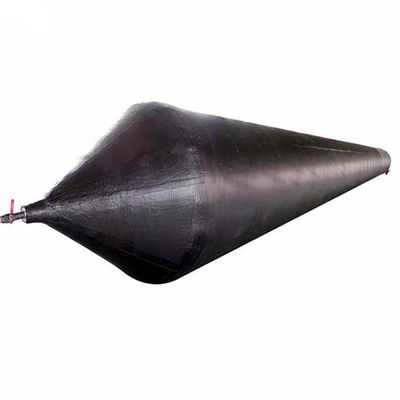
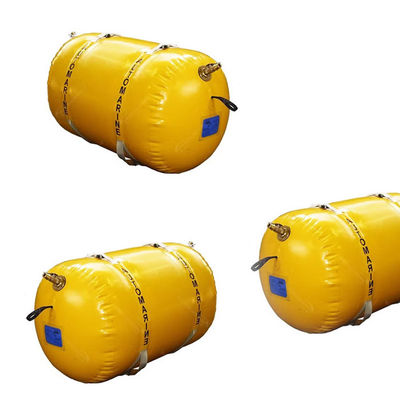
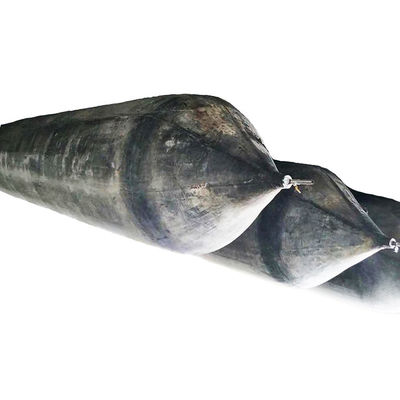
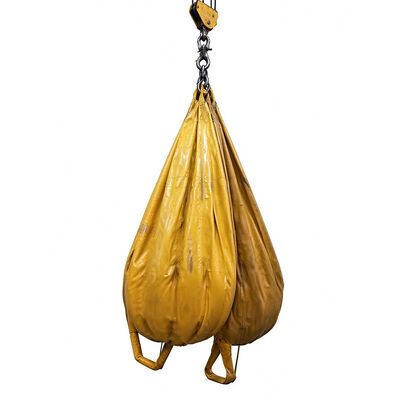
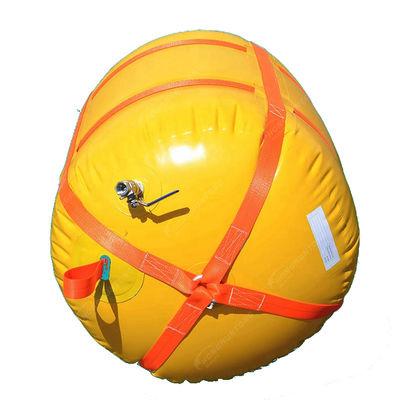
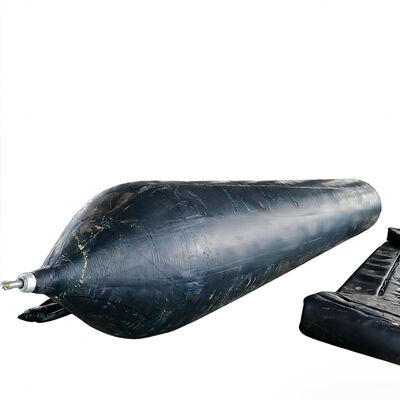
Inflatable Salvage Tubes are specialized underwater buoyancy products developed for marine recovery, submerged equipment lifting, and underwater engineering operations. Manufactured from high-strength PVC-coated polyester fabric, they provide flexible buoyancy support, reliable structural performance, and convenient handling in demanding marine environments. Their cylindrical inflatable construction allows different installation arrangements to accommodate various submerged objects and lifting requirements.
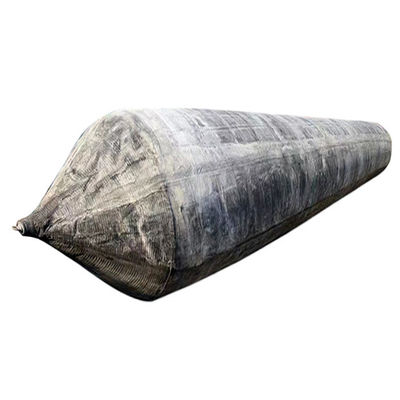
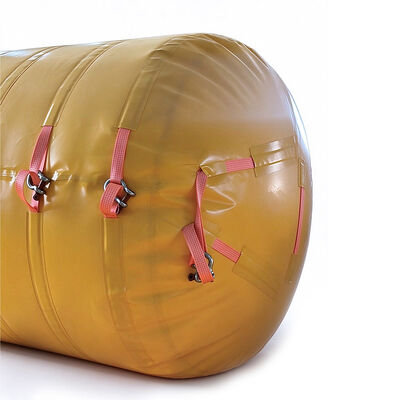
The main body is constructed from reinforced polyester fabric with a protective PVC coating. This material combination provides tensile strength, flexibility, water resistance, and abrasion protection. Reinforced seams, lifting straps, and connection components are incorporated to improve structural integrity during inflation and underwater deployment. Material thickness, fabric weight, tube dimensions, and buoyancy ratings can be customized according to the intended working conditions.
The equipment operates by introducing compressed air into its internal chamber. As the inflatable volume increases, the displaced water generates positive buoyancy, creating an upward force that assists in lifting submerged objects. By adjusting the air supply and positioning multiple tubes at different points, operators can develop a suitable buoyancy arrangement for equipment with irregular dimensions or uneven weight distribution.
One of the main advantages of Inflatable Salvage Tubes is their adaptability. They can be transported in a deflated condition, installed in relatively restricted underwater spaces, and configured according to different lifting requirements. Their lightweight construction reduces transportation and storage demands compared with many rigid lifting systems. The cylindrical design also supports flexible positioning around pipelines, steel structures, machinery, and vessel components.
Available specifications include different diameters, lengths, buoyancy capacities, fabric thicknesses, and lifting configurations. Optional accessories include reinforced lifting eyes, webbing straps, inflation valves, air fittings, and customized connection components. These configurations can be selected according to operating depth, submerged weight, rigging requirements, and project specifications.
Inflatable Salvage Tubes are suitable for shipyard maintenance, marine salvage, underwater construction, industrial equipment recovery, and offshore engineering. Their reusable construction and adjustable buoyancy characteristics provide a practical solution for contractors requiring flexible underwater lifting equipment.
Case Study: Floating Dock Recovery in a Confined Basin
A shipyard maintenance contractor was responsible for removing a submerged section of a damaged floating dock system from a maintenance basin. The damaged section consisted of a reinforced steel pontoon structure approximately 16 meters long, with an estimated submerged weight of 15 tons. Following a collision during dock repositioning, the pontoon had partially settled onto the basin floor and become trapped against an adjacent support structure.
The main challenge was the limited operating space inside the maintenance basin. The contractor needed to separate the damaged pontoon from the surrounding structure without causing additional deformation. Using a large floating crane was difficult because of the restricted basin access and the presence of other vessels undergoing maintenance.
The contractor selected Inflatable Salvage Tubes to provide temporary buoyancy during the recovery process. Hongruntong Marine supplied customized cylindrical units manufactured from reinforced PVC-coated polyester fabric. The products were configured with suitable lifting connections and inflation components according to the contractor's technical requirements.
Before installation, the shipyard engineering team inspected the pontoon and identified appropriate structural attachment points. The team evaluated the estimated submerged load, the contact areas between the pontoon and basin floor, and the available installation clearance. A distributed lifting arrangement was developed to provide balanced buoyancy and minimize concentrated loading on the damaged structure.
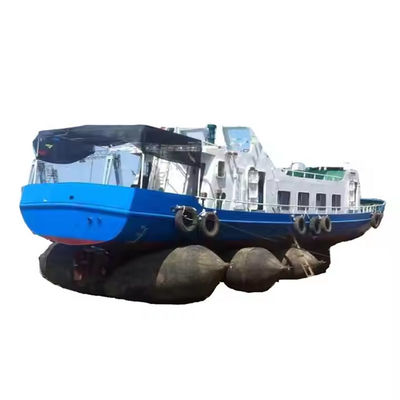
Divers positioned the tubes beneath and alongside designated sections of the pontoon. The lifting connections were secured using suitable rigging equipment, and compressed air was introduced progressively. During inflation, the team monitored the pontoon's movement and adjusted the buoyancy distribution to maintain a controlled lifting condition.
As sufficient buoyancy developed, the pontoon gradually separated from the basin floor. The recovery team then guided the structure away from the adjacent support system and moved it toward a designated maintenance position. Once the pontoon was stabilized, additional lifting equipment was used to complete the removal and transfer process.
The operation reduced the need for extensive crane positioning inside the restricted maintenance basin. The contractor also benefited from the flexibility of positioning individual tubes around different structural sections. This allowed the recovery arrangement to be adapted to the actual condition of the damaged pontoon.
After the project, the tubes were deflated, cleaned, inspected, and returned to storage. The shipyard considered the equipment suitable for future dock maintenance, submerged steel structure recovery, and other underwater repair operations. The project demonstrated the practical value of reusable inflatable buoyancy equipment in confined shipyard environments.
Key Features
Heavy-Duty Material Structure and Long-Term Durability
Inflatable Salvage Tubes are manufactured from high-strength PVC-coated polyester fabric designed for marine lifting applications. The reinforced polyester base provides the tensile strength required to maintain the inflatable body's structural integrity, while the PVC coating offers protection against water exposure, abrasion, and routine mechanical contact.
The material structure is selected according to the product's intended buoyancy capacity, dimensions, and working environment. Fabric thickness, coating characteristics, and reinforcement specifications can be adjusted to meet different customer requirements. This flexibility allows the equipment to accommodate different operational demands while maintaining practical handling characteristics.
During underwater deployment, the tubes may encounter steel surfaces, ropes, marine equipment, and seabed materials. The protective coating helps reduce routine surface damage, while the reinforced textile structure provides support against mechanical loading. Additional reinforcement can be considered for areas exposed to frequent contact or higher stress.
Material selection also influences the equipment's transportation, installation, and maintenance requirements. A suitable combination of strength and flexibility allows the product to be handled more conveniently while maintaining the structural properties needed for inflation and deflation. Proper cleaning, drying, inspection, and storage further support long-term product utilization.
Precision Manufacturing and Reinforced Airtight Seams
The quality of joining areas is essential to the performance of inflatable equipment. Inflatable Salvage Tubes incorporate reinforced seam construction designed to maintain airtight integrity under specified operating conditions. The manufacturing process requires accurate material preparation, consistent alignment, and appropriate joining procedures.
Seam quality is particularly important because the inflatable body experiences internal pressure during operation. Repeated inflation and deflation can also place additional demands on joining areas. Proper manufacturing and reinforcement help reduce localized weaknesses and support more consistent product performance.
The connection between the main body and reinforced accessories also requires attention. Lifting straps, attachment eyes, and other components must be integrated into the structure according to the intended mechanical loading. Additional fabric reinforcement can be incorporated around these areas to improve load distribution and reduce stress concentration.
Quality inspection can include visual examination of joining areas, dimensional verification, and applicable inflation or airtightness testing. Specific inspection procedures can be confirmed according to the agreed technical requirements. These controls help establish a consistent manufacturing standard for individual products and repeat orders.
Flexible Buoyancy Capacity and Modular Configuration
The equipment generates upward lifting force through the displacement of water by its inflated volume. Different diameters and lengths provide different theoretical buoyancy capacities, allowing customers to select suitable configurations for different submerged loads.
One major advantage is the ability to combine several tubes into a modular lifting arrangement. Rather than relying on a single lifting point, engineering teams can distribute buoyancy across multiple positions according to the geometry and weight distribution of the submerged object. This is particularly useful for long steel structures, floating dock components, pipelines, and submerged machinery.
The cylindrical design allows flexible installation in different orientations. Multiple units can be positioned beneath, alongside, or around suitable structural sections, depending on the available space and recovery requirements. Customized lifting straps and connection points can further improve compatibility with the intended rigging system.
Actual buoyancy selection must be based on engineering calculations. Factors such as submerged weight, water density, working depth, displacement volume, air compression, load distribution, and dynamic operating conditions must be considered. Appropriate safety factors and continuous monitoring are essential during lifting operations.
Convenient Transportation and Reusable Product Design
Inflatable Salvage Tubes are designed to be deflated after use, making them easier to transport and store than many rigid lifting structures. Their flexible construction reduces the space required during shipment and allows marine contractors to maintain a more compact equipment inventory.
The lightweight deflated units can be transported between shipyards, ports, maintenance basins, and offshore facilities. During installation, the tubes can be positioned around suitable lifting areas before inflation. This arrangement provides flexibility when working in restricted spaces where rigid equipment may be difficult to maneuver.
After each operation, the equipment should be deflated carefully and rinsed with fresh water to remove salt and surface contamination. The fabric, seams, valves, lifting straps, and connection components should be inspected for visible damage. Complete drying before storage is recommended to maintain the material condition.
For repeated projects, a regular inspection and maintenance schedule helps identify potential problems before deployment. Any damaged area should be evaluated and repaired using appropriate procedures. With proper operation and maintenance, the equipment can support multiple marine engineering and recovery projects.
Applications
Shipyard Maintenance and Floating Dock Recovery
Inflatable Salvage Tubes can support the recovery of damaged floating docks, submerged pontoon sections, steel platforms, and other shipyard structures. Their flexible configuration allows them to be installed around suitable lifting points in restricted maintenance basins. Multiple units can provide distributed buoyancy to assist with controlled separation and recovery.
Marine Machinery and Heavy Equipment Lifting
The tubes can be used for underwater recovery of submerged motors, pumps, propeller assemblies, anchors, steel components, and industrial machinery. Their customizable dimensions and connection arrangements help accommodate different equipment geometries. Controlled buoyancy can reduce dependence on conventional lifting equipment during the initial recovery stage.
Underwater Infrastructure and Construction Projects
In marine construction and infrastructure maintenance, Inflatable Salvage Tubes can provide temporary buoyancy for submerged structural components, installation equipment, and underwater assemblies. Their modular design allows engineering teams to develop different lifting configurations according to project requirements, while their compact storage characteristics simplify equipment transportation and mobilization.
Why Choose Hongruntong Marine
More Than 30 Years of Manufacturing Experience
Hongruntong Marine has more than 30 years of manufacturing experience in marine and industrial products. This experience provides a solid foundation for understanding the production requirements of inflatable equipment and the technical conditions associated with marine engineering applications.
Manufacturing Inflatable Salvage Tubes requires coordination between material selection, structural design, seam construction, reinforcement, and accessory installation. Each component contributes to the overall performance of the finished product. Inadequate material selection or inconsistent manufacturing can affect durability, airtightness, and operational reliability.
Our manufacturing experience supports the evaluation of these requirements during product development and order processing. We pay attention to customer specifications and the relationship between product construction and intended operating conditions. This helps ensure that important details are considered before production begins.
For customers purchasing equipment for repeated projects, manufacturing consistency is equally important. Clear specifications and production communication provide a reference for repeat orders, helping marine contractors and distributors maintain consistent product configurations and procurement standards.
Customized Specifications and Flexible Production Capability
Different marine projects require different buoyancy capacities, dimensions, and connection configurations. Hongruntong Marine supports customized production to accommodate these requirements rather than limiting customers to a single fixed specification.
Available customization includes tube diameter, length, fabric thickness, buoyancy capacity, lifting strap arrangement, valve position, and accessory selection. Customers can also discuss specialized connection layouts according to their existing rigging systems and installation methods.
For project-specific orders, technical drawings, photographs, and written specifications can be submitted for review. Our team can help clarify the required product dimensions, material characteristics, and accessory arrangements. This is particularly useful for customers handling irregular structures or operating in confined underwater environments.
Customization also allows customers to consider transportation and storage requirements during product selection. For example, a contractor managing multiple shipyard projects may need different tube lengths and capacities while maintaining a consistent accessory configuration. Such requirements can be discussed before production to support more efficient equipment management.
Strict Attention to Material and Production Quality
Hongruntong Marine recognizes that material consistency and manufacturing quality directly influence the service performance of marine inflatable products. PVC-coated polyester fabric is selected according to the required strength, flexibility, and environmental resistance.
Production quality management covers material inspection, cutting accuracy, seam construction, reinforcement installation, and accessory assembly. Particular attention is given to joining areas, lifting connections, and inflation components because these sections contribute significantly to the structural and functional performance of the equipment.
Finished products can undergo inspections according to agreed technical requirements. These may include dimensional verification, visual inspection, seam examination, valve installation checks, and applicable inflation or airtightness testing.
For customers with specific procurement procedures, inspection requirements and available documentation can be discussed before order confirmation. This allows the manufacturing and inspection arrangements to be aligned with the customer's purchasing specifications.
A consistent production and inspection approach also supports long-term cooperation. Customers who require multiple units can establish agreed product specifications for future orders, helping maintain consistency across equipment inventories.
Comprehensive Customer Communication and After-Sales Support
Hongruntong Marine values clear communication throughout the international procurement process. Marine contractors often need to coordinate technical requirements, purchasing schedules, transportation, and equipment preparation. Our team aims to make these stages easier through practical product information and responsive communication.
Before production, customers can discuss dimensions, buoyancy requirements, fabric specifications, lifting connections, and optional accessories. For customized products, drawings and technical information can be reviewed to confirm the intended configuration. This helps reduce specification errors and supports more accurate order preparation.
During production, agreed requirements provide a reference for manufacturing and inspection. Packaging and transportation details can also be discussed according to the order quantity, destination, and shipping arrangements.
After delivery, Hongruntong Marine can provide product-related guidance covering inflation precautions, cleaning, inspection, storage, and routine maintenance. Customers can also contact our team when planning repeat purchases or discussing adjustments for new projects.
We focus on building long-term cooperation through manufacturing experience, technical communication, and dependable service. Our goal is to provide marine contractors and distributors with products that meet their agreed specifications and support their ongoing operational requirements.
Frequently Asked Questions
1. What factors determine the buoyancy of an Inflatable Salvage Tube?
Buoyancy primarily depends on the inflated displacement volume and water density. Tube diameter and length determine the theoretical displacement. Working depth, air compression, submerged weight, rigging configuration, and safety factors must also be considered when calculating usable lifting capacity.
2. Can the tubes be customized for floating dock recovery?
Yes. Dimensions, buoyancy capacity, fabric specifications, lifting connections, and valve arrangements can be customized according to the dock structure and recovery requirements. Customers should provide drawings, estimated submerged weight, and available installation space for specification evaluation.
3. How do I prevent damage during installation?
Avoid dragging the tubes across sharp surfaces or allowing them to contact unprotected steel edges. Use suitable protective materials where necessary and ensure that lifting straps and connections are correctly positioned before inflation. Installation should follow an approved lifting plan.
4. Can the products be stored for long periods?
Yes. After deflation, freshwater cleaning, and complete drying, the tubes can be stored in a clean, dry environment. Avoid direct sunlight, excessive heat, sharp objects, and heavy loads that may cause permanent deformation. Periodic inspection is recommended during extended storage.
5. Can customers request inspection reports before shipment?
Yes. Inspection requirements can be agreed during the purchasing process. Depending on the product specification, available documentation may include dimensional inspection, visual examination, material information, and applicable inflation or airtightness test records. Third-party inspection requirements should be confirmed separately.


 Your message must be between 20-3,000 characters!