Product Overview
Subsea Lift Bag — Lightweight Design, High Buoyancy, Abrasion-Resistant Structure
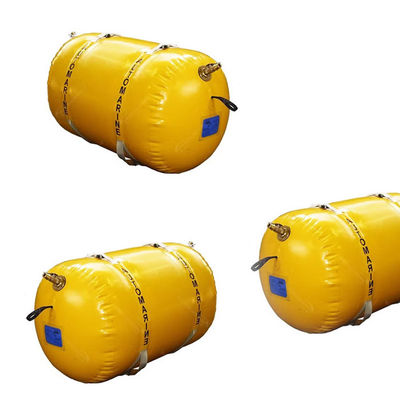
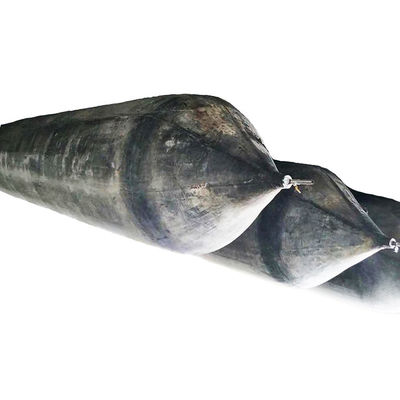
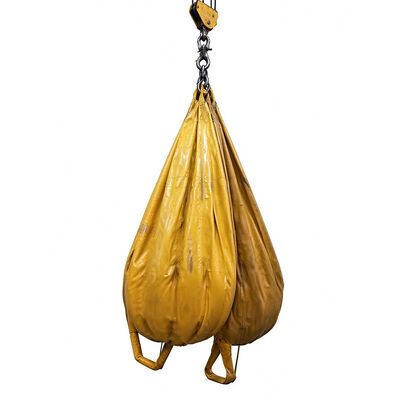
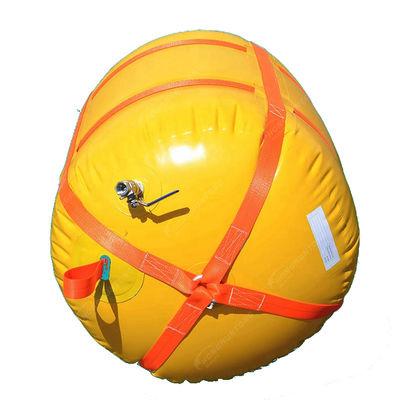
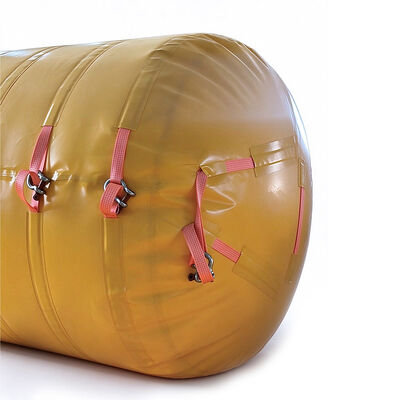
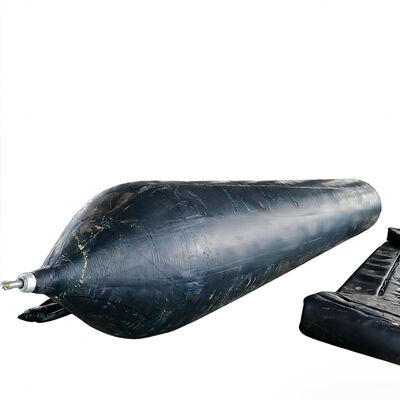
Inflatable Salvage Tubes are professional marine buoyancy devices engineered to support underwater lifting, submerged object recovery, and complex marine engineering operations. Built around a reinforced cylindrical structure and high-strength PVC-coated polyester fabric, they deliver dependable buoyancy, flexible installation, and convenient handling under demanding working conditions.
The product body is manufactured from high-tenacity polyester fabric coated with durable PVC material. This composite structure combines mechanical strength, flexibility, water resistance, and abrasion protection. Reinforced seams and lifting connection areas improve structural integrity during inflation, deflation, transportation, and underwater deployment. Material thickness, fabric weight, tube dimensions, and buoyancy capacity can all be selected according to the intended application.
The operating principle is based on controlled air displacement. Compressed air is introduced into the internal chamber, creating positive buoyancy that generates an upward lifting force underwater. The amount of buoyancy depends on the effective displacement volume and must be calculated according to the submerged weight, operating depth, water density, and lifting configuration. Multiple tubes can be positioned at different points to distribute the lifting force and improve the stability of irregularly shaped objects.
Inflatable Salvage Tubes are particularly useful when underwater equipment needs to be recovered in locations where conventional lifting machinery has limited access. Their flexible construction allows them to be transported in a deflated condition and positioned by divers or suitable installation equipment. Compared with rigid lifting structures, they require less storage space and can be adapted to different recovery arrangements.
Available configurations include different diameters, lengths, buoyancy ratings, lifting straps, reinforced connection eyes, inflation valves, and optional air control accessories. Special dimensions and connection layouts can be developed according to customer drawings and engineering specifications.
These products are suitable for marine salvage, offshore construction, ship maintenance, underwater infrastructure recovery, and submerged industrial equipment handling. Their reusable construction and flexible buoyancy arrangement help engineering contractors improve equipment utilization and organize underwater lifting operations more efficiently.
Case Study: Fishing Vessel Recovery
A marine salvage company was assigned to recover a partially submerged fishing vessel following a severe hull collision near a commercial fishing harbor. The vessel was approximately 32 meters long, with a displacement of around 180 tons. Although the vessel remained partially supported by the seabed, water had entered several compartments, making conventional towing and direct surface lifting difficult.
The salvage team identified several technical challenges. The vessel had an uneven underwater weight distribution, the damaged hull structure required careful handling, and the surrounding harbor area limited the use of large floating cranes. The recovery operation needed a flexible buoyancy arrangement that could support the vessel without applying excessive concentrated force to damaged structural sections.
The contractor contacted Hongruntong Marine for a customized Inflatable Salvage Tubes solution. Following preliminary technical communication, a configuration was developed using multiple cylindrical units manufactured from reinforced PVC-coated polyester fabric. Reinforced lifting straps and suitable inflation fittings were incorporated to meet the planned installation requirements.
Before deployment, the salvage engineers inspected the vessel's hull condition and identified structurally appropriate attachment positions. They also assessed the estimated submerged weight, water depth, and intended recovery direction. The buoyancy arrangement was designed to provide distributed lifting support while allowing the team to adjust the inflation of individual units.
Divers installed the tubes around designated sections of the vessel. Each unit was secured using suitable rigging components, and compressed air was introduced gradually. The salvage team monitored the hull position, lifting connections, and air distribution throughout the operation.
As buoyancy increased, the vessel began to rise progressively from the seabed. The team adjusted the inflation sequence to reduce excessive movement and maintain a stable recovery position. Once sufficient clearance had been achieved, the vessel was guided toward a controlled recovery area where additional pumping and inspection work could be performed.
The inflatable equipment provided greater positioning flexibility than a rigid lifting arrangement and helped reduce the need for extensive crane mobilization during the initial recovery stage. The contractor also benefited from the ability to recover, deflate, and reuse the equipment after the operation.
Following the project, the customer recognized the importance of flexible buoyancy equipment for salvage operations involving damaged vessels and uneven underwater loads. The tubes were retained for subsequent marine recovery projects, demonstrating their value as reusable equipment within the contractor's salvage inventory.
Specifications
| Product Name |
Inflatable Salvage Tubes |
| Raw Material |
PVC Coating Fabric |
| Type |
Cylindrical |
| Size |
500 kg, 1000 kg, 5000 kg, 10000 kg, etc. |
| Thickness |
0.4–1.2 mm, or as requested |
| Color |
Yellow, Blue, Black, etc. |
| Density |
0.33–0.9 g/cm³ |
| Safety Factor |
7:1 |
| Tolerances |
± 0.03 on densities; ± 0.2 mm on thickness; ± 0 to +3 mm on width; ± 0 to +3 mm on length |
Cylindrical Model Range
| Model |
Buoyancy [kg] |
Buoyancy [lbs] |
Diameter [mm] |
Length [mm] |
Approx. Weight [kg] |
| HM-IST1 |
200 |
441 |
500 |
1,000 |
5 |
| HM-IST02 |
500 |
1,103 |
800 |
1,000 |
8 |
| HM-IST03 |
1,000 |
2,205 |
1,000 |
1,500 |
11 |
| HM-IST04 |
2,000 |
4,410 |
1,300 |
1,500 |
20 |
| HM-IST05 |
4,000 |
8,820 |
1,600 |
2,000 |
50 |
| HM-IST06 |
6,000 |
13,230 |
2,000 |
2,000 |
66 |
| HM-IST07 |
8,000 |
17,640 |
2,000 |
2,600 |
75 |
| HM-IST08 |
10,000 |
22,050 |
2,400 |
2,400 |
80 |
| HM-IST09 |
15,000 |
33,075 |
2,600 |
3,000 |
110 |
| HM-IST10 |
20,000 |
44,100 |
3,000 |
3,000 |
130 |
| HM-IST11 |
30,000 |
66,150 |
3,000 |
4,500 |
170 |
| HM-IST12 |
50,000 |
110,250 |
4,000 |
4,000 |
220 |
| HM-IST13 |
70,000 |
154,350 |
4,000 |
5,700 |
310 |
| HM-IST14 |
100,000 |
220,500 |
4,000 |
8,000 |
450 |
| HM-IST15 |
150,000 |
330,750 |
5,000 |
8,000 |
660 |
| HM-IST16 |
200,000 |
441,000 |
5,000 |
10,000 |
900 |
Note: Other sizes can be customized according to your requirements.
Key Features
Reinforced Fabric Construction for Demanding Marine Conditions
Inflatable Salvage Tubes use high-strength PVC-coated polyester fabric to provide the mechanical properties required for underwater lifting operations. The polyester reinforcement carries tensile loads, while the PVC coating provides a protective surface against moisture, abrasion, and routine marine handling. This combination helps maintain flexibility without compromising the structural requirements of the inflatable body.
Material selection is based on the intended buoyancy capacity, tube dimensions, and expected operating conditions. Different fabric thicknesses and reinforcement specifications can be considered for products with different load requirements. This allows the equipment to be manufactured for a range of marine engineering projects rather than relying on a single material configuration.
The outer coating also helps protect the textile base from direct contact with seawater and common surface contaminants. During deployment, the tubes may encounter ropes, steel structures, underwater equipment, and other external materials. A suitable coating and reinforced construction help reduce routine surface wear.
For customers with specialized requirements, fabric specifications can be discussed before production. Relevant factors include tensile strength, coating characteristics, flexibility, expected handling frequency, and environmental exposure. Selecting appropriate materials helps establish a balance between durability, product weight, and operational performance.
Advanced Airtight Seam Construction
Airtight performance is essential for inflatable buoyancy equipment because the internal chamber must retain air during the lifting process. Inflatable Salvage Tubes incorporate carefully constructed joining areas to maintain the integrity of the inflatable body under specified operating conditions.
Seam manufacturing requires control over material preparation, alignment, joining quality, and reinforcement. Uneven joining or inadequate reinforcement can create localized weaknesses, particularly when the product is subjected to repeated inflation and deflation. Therefore, seam construction is treated as an important part of the manufacturing process rather than simply a finishing operation.
Additional reinforcement can be applied to selected areas according to tube dimensions and structural requirements. The objective is to maintain consistent construction and reduce the likelihood of premature wear during normal operation.
Inspection can include visual examination of joining areas and applicable airtightness or inflation testing according to agreed production specifications. Customers requiring particular inspection procedures can communicate their requirements before manufacturing so that appropriate quality checks can be arranged.
Stable Lifting Performance and Flexible Buoyancy Configuration
The equipment generates buoyancy through the displacement of water by its inflated volume. This operating principle allows engineering teams to develop different lifting arrangements according to the submerged object's dimensions, weight distribution, and recovery requirements.
Multiple tubes can be installed at separate positions to provide distributed buoyancy. This is particularly useful when recovering damaged vessels, heavy machinery, and irregular steel structures that cannot be lifted safely from a single attachment point. Proper positioning helps reduce concentrated forces and supports better control of the recovered object.
The cylindrical design provides flexibility in installation direction and spacing. Different lengths and diameters can be selected according to the available underwater space and required displacement volume. Customized lifting straps and connection points further improve compatibility with different rigging configurations.
Actual buoyancy must be calculated for the intended working depth and environmental conditions. The engineering design should account for submerged weight, water density, available displacement volume, air pressure changes, dynamic effects, and suitable safety factors. Controlled inflation and continuous monitoring are essential throughout lifting operations.
Reusable Design with Practical Maintenance Requirements
Inflatable Salvage Tubes are designed to be deflated and recovered after use, allowing them to be transported and stored more conveniently than many rigid lifting devices. This feature is valuable for marine contractors who regularly move equipment between shipyards, ports, offshore sites, and salvage locations.
The flexible body can be folded or rolled according to the manufacturer's storage instructions after the internal air has been released. Proper handling during deflation helps reduce unnecessary stress on the fabric, seams, and connection components.
Routine maintenance should include freshwater cleaning, complete drying, visual inspection, and examination of the inflation valves and lifting accessories. Particular attention should be paid to cuts, surface abrasion, seam separation, and damaged reinforcement areas.
Before subsequent deployment, the equipment should be checked to confirm that it remains suitable for the intended working conditions. Damaged products should not be returned to service until they have been properly evaluated and repaired. With appropriate inspection and maintenance, the equipment can support repeated marine engineering operations.
Applications
Sunken Vessel and Marine Salvage Operations
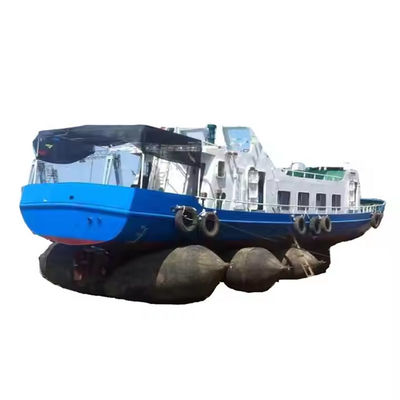
Inflatable Salvage Tubes can provide buoyancy assistance during the recovery of sunken or partially submerged vessels. Multiple units can be arranged around suitable structural positions to support gradual lifting and improve load distribution. They are particularly useful when vessel access is restricted or when damaged hull structures require carefully controlled recovery procedures.
Underwater Industrial Machinery Recovery
The equipment can be used to recover submerged pumps, motors, steel assemblies, construction machinery, and other industrial components. Its flexible cylindrical design allows installation around different equipment configurations. Customized dimensions and lifting connections help accommodate different load geometries and recovery arrangements.
Offshore Infrastructure Maintenance
Offshore contractors can use Inflatable Salvage Tubes for temporary buoyancy support during the handling, repositioning, and recovery of underwater structural components. Applications may include subsea equipment maintenance, steel structure removal, pipeline support, and installation operations. Their compact storage characteristics also help simplify equipment transportation and mobilization.
Why Choose Hongruntong Marine
Over 30 Years of Manufacturing Knowledge
Hongruntong Marine has more than 30 years of manufacturing experience, providing a strong foundation in marine product development, material processing, and industrial production. Long-term experience helps the company understand the importance of structural reliability, material consistency, and manufacturing control in products used under demanding marine conditions.
Inflatable Salvage Tubes require careful consideration of several technical factors. The fabric must provide appropriate tensile strength and flexibility, the coating must protect the base material, and the seams must maintain airtight performance under specified conditions. Lifting connections also require suitable reinforcement because they transfer mechanical forces between the inflatable body and external rigging equipment.
Our manufacturing background supports communication across these different technical requirements. Product specifications can be reviewed according to the customer's intended use, allowing important details to be clarified before production. This is particularly valuable for international contractors who need equipment with clearly defined dimensions, material specifications, and accessory configurations.
For repeat customers, manufacturing experience also contributes to consistent product planning. Agreed technical specifications can be used as a reference for subsequent orders, helping distributors and engineering contractors maintain more organized equipment inventories.
Engineering-Oriented Customization and Technical Consultation
Hongruntong Marine understands that different salvage projects involve different structural and operational conditions. A tube intended for recovering a small machinery assembly may require a different configuration from equipment used for a large submerged vessel or offshore structure.
Customization can cover diameter, length, buoyancy capacity, fabric specification, reinforcement arrangement, lifting strap positions, valve locations, and connection accessories. Customers can provide technical drawings, photographs, or written specifications to support product evaluation.
Our team can assist in reviewing the information required for product configuration, including estimated submerged weight, working depth, installation space, lifting direction, and expected load distribution. These details help establish the basic product requirements and reduce the possibility of misunderstandings during procurement.
For projects requiring multiple units, the configuration can be discussed as part of an overall equipment arrangement. Customers should have the final lifting system evaluated by qualified engineering personnel to confirm buoyancy calculations, rigging strength, and operational safety factors.
Material Control and Reliable Manufacturing Processes
Material quality is a major factor in the service performance of inflatable marine products. Hongruntong Marine uses PVC-coated polyester fabric selected according to the required product specifications. Attention is given to fabric strength, coating quality, reinforcement materials, and compatibility between different components.
During production, manufacturing controls focus on material preparation, accurate cutting, seam construction, reinforcement installation, and accessory positioning. These processes contribute to the consistency of the finished product and help maintain the intended structural characteristics.
Quality inspection can be arranged according to the agreed technical requirements. Typical inspection items may include product dimensions, appearance, seam condition, inflation valve installation, and applicable airtightness or pressure testing. Where customers require additional inspection records or documentation, these requirements can be discussed before order confirmation.
Consistent manufacturing is especially important for customers purchasing multiple tubes for the same project. Standardized product specifications and agreed inspection procedures provide a useful reference for managing equipment compatibility and future replacement orders.
International Order Support and Long-Term Cooperation
Marine equipment procurement often involves coordination among manufacturers, distributors, contractors, engineering teams, and shipping companies. Hongruntong Marine places importance on clear communication throughout the purchasing process.
Before production, customers can discuss product dimensions, material requirements, buoyancy ratings, and accessories with our team. This helps clarify technical expectations and provides a basis for confirming the order specifications. During manufacturing, agreed requirements serve as the reference for production and inspection.
Packaging and transportation arrangements can be discussed according to the destination, order quantity, and shipping method. For international customers, clear product identification and appropriate packaging are important for handling and inventory management.
After delivery, Hongruntong Marine can provide guidance on product inspection, cleaning, drying, storage, and routine maintenance. Customers can also contact our team regarding technical questions and repeat procurement requirements. We aim to support long-term business relationships through consistent manufacturing, practical communication, and responsive product service.
Frequently Asked Questions
1. What is the maximum buoyancy capacity of an Inflatable Salvage Tube?
The buoyancy capacity depends on the inflated displacement volume. Different diameters and lengths provide different theoretical buoyancy values. The actual usable lifting capacity must be determined through calculations considering water density, working depth, submerged weight, rigging arrangements, and appropriate safety factors.
2. Can the product be manufactured for deepwater operations?
Customized configurations can be evaluated according to the intended working depth. Material specifications, operating pressure, valves, and structural design must be considered together. Customers should provide the planned operating depth and technical requirements before ordering.
3. What prevents air leakage during operation?
The inflatable body uses reinforced PVC-coated polyester fabric and carefully constructed airtight seams. Applicable inflation and airtightness inspections can be arranged according to the agreed product specifications. Regular inspection before deployment is also recommended.
4. Can customers specify the lifting strap positions?
Yes. Lifting strap positions and connection arrangements can be customized according to the intended installation method. Technical drawings or photographs are helpful when confirming the required configuration.
5. What maintenance is required after underwater use?
The tubes should be deflated carefully, rinsed with fresh water, dried completely, and inspected for cuts, abrasion, seam damage, and valve problems. They should be stored in a clean, dry environment away from sharp objects and excessive heat.


 Your message must be between 20-3,000 characters!