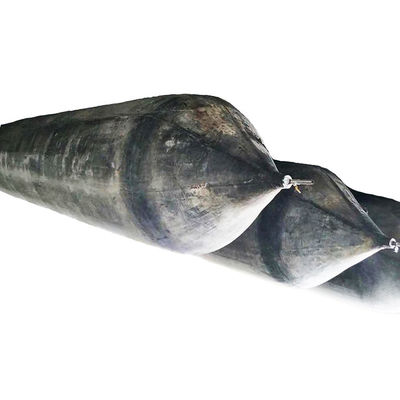
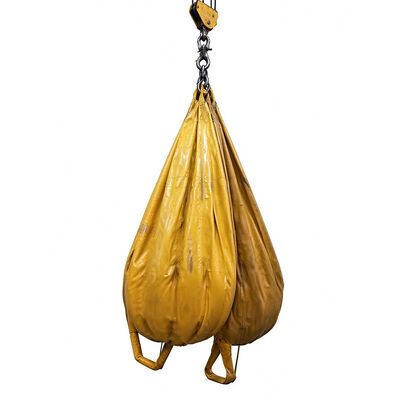
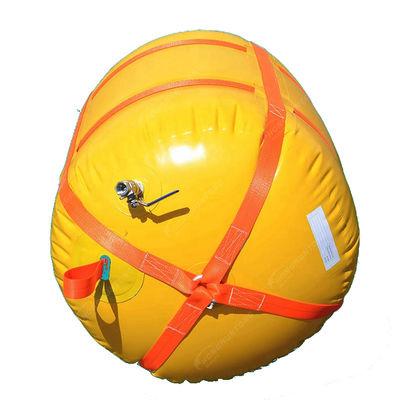
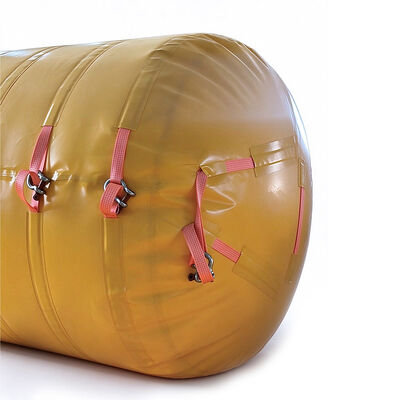
Inflatable Salvage Tubes — Heavy Duty Fabric, Leak Resistant, Durable Performance
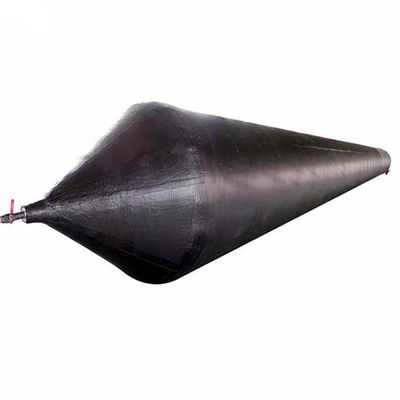
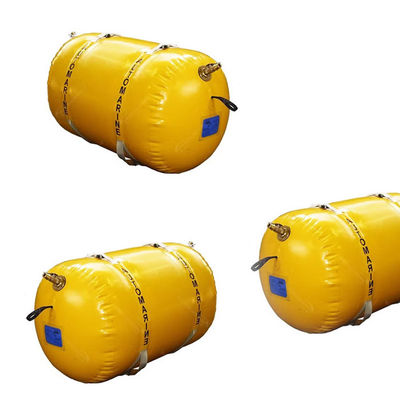
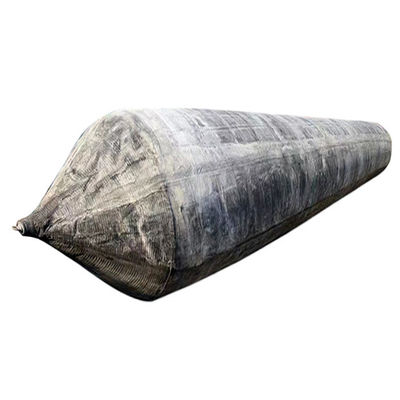
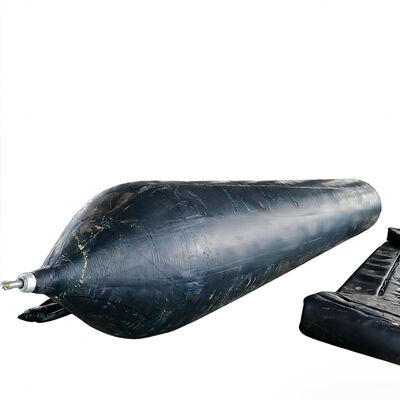
Inflatable Salvage Tubes are specialized marine buoyancy products engineered for underwater lifting, submerged structure recovery, and offshore engineering operations. Designed with a flexible cylindrical body and reinforced construction, they provide controlled buoyancy and adaptable lifting support for marine contractors, salvage companies, and underwater engineering teams.
The product is manufactured from high-strength PVC-coated polyester fabric, combining a reinforced textile base with a protective polymer coating. This material structure provides tensile strength, flexibility, water resistance, and abrasion protection. Reinforced seams, lifting straps, and connection components contribute to structural reliability during inflation, installation, and underwater handling.
The equipment generates positive buoyancy through controlled air inflation. When compressed air enters the internal chamber, the displaced water volume produces an upward force that can assist in raising submerged objects. Depending on the project requirements, multiple tubes can be installed at different positions to distribute buoyancy and support more balanced lifting arrangements.
Inflatable Salvage Tubes are available in different lengths, diameters, and buoyancy capacities. Their specifications can be customized according to submerged load, operating depth, available installation space, and expected lifting conditions. Optional components include reinforced lifting eyes, webbing straps, inflation valves, air fittings, and pressure control accessories.
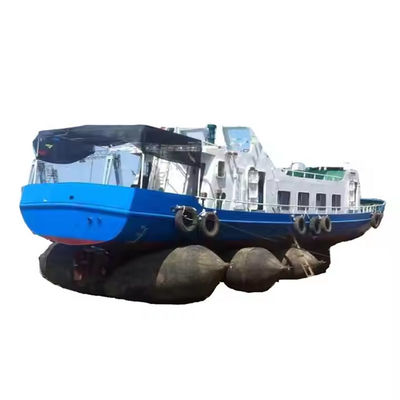
A major advantage of the inflatable structure is its transportation and installation flexibility. The equipment can be transported in a deflated condition, reducing storage requirements and simplifying mobilization. Once deployed, its flexible body allows positioning around structures that may be difficult to access using rigid lifting equipment.
The product is suitable for offshore construction, underwater infrastructure recovery, marine salvage, shipyard maintenance, and submerged industrial equipment handling. With suitable engineering calculations, operational monitoring, and regular maintenance, Inflatable Salvage Tubes provide a reusable buoyancy solution for a wide range of marine projects.
Case Study: Subsea Cable Protection Assembly Recovery
An offshore wind farm maintenance contractor needed to recover a damaged subsea cable protection assembly near a coastal wind turbine installation. The assembly consisted of a steel protective structure approximately 14 meters long, with an estimated submerged weight of 9 tons. It had become displaced during previous seabed maintenance work and was resting at an uneven angle on the seabed.
The recovery operation presented several difficulties. The steel assembly was located close to the turbine foundation, leaving limited space for divers and installation equipment. Its irregular structure also created uncertainty regarding the distribution of lifting forces. The contractor needed a buoyancy system that could be positioned at multiple points without requiring a large rigid lifting frame.
After reviewing the project requirements, Hongruntong Marine supplied customized Inflatable Salvage Tubes made from reinforced PVC-coated polyester fabric. The equipment was manufactured with specified dimensions, reinforced lifting connections, and suitable inflation components. The configuration was selected to support the contractor's planned distributed lifting arrangement.
Before deployment, the offshore engineering team inspected the steel assembly and identified suitable structural attachment positions. The team evaluated the estimated submerged load, installation depth, available clearance, and planned recovery direction. A lifting arrangement was then established to provide support at several points along the structure.
Divers positioned the inflatable tubes around the designated sections and connected them using suitable rigging equipment. Compressed air was introduced progressively, allowing the team to monitor the assembly's response and adjust buoyancy distribution. Particular attention was given to avoiding excessive rotation and preventing concentrated loads on the steel structure.
As the tubes generated sufficient buoyancy, the protective assembly gradually separated from the seabed. The engineering team maintained communication between the underwater divers and the surface control team throughout the lifting process. Once the assembly reached the required clearance, it was guided toward a designated recovery position and transferred to a support vessel.
The operation demonstrated the flexibility of inflatable buoyancy equipment in offshore maintenance work. The contractor was able to use a modular arrangement instead of relying entirely on a large rigid lifting structure. This helped simplify installation around the turbine foundation and improved the adaptability of the recovery procedure.
After completion, the tubes were deflated, inspected, and prepared for transportation. The customer valued their compact storage characteristics and considered the equipment suitable for future offshore maintenance and subsea component recovery projects. The successful recovery also provided a practical reference for planning similar operations at other wind farm locations.
Specifications
| Product Name |
Inflatable Salvage Tubes |
| Raw Material |
PVC Coating Fabric |
| Type |
Cylindrical |
| Size |
500kg, 1000kg, 5000kg, 10000kg, etc. |
| Thickness |
0.4–1.2 mm, or as requested |
| Color |
Yellow, Blue, Black, etc. |
| Density |
0.33–0.9 g/cm³ |
| Safety Factor |
7:1 |
| Tolerances |
± 0.03 on densities; ± 0.2 mm on thickness; ± 0 to +3 mm on width; ± 0 to +3 mm on length |
Cylindrical Model Range
| Model |
Buoyancy [kg] |
Buoyancy [lbs] |
Diameter [mm] |
Length [mm] |
Approx. Weight [kg] |
| HM-IST1 |
200 |
441 |
500 |
1,000 |
5 |
| HM-IST02 |
500 |
1,103 |
800 |
1,000 |
8 |
| HM-IST03 |
1,000 |
2,205 |
1,000 |
1,500 |
11 |
| HM-IST04 |
2,000 |
4,410 |
1,300 |
1,500 |
20 |
| HM-IST05 |
4,000 |
8,820 |
1,600 |
2,000 |
50 |
| HM-IST06 |
6,000 |
13,230 |
2,000 |
2,000 |
66 |
| HM-IST07 |
8,000 |
17,640 |
2,000 |
2,600 |
75 |
| HM-IST08 |
10,000 |
22,050 |
2,400 |
2,400 |
80 |
| HM-IST09 |
15,000 |
33,075 |
2,600 |
3,000 |
110 |
| HM-IST10 |
20,000 |
44,100 |
3,000 |
3,000 |
130 |
| HM-IST11 |
30,000 |
66,150 |
3,000 |
4,500 |
170 |
| HM-IST12 |
50,000 |
110,250 |
4,000 |
4,000 |
220 |
| HM-IST13 |
70,000 |
154,350 |
4,000 |
5,700 |
310 |
| HM-IST14 |
100,000 |
220,500 |
4,000 |
8,000 |
450 |
| HM-IST15 |
150,000 |
330,750 |
5,000 |
8,000 |
660 |
| HM-IST16 |
200,000 |
441,000 |
5,000 |
10,000 |
900 |
Note: Other sizes can be customized according to requirements.
Key Features
High Tensile Strength and Protective Material Construction
Inflatable Salvage Tubes are manufactured from reinforced PVC-coated polyester fabric designed to withstand the mechanical and environmental demands of marine engineering work. The polyester base provides tensile reinforcement, while the PVC coating creates a protective surface that helps resist moisture penetration, abrasion, and routine handling damage.
Material specifications are selected according to the intended product dimensions, buoyancy requirements, and operating environment. Fabric thickness, coating characteristics, and reinforcement levels can be adjusted to meet different technical requirements. This allows the equipment to maintain a practical balance between mechanical strength, flexibility, and overall product weight.
In offshore applications, equipment may be exposed to seawater, changing temperatures, repeated handling, and contact with steel structures or other underwater materials. The selected fabric must therefore provide suitable resistance to these conditions while retaining the flexibility needed for inflation and deflation.
Additional reinforcement can be incorporated in areas subject to higher mechanical stress, including lifting connection zones, joining sections, and selected areas that may experience frequent contact during installation. The material configuration can be reviewed according to customer drawings and project specifications.
Reinforced Lifting System and Load Distribution Design
The lifting system is one of the most important structural elements of an inflatable buoyancy product. Inflatable Salvage Tubes can be equipped with reinforced lifting straps, connection eyes, and customized attachment arrangements to accommodate different rigging configurations.
These components transfer forces between the inflatable body and the external lifting system. Their arrangement must therefore correspond to the product's dimensions, expected loading conditions, and intended lifting direction. Reinforcement around the attachment areas helps distribute mechanical forces and reduce excessive stress concentration on the fabric.
For applications involving long pipelines, steel structures, or irregular machinery, multiple connection points can be arranged to support more flexible installation. This allows the engineering team to position the tubes according to the geometry of the submerged object and the required buoyancy distribution.
Hongruntong Marine can manufacture different connection configurations based on customer requirements. Technical drawings, load information, and installation photographs can be used during specification confirmation. The final lifting arrangement should be evaluated by qualified engineering personnel to verify connection strength, rigging compatibility, and operational safety.
Controlled Inflation and Operational Stability
The internal chamber is designed to generate buoyancy through compressed air inflation. Inflation valves provide the necessary air entry points, while optional fittings and pressure control components can be selected according to the product configuration.
Controlled inflation is essential for maintaining the intended lifting arrangement. When several tubes are deployed together, differences in buoyancy can influence the balance and movement of the submerged object. Gradual air supply allows operators to monitor the lifting response and adjust the buoyancy of individual units when necessary.
The equipment can be manufactured in different diameters and lengths to provide the required displacement volume. Buoyancy selection should consider the submerged weight, water density, working depth, object geometry, and potential dynamic effects. Nominal buoyancy should not be treated as an unrestricted safe working load.
For offshore projects, environmental conditions such as currents, wave movement, and installation depth must also be considered during engineering planning. Proper monitoring, communication, and emergency procedures are essential for safe underwater lifting operations.
Compact Storage and Repeated Operational Use
The inflatable construction allows the equipment to be deflated after use and prepared for transportation or storage. Compared with rigid lifting structures, this design requires less storage space and can simplify logistics for contractors operating across multiple marine project locations.
Its flexible body also supports convenient installation in areas with restricted access. Divers and suitable handling equipment can position the deflated units around designated lifting points before inflation. The installation method can be adapted according to the submerged object's dimensions and surrounding conditions.
To maintain product performance, regular maintenance should include freshwater cleaning, complete drying, visual inspection, and checking the inflation valves and lifting connections. The fabric should be examined for cuts, abrasion, coating damage, and signs of seam deterioration.
After inspection, the tubes should be stored in a clean and dry location, away from sharp objects, excessive heat, and unnecessary mechanical compression. Damaged components must be evaluated and repaired using appropriate procedures before reuse. This maintenance approach helps preserve the equipment's condition and supports repeated deployment.
Applications
Offshore Wind Farm and Subsea Infrastructure Maintenance
Inflatable Salvage Tubes can provide temporary buoyancy during offshore wind farm maintenance and underwater infrastructure recovery. They can assist with lifting displaced steel components, cable protection structures, submerged installation equipment, and other subsea assemblies. Their flexible configuration is useful in areas where turbine foundations and nearby structures restrict the installation of conventional lifting equipment.
Port Engineering and Harbor Maintenance
Ports and harbors frequently require underwater recovery of damaged structures, submerged machinery, steel components, and maintenance equipment. Inflatable Salvage Tubes can be positioned around suitable lifting points to generate controlled buoyancy. Their compact storage and modular arrangement make them suitable for contractors handling different recovery tasks within restricted harbor areas.
Marine Construction and Submerged Component Handling
During marine construction, the equipment can support temporary lifting and repositioning of submerged structural components. Applications include steel frame recovery, underwater installation assistance, machinery handling, and removal of damaged assemblies. Different tube dimensions and connection configurations can be selected according to the required displacement volume and installation conditions.
Why Choose Hongruntong Marine
More Than 30 Years of Manufacturing Experience
Hongruntong Marine has accumulated more than 30 years of manufacturing experience in marine and industrial products. This experience supports the development and production of equipment intended for demanding working environments, where material performance, structural construction, and manufacturing consistency are important.
Inflatable Salvage Tubes combine several technical requirements within one product. The fabric must provide sufficient strength and flexibility, the seams must maintain airtight performance, and the lifting connections must accommodate the expected mechanical forces. These requirements need to be considered together rather than evaluated independently.
Our manufacturing experience helps us understand the relationship between product construction and practical marine applications. During order communication, we pay attention to customer specifications, product dimensions, material requirements, and accessory configurations. This approach helps establish a clear technical basis before manufacturing begins.
For international distributors and engineering contractors, stable manufacturing capability is also important when purchasing equipment repeatedly. Consistent specifications and communication help customers manage their procurement plans and maintain product compatibility across different projects.
Customized Design for Complex Marine Projects
Marine recovery operations often involve irregular structures, restricted installation spaces, and different underwater loading conditions. A standardized configuration may not always satisfy these requirements. Hongruntong Marine supports customized production to accommodate different engineering applications.
Customers can request adjustments to tube length, diameter, buoyancy capacity, material thickness, reinforcement layout, lifting strap positions, and inflation valve configuration. Optional accessories can also be selected according to the planned installation and rigging arrangement.
For specialized orders, customers may submit technical drawings, photographs, or detailed product specifications. Our team can review the available information and help clarify important manufacturing requirements. This is especially useful for projects involving offshore structures, long pipeline sections, or submerged machinery with irregular dimensions.
Customization also supports better coordination between the product and the customer's existing lifting equipment. Connection locations, accessory dimensions, and product identification can be discussed before production. By confirming these details in advance, customers can reduce unnecessary modifications after delivery.
Material Selection and Manufacturing Quality Management
Hongruntong Marine emphasizes material suitability and manufacturing consistency throughout production. PVC-coated polyester fabric is selected according to the required structural performance, product dimensions, and intended operating conditions.
The manufacturing process involves material preparation, cutting, joining, reinforcement installation, and accessory assembly. Each stage contributes to the finished product's performance. Particular attention is given to the condition of the coated fabric, joining areas, lifting connections, and inflation components.
Quality inspections can be arranged according to the agreed technical specifications. These may include dimensional checks, visual inspection, seam examination, accessory verification, and applicable airtightness or inflation testing. Inspection requirements should be confirmed during order communication to ensure that the appropriate procedures are followed.
For customers requiring project-specific documentation, available material information and product inspection records can be discussed. This supports procurement management and provides a clearer basis for evaluating the supplied equipment against agreed requirements.
Responsive Technical Support and International Service
Hongruntong Marine understands that marine equipment customers often require technical communication before purchasing. Product selection may involve questions about buoyancy capacity, operating depth, fabric specifications, lifting connections, and maintenance requirements.
Our team works with customers to clarify these details and confirm the product configuration. For customized orders, technical drawings and product specifications can be reviewed before production. This helps reduce misunderstandings and supports more efficient order processing.
We also understand the importance of delivery coordination in international marine procurement. Packaging, product identification, transportation arrangements, and relevant order documentation can be discussed according to the customer's requirements.
After delivery, customers can contact Hongruntong Marine for product-related support, including inspection guidance, freshwater cleaning, storage recommendations, and routine maintenance information. For long-term partners, continued communication helps manage repeat orders and customized product requirements.
Our objective is to provide more than a manufactured product. We aim to establish dependable cooperation through practical manufacturing knowledge, consistent quality management, and responsive customer service.
Frequently Asked Questions
1. Can Inflatable Salvage Tubes be used around offshore wind turbine foundations?
Yes. They can be configured for suitable underwater recovery and maintenance operations around offshore structures. The installation arrangement must account for foundation geometry, available clearance, water depth, currents, and the intended lifting load.
2. What information is needed for a customized quotation?
Customers should provide the required diameter, length, estimated buoyancy capacity, working depth, material requirements, and preferred accessories. Drawings or photographs are helpful for confirming lifting strap positions and connection arrangements.
3. Are different inflation valve configurations available?
Yes. Inflation valve positions and fitting configurations can be customized according to the product design and operational requirements. Additional pressure control components may also be discussed during specification confirmation.
4. How should the equipment be inspected before each operation?
Inspect the fabric surface, seams, lifting straps, connection points, and inflation valves. Check for cuts, abrasion, coating damage, deformation, or air leakage. Any abnormal condition should be evaluated before deployment.
5. Can Hongruntong Marine provide third-party inspection or certification?
Inspection and documentation requirements can be discussed before ordering. Third-party inspection arrangements may be evaluated according to the project requirements and applicable standards. Specific certificates should be confirmed based on the actual product configuration and inspection scope.


 Your message must be between 20-3,000 characters!