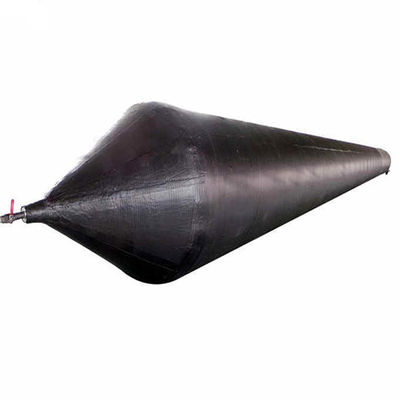
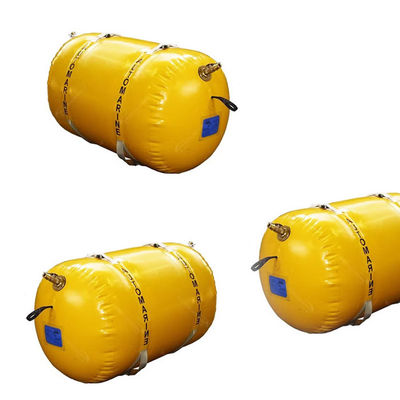
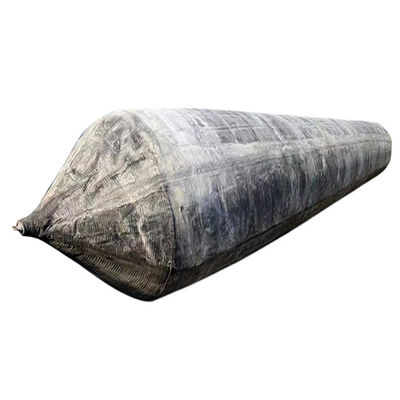
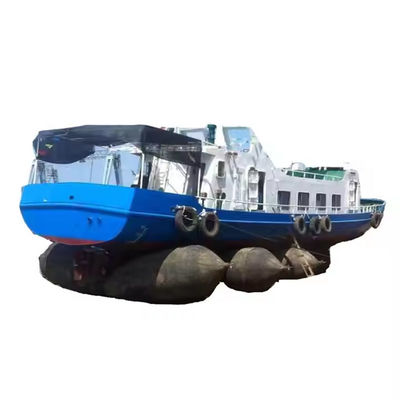
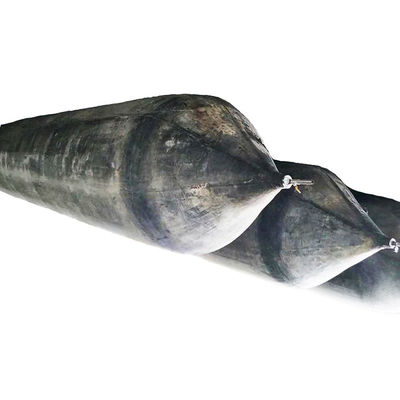
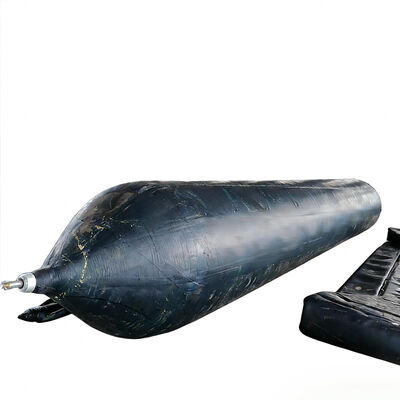
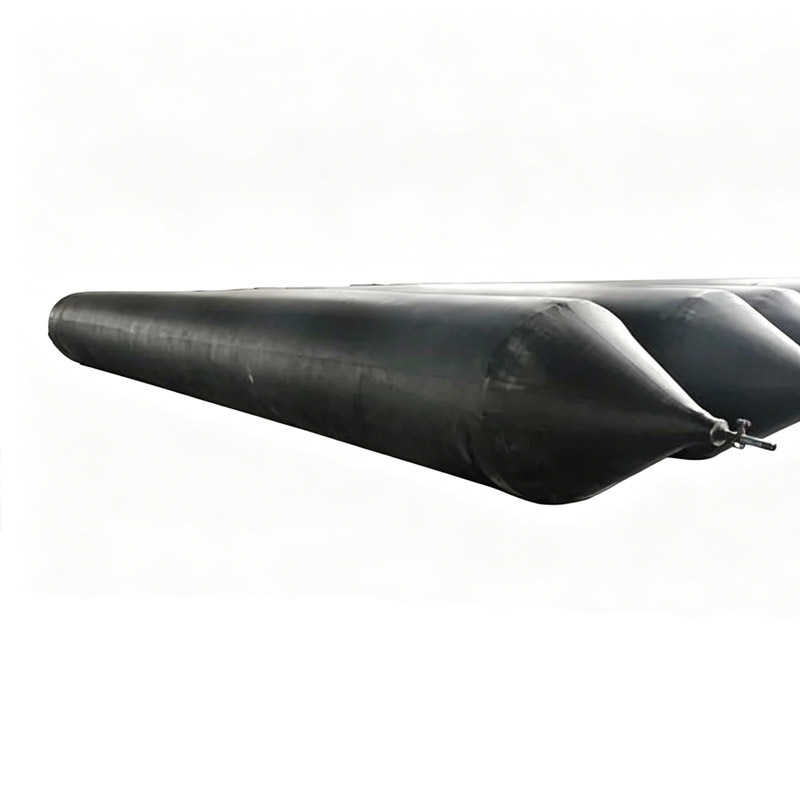
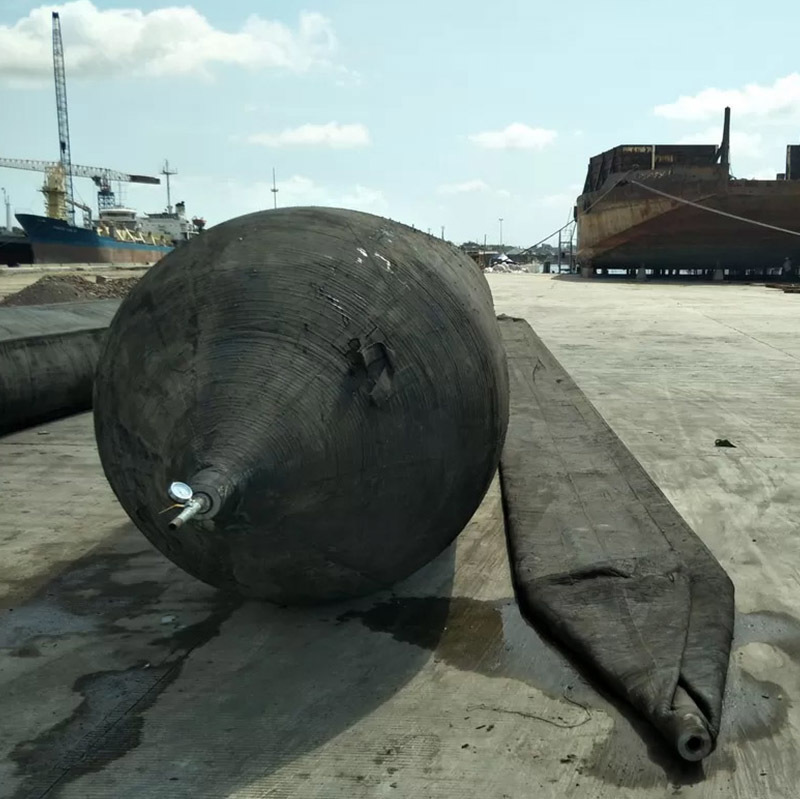
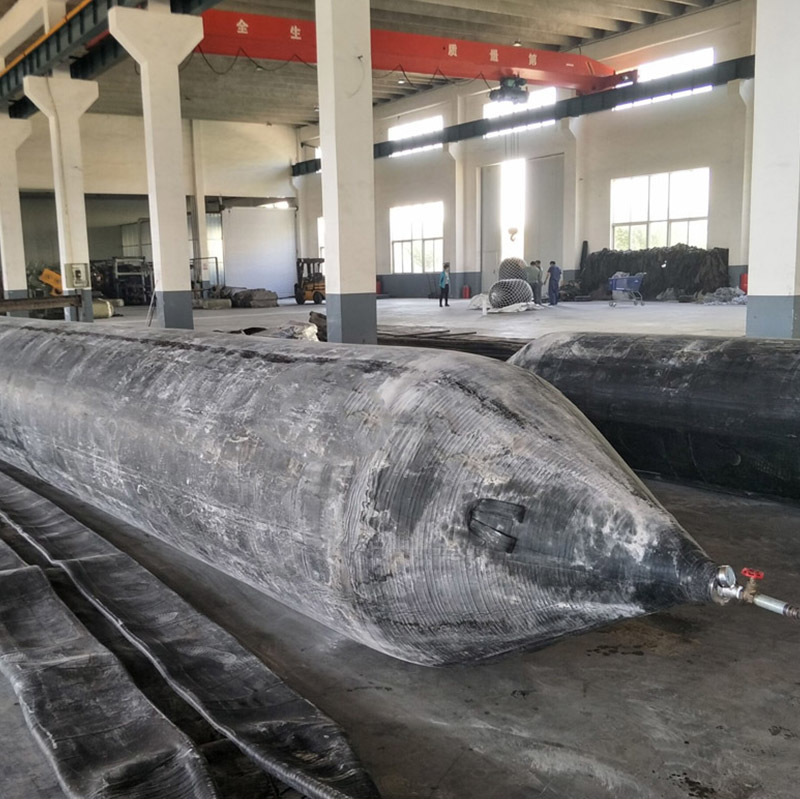
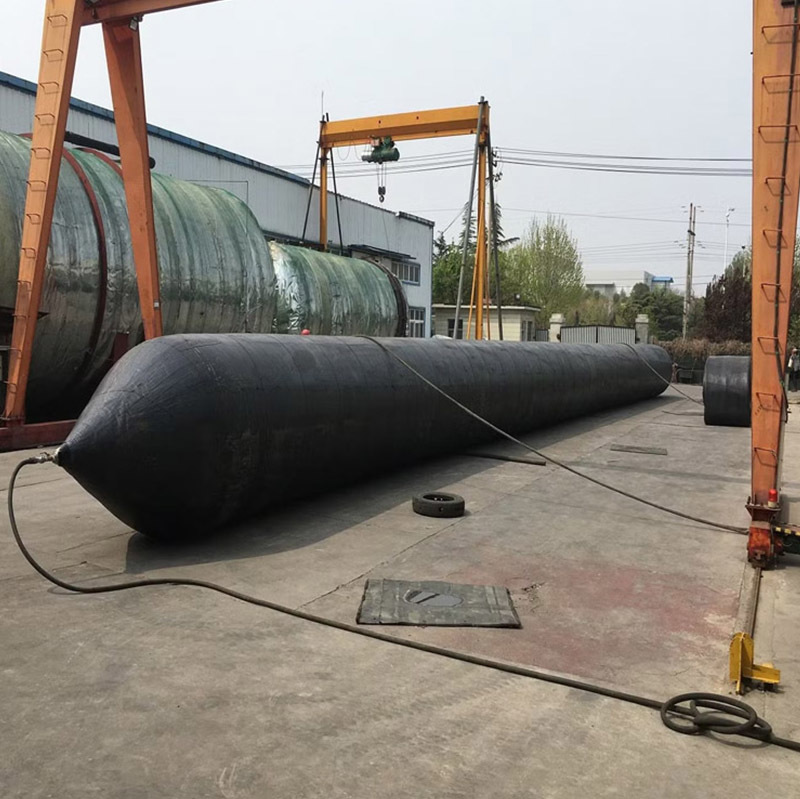
Inflatable Marine Airbags are highly engineered pneumatic devices designed for heavy-duty marine operations including vessel launching, hauling, and structural movement. Constructed with multi-layer reinforced synthetic tire cord fabrics and encapsulated in high-performance rubber, these airbags deliver exceptional strength, elasticity, and durability.
Standard configurations include diameters from 0.8m to 2.0m and lengths up to 20m, with customizable specifications to meet project-specific requirements. These airbags provide stable load distribution and controlled rolling motion during ship launching or lifting processes, with superior elasticity that absorbs dynamic loads and reduces stress concentrations on vessel hulls.
The advanced rubber formulation ensures high resistance to wear, puncture, and environmental degradation, making them reliable even in demanding marine conditions. By eliminating the need for fixed infrastructure such as slipways or dry docks, Inflatable Marine Airbags offer a cost-efficient and flexible alternative for shipyards with limited space or challenging terrain.
A river-based shipyard specializing in steel barges encountered difficulties launching vessels due to fluctuating water levels and unstable muddy ground conditions. Traditional launching systems were not feasible due to high construction costs and environmental limitations.
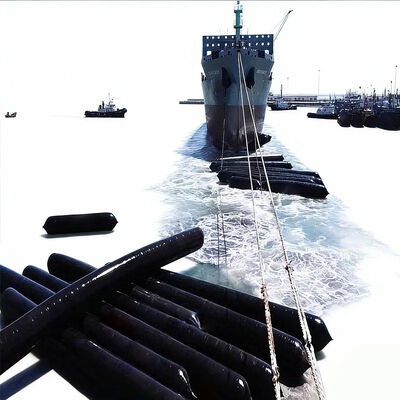
The shipyard adopted Inflatable Marine Airbags for launching operations, deploying a set of 12 airbags with a diameter of 1.2 meters and length of 16 meters for launching a 2,500-ton barge. Despite uneven terrain, the airbags provided stable support and smooth rolling motion, successfully launching the barge without structural stress or operational delays.
Following the successful trial, the shipyard fully transitioned to airbag launching methods, reporting improved operational flexibility, reduced reliance on fixed infrastructure, and significant cost savings. The reusable nature of the airbags also contributed to long-term economic benefits.
| Item | Description |
|---|---|
| Product Name | Inflatable Marine Airbags |
| Material | 100% Grade A Natural Rubber |
| Type | Inflatable, Lifting, Roller, Launching |
| Diameter | 0.5m-3.0m, or As Request |
| Length | 1.0m-28.0m, or As Request |
| Working Pressure | 0.05-0.25 mpa |
| Standard | Conducted by ISO14409 and GB/T1590-2006 system |
| Accessories | Q355/SS304/SS316, Pressure Gauge, Tee, Plug, Switch, Inflation Tube |
| Packaging | Inner-Plastic Bag; Outer -Standard Wooden Pallets |
| Color | Black |
| Certificates | ABS, BV, KR, LR, GL, NK, RINA, DNV, RMRS |
| Diameter | Working Pressure | Working Height | Bearing Capacity KN/m | Bearing Capacity Ton/m |
|---|---|---|---|---|
| D=1.0m | 0.14Mpa | 0.6m | 87.96 | 8.98 |
| 0.5m | 109.96 | 11.22 | ||
| 0.4m | 131.95 | 13.46 | ||
| D=1.2m | 0.12Mpa | 0.7m | 94.25 | 9.62 |
| 0.6m | 113.10 | 11.54 | ||
| 0.5m | 131.95 | 13.46 | ||
| 0.4m | 150.80 | 15.39 | ||
| D=1.5m | 0.10Mpa | 0.9m | 94.25 | 9.62 |
| 0.8m | 109.96 | 11.22 | ||
| 0.7m | 125.66 | 12.82 | ||
| 0.6m | 141.37 | 14.43 | ||
| 0.5m | 157.08 | 16.03 | ||
| D=1.8m | 0.09Mpa | 1.1m | 98.96 | 10.10 |
| 1.0m | 113.10 | 11.54 | ||
| 0.9m | 127.33 | 12.98 | ||
| 0.8m | 141.37 | 14.43 | ||
| 0.7m | 155.51 | 15.87 | ||
| 0.6m | 169.65 | 17.31 | ||
| D=2.0m | 0.08Mpa | 1.2m | 100.53 | 10.26 |
| 1.1m | 113.10 | 11.54 | ||
| 1.0m | 125.66 | 12.82 | ||
| 0.9m | 138.23 | 14.11 | ||
| 0.8m | 150.80 | 15.39 | ||
| 0.7m | 163.36 | 16.67 | ||
| 0.6m | 175.93 | 17.95 |
* Other sizes can be produced following client's requirements.
Designed with controlled elasticity that allows deformation under load while maintaining structural stability. Enables even distribution of pressure across contact surfaces, reducing localized stress on both airbag and vessel hull. Critical for absorbing dynamic forces during launching or lifting operations.
Internal structure consists of multiple layers of high-strength synthetic tire cord fabric in cross-wrapped configuration. Enhances tensile strength and prevents internal separation under high pressure. Carefully controlled bonding process prevents delamination for long-term reliability.
Engineered to withstand repeated inflation, deflation, and heavy loading cycles without significant performance degradation. Selected materials maintain elasticity and strength over time, ensuring consistent operation across multiple projects and reducing replacement frequency.
Flexible structure adapts to various ground conditions including sand, mud, and gravel. Conforms to uneven surfaces providing stable support in challenging environments. Suitable for remote or undeveloped locations where traditional infrastructure is unavailable.
Combines practical experience with advanced engineering techniques to design marine airbags that meet demanding operational requirements. Each product engineered for optimal performance under specific load and environmental conditions.
Every production stage monitored under comprehensive quality control system. Rigorous inspection from raw material selection to final pressure testing ensures compliance with industry standards and customer expectations.
Wide range of customization options including size, layer configuration, and pressure ratings. Products precisely matched to project needs for improved efficiency and safety.
Technical support and guidance provided to customers worldwide. Professional assistance from initial consultation to after-sales service enhances overall project success.
The number of airbags depends on the vessel weight, dimensions, and launching method. Engineers typically calculate load distribution to determine the optimal quantity and arrangement.
Yes, their flexible structure allows them to adapt to uneven terrain, providing stable support even on soft or irregular surfaces.
Regular inspection for surface damage, proper cleaning, and correct storage away from direct sunlight can significantly extend their lifespan.
Minor damages such as surface abrasions can often be repaired using specialized rubber repair materials, depending on severity.
Standard air compressors, pressure gauges, and control valves are typically required to inflate and manage the airbags during operation.