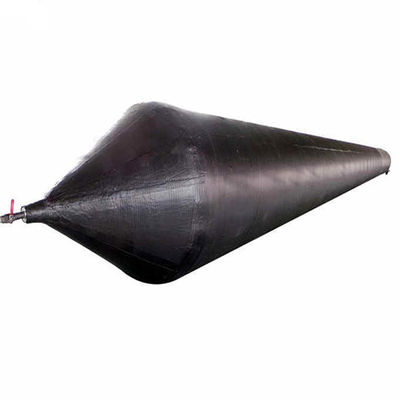
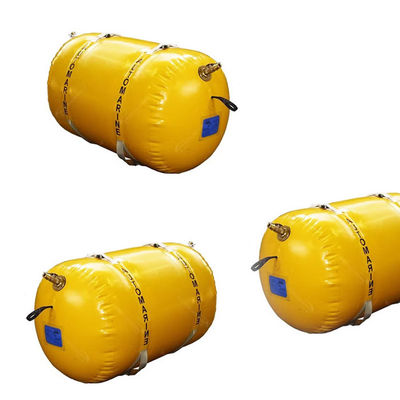
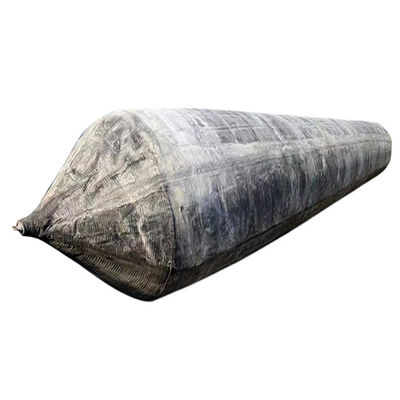
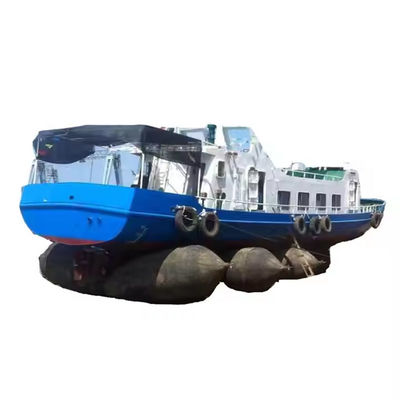
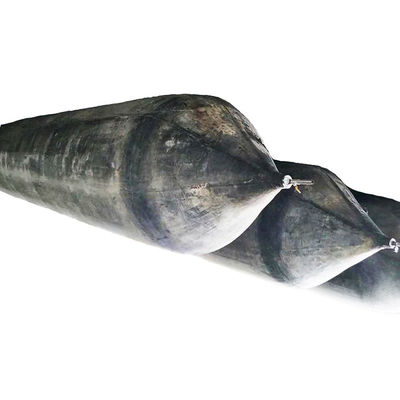
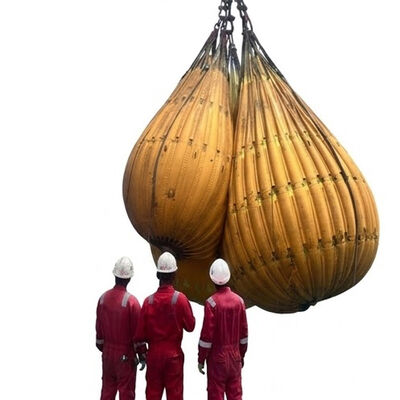
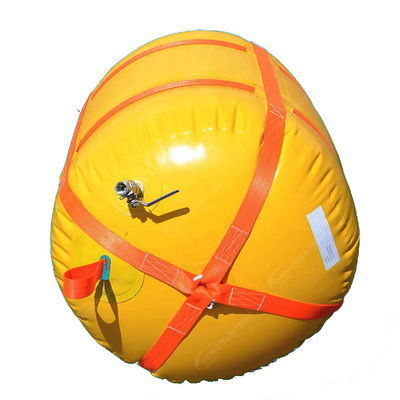
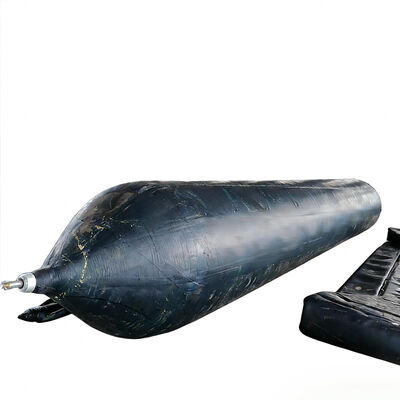
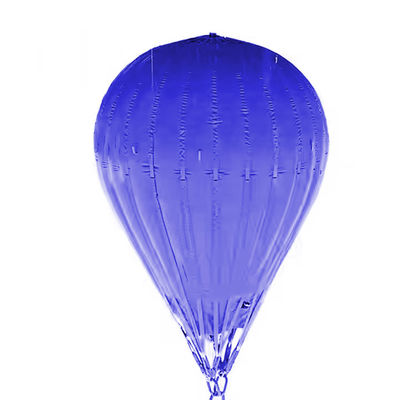
Pillow Underwater Air Lift Bags are flexible buoyancy systems engineered for underwater lifting, temporary flotation, subsea positioning, marine maintenance and controlled handling of submerged structures and equipment. Their pillow-shaped configuration combines large effective buoyancy volume with low-profile installation form, making them ideal for operations where underwater clearance is limited and rigid lifting equipment cannot be positioned efficiently.
The lifting body is manufactured from high-strength PVC-coated polyester fabric. The polyester base fabric provides primary tensile reinforcement, while the PVC coating forms an airtight and flexible protective layer. This composite construction withstands internal inflation pressure, external hydrostatic pressure, handling loads and normal marine exposure.
An offshore engineering contractor in the Arabian Gulf successfully installed a 420-ton steel support frame using multiple Pillow Underwater Air Lift Bags in a distributed buoyancy arrangement. The system provided flexible control for the irregularly shaped structure in restricted water depth, allowing operators to adjust buoyancy distribution and manage vertical response during precise positioning operations.
| Product Name | Underwater Air Lifting Bag |
|---|---|
| Raw Material | TOP-Grade PVC Coating Fabric |
| Type | Cylindrical, Parachute, Pillow |
| Size | 500kg, 1000kg, 5000kg, 10000kg, etc |
| Thickness | 0.4-1.2mm, or as request |
| Color | Yellow, Blue, Black, etc |
| Safety Factor | 7:1 |
| Accessories | Valve, Inflatable Tube, Repair Material |
| Warranty | 3 Years |
| Model | Capacity (kg) | Capacity (lbs) | Length (mm) | Width (mm) |
|---|---|---|---|---|
| HM-P100 | 100 | 220 | 1,020 | 760 |
| HM-P250 | 250 | 550 | 1,320 | 820 |
| HM-P500 | 500 | 1,100 | 1,300 | 1,200 |
| HM-P1000 | 1,000 | 2,200 | 1,550 | 1,420 |
| HM-P2000 | 2,000 | 4,400 | 1,950 | 1,780 |
| HM-P3000 | 3,000 | 6,600 | 2,900 | 1,950 |
| HM-P5000 | 5,000 | 11,000 | 3,230 | 2,030 |
Other sizes can be customized according to requirements.
Usable buoyancy depends on water displacement volume and operating conditions including water density, operating depth, internal air pressure, bag volume, rigging weight, load geometry and required reserve buoyancy. The complete lifting arrangement must be evaluated rather than relying solely on nominal capacity.
Service life depends on operating frequency, inflation/deflation cycles, abrasion, UV exposure, temperature, chemical exposure, handling practices and maintenance. Regular cleaning, drying, inspection and proper storage help maintain fabric, seams, valves and lifting components.
Yes, but the actual temperature range should be confirmed before production. Ambient temperature, water temperature, solar exposure and contact with heated equipment may influence material performance. Project-specific environmental information should be provided during selection.
Inspect installation areas for sharp edges, weld projections and abrasive surfaces. Use protective layers or suitable contact arrangements. Position the bag so lifting loads transfer through designed harness and reinforcement systems rather than unintended contact points.
Yes, inspection and testing documentation can be arranged according to project requirements. Documentation may cover dimensions, configuration, identification, airtightness testing and manufacturing records. Specific certification requirements should be confirmed before production.