logo

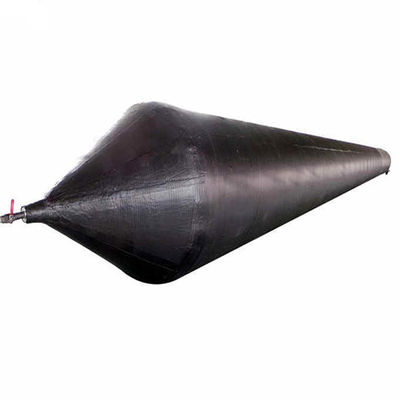
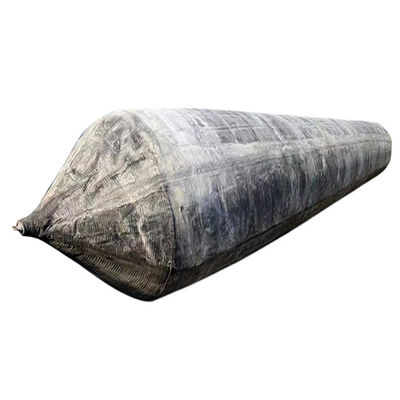
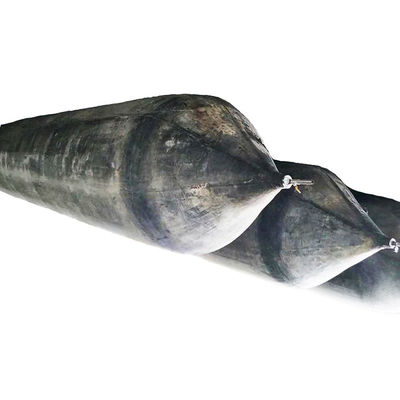
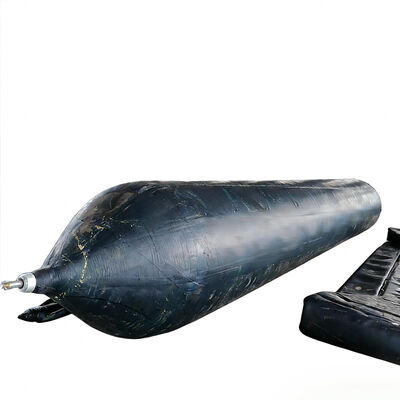
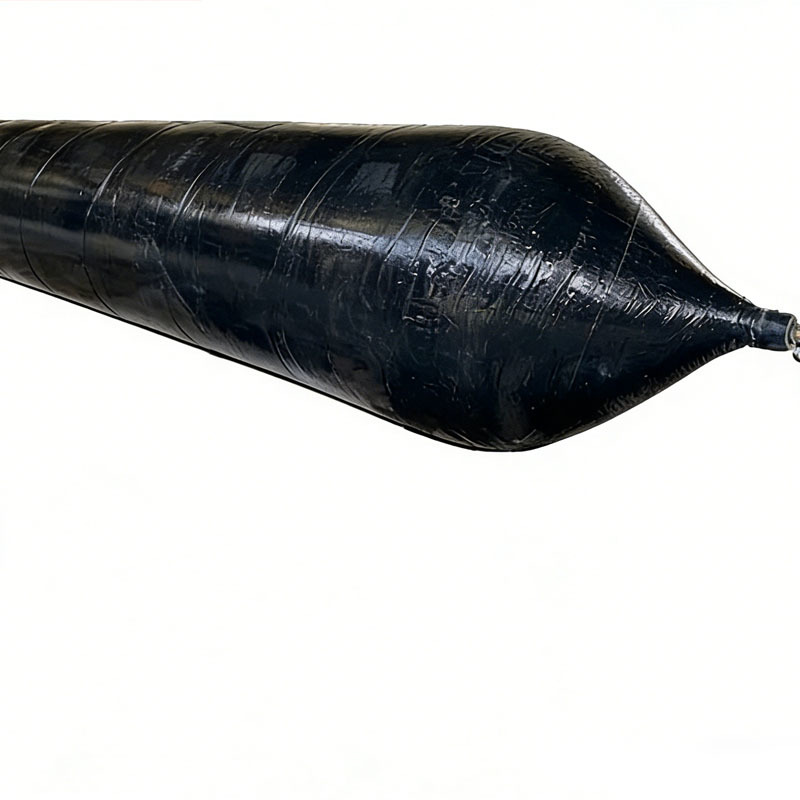
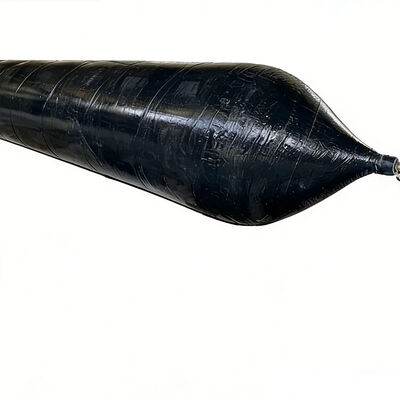
Rubber Airbag Wear Resistant Build Strong Elasticity Efficient Energy Absorption

1
MOQ
$USD48-$USD980
価格
Rubber Airbag Wear Resistant Build Strong Elasticity Efficient Energy Absorption
特徴 ギャラリー 製品の説明 見積依頼
特徴
仕様
製品名: エアバッグ打ち上げ船
特徴: 耐久性のある構造
材料: NBR
使用圧力: 0.05-0.25 MPA
強化: タイヤコードファブリック層
長さ: 3M-28M,または要求に応じて
レイヤー: 5-13 頼むか 頼むか
直径: 0.5M-3.0M,または要求に応じて
応用: 船舶 船舶 ボート 打ち上げ ドッキング
色: 黒またはカスタマイズされた
包装: パレット、木製の箱
ハイライト:

rubber airbag wear resistant

,

elastic airbag energy absorption

,

ship launching airbag strong

基本情報
起源の場所: 中国
ブランド名: Hongruntong Marine
証明: ISO, BV, ABS, DNV, LR, SGS, CCS, RMRS
モデル番号: HM-ALS66
お支払配送条件
パッケージの詳細: 木製のパレット、木製の箱
受渡し時間: 5~7営業日
支払条件: L/C、D/A、D/P、T/T、ウェスタンユニオン、マネーグラム
供給の能力: 月3690個
製品の説明
Rubber Airbag Wear Resistant Build Strong Elasticity Efficient Energy Absorption
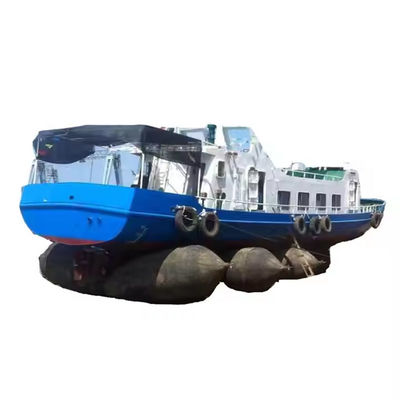
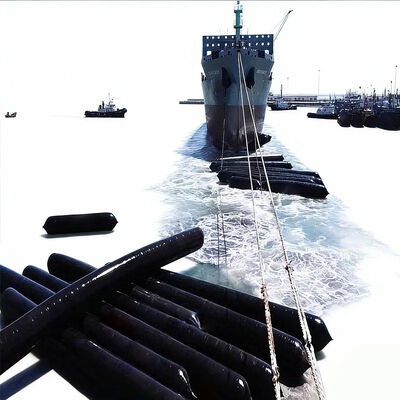
Airbag launching is an adaptable, low-infrastructure method that enables vessels to be transferred from land to water using pneumatic marine airbags placed strategically beneath the hull. By replacing fixed launching rails with flexible rolling support, the technique allows shipyards to launch vessels even under space limitations or irregular foreshore conditions. Each airbag is engineered to maintain high internal pressure, resist multi-directional deformation, and distribute concentrated hull loads safely during movement. The launch process uses a combination of controlled rolling friction, gradual energy absorption, and synchronized pressure management to ensure a stable transition to buoyancy.
Case Study: Launching a 4,200 Ton Aluminum High Speed Ferry
A coastal shipyard specializing in aluminum ferries required an efficient launch solution for a newly completed 4,200-ton high-speed passenger vessel. The site lacked a deep and reinforced slipway and faced tidal variations that made conventional methods impractical. Engineers determined that an airbag-based launch would offer the necessary flexibility while preventing localized hull stress that could compromise the lightweight aluminum structure. Fourteen airbags with a diameter of 1.5 m and a length of 20 m were deployed beneath the hull after precision jacking raised the vessel to the correct height. Ground preparation focused on creating a stable but minimally invasive working surface to avoid excessive leveling. Before the launch, differential pressure testing was used to confirm consistent internal pressure across all airbags, while thermal monitoring ensured that pressure fluctuations caused by temperature shifts were within allowable limits. During the launch, the ferry advanced steadily as airbags rotated in synchronized cycles. The lightweight hull responded sensitively to any imbalance, so technicians used real-time alignment indicators to adjust the rolling path. As the vessel neared the water's edge, airbags compressed predictably, absorbing the dynamic load without generating sudden acceleration. The ferry entered the water with minimal wake and no lateral drift. Inspection revealed zero deformation on the aluminum plating and no disturbance to the hull's protective coatings. The entire process took half the time of a conventional slipway launch and eliminated the need for substantial ground reinforcement. This case proved the effectiveness of airbag launching for lightweight, high-precision vessels where stress control is critical.
Specifications
Item Description
Place of Origin China
Brand Name Hongruntong Marine
Material Industrial Grade Natural Rubber
Diameter 0.5m-3.0m, or as Request
Length 1.0m-28.0m, or as Request
Working Pressure 0.05-0.25 Mpa
Technics High Pressure, Overall Winding, Explosion-Proof
Use Ship Launching and Docking
Thickness 5-13 ply
Standard Conducted by ISO14409 and GB/T1590-2006 system.
Accessories Q355/SS304/SS316, Pressure Gauge, Tee, Plug, Switch, Inflation Tube
Packaging Inner-Plastic Bag; Outer-Standard Wooden Pallets.
Keywords Airbag Launching Ship
Certificates ABS, BV, KR, LR, GL, NK, RINA, DNV, RMRS
MOQ 1
OEM Welcome
Performance Data
Diameter Working Pressure Working Height Bearing Capacity KN/m Bearing Capacity Ton/m
D=1.0m 0.14Mpa 0.6m 87.96 8.98
0.5m 109.96 11.22
0.4m 131.95 13.46
D=1.2m 0.12Mpa 0.7m 94.25 9.62
0.6m 113.10 11.54
0.5m 131.95 13.46
0.4m 150.80 15.39
D=1.5m 0.10Mpa 0.9m 94.25 9.62
0.8m 109.96 11.22
0.7m 125.66 12.82
0.6m 141.37 14.43
0.5m 157.08 16.03
D=1.8m 0.09Mpa 1.1m 98.96 10.10
1.0m 113.10 11.54
0.9m 127.33 12.98
0.8m 141.37 14.43
0.7m 155.51 15.87
0.6m 169.65 17.31
D=2.0m 0.08Mpa 1.2m 100.53 10.26
1.1m 113.10 11.54
1.0m 125.66 12.82
0.9m 138.23 14.11
0.8m 150.80 15.39
0.7m 163.36 16.67
0.6m 175.93 17.95
* Other size can be produced follow client's requirements.
Features
Precision Pressure Control Stability
These airbags are engineered to maintain highly stable internal pressure during multi-phase launching operations. Their valve assemblies allow micro-adjustments, ensuring that each airbag supports its designated load without pressure spikes or asymmetrical deformation.
Advanced Anti Fatigue Fabric Layering
The tire-cord layers use optimized fiber orientation and improved bonding technology, enabling the airbags to resist repeated cyclic compression during long rolling distances. This enhances lifespan and maintains predictable load-bearing performance over multiple launches.
Low Friction Surface Performance
The outer rubber incorporates a low-friction compound that reduces surface drag on concrete, steel, or prepared soil. This contributes to smoother rolling motion and minimizes energy losses, ensuring stable acceleration and reduced towing force requirements.
High Response Deformation Control
The structural design enables the airbag to respond quickly and uniformly to changing loads as the hull shifts from land support to buoyancy. This rapid deformation control prevents abrupt motion, stabilizes hull alignment, and ensures safer operation.
Applications
  • Launching Lightweight Vessels Requiring Stress Sensitivity
  • Supporting Vessel Repair and Mid-Hull Elevation
  • Handling Marine Structures with Flexible Transport Needs
Advantages
  • Material Science Expertise for Enhanced Reliability
  • Comprehensive On-Site Technical Assistance
  • Tailored Solutions for Complex Vessel Designs
  • Global Distribution and Rapid Response Logistics
Frequently Asked Questions
Q1. How should internal pressure be monitored during a long launch?
Pressure gauges should be checked continuously, with adjustments made through precision valves to maintain the recommended load distribution.
Q2. Are aluminum hulls compatible with airbag launching?
Yes, airbags provide distributed support that reduces point-loading, making them ideal for aluminum high-speed craft and other stress-sensitive structures.
Q3. What ground preparation is necessary before deploying airbags?
The surface should be cleared, leveled to a moderate degree, and free of sharp objects. Full concrete reinforcement is not required.
Q4. How can hull alignment be maintained during the launch?
Use of guide ropes, mechanical alignment indicators, and controlled towing force helps maintain a straight launching path.
Q5. What maintenance practices extend the airbag's lifespan?
Regular cleaning, inspection of outer rubber condition, annual pressure testing, and proper storage away from heat and sunlight greatly extend service life.
Product Images
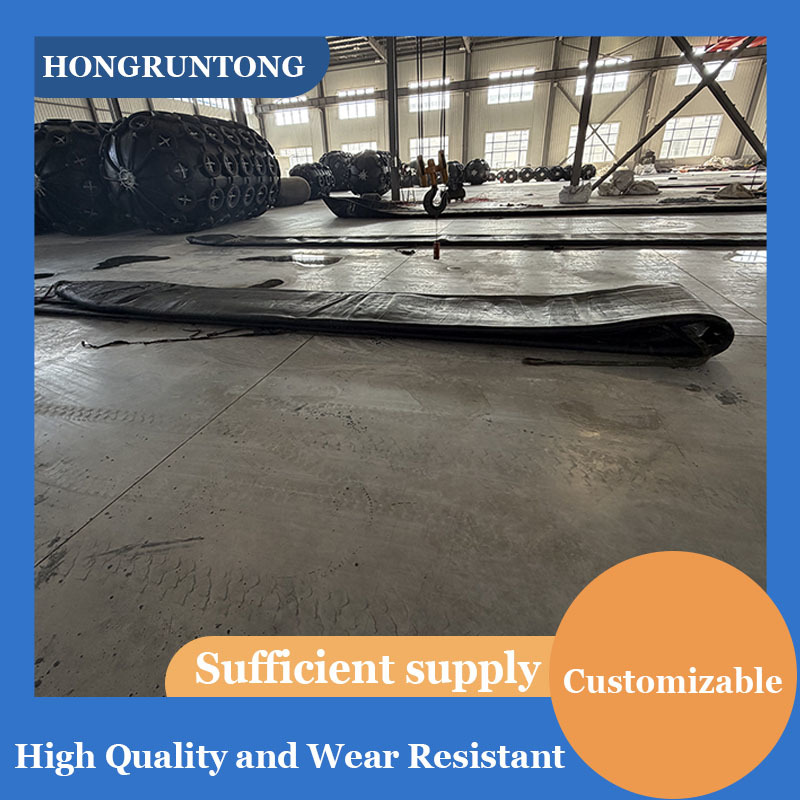
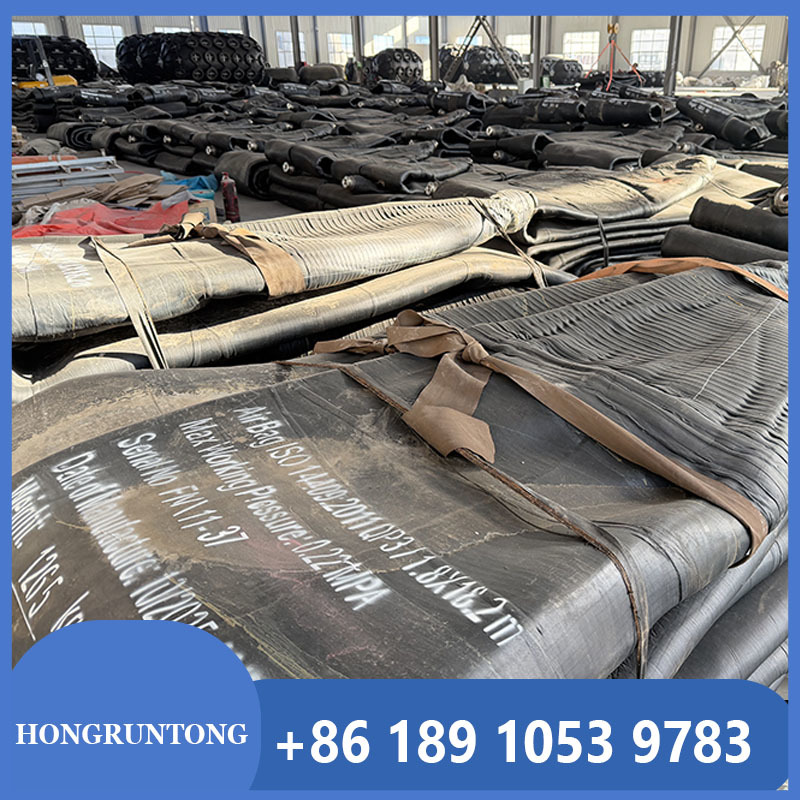
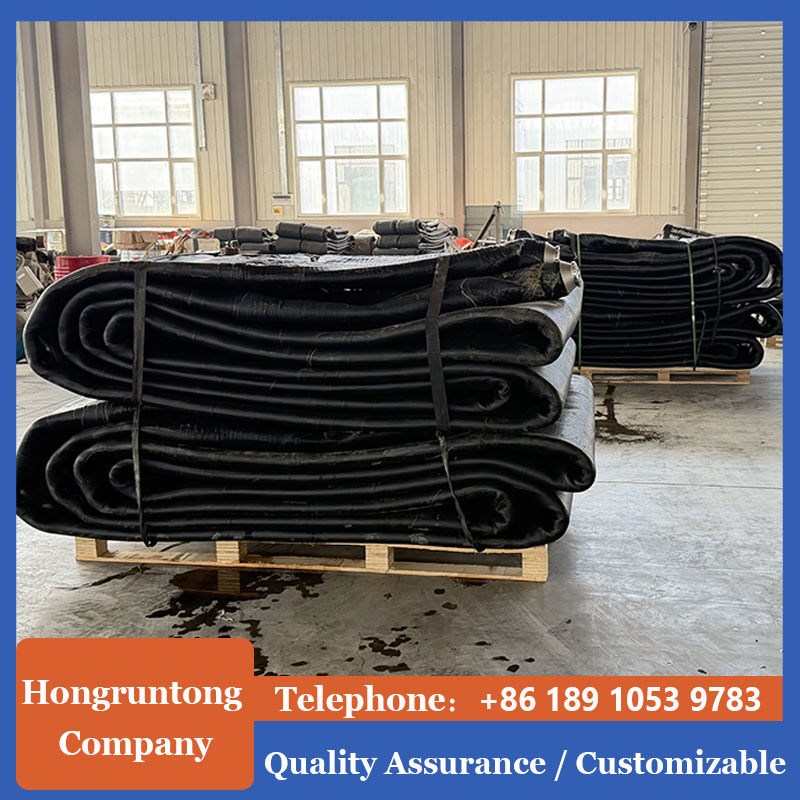
Rubber Airbag Wear Resistant Build Strong Elasticity Efficient Energy Absorption 0 Rubber Airbag Wear Resistant Build Strong Elasticity Efficient Energy Absorption 1 Rubber Airbag Wear Resistant Build Strong Elasticity Efficient Energy Absorption 2 Rubber Airbag Wear Resistant Build Strong Elasticity Efficient Energy Absorption 3
推薦されたプロダクト
私達と連絡を取ってください
コンタクトパーソン : Mr. William Lau
電話番号 : +8618910539783
ファックス : 86-10-89461910
残りの文字数(20/3000)