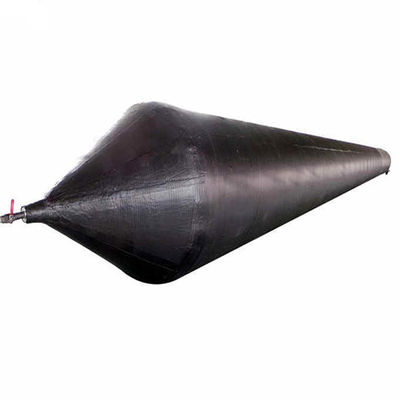
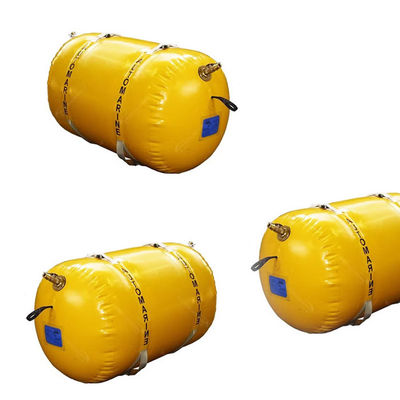
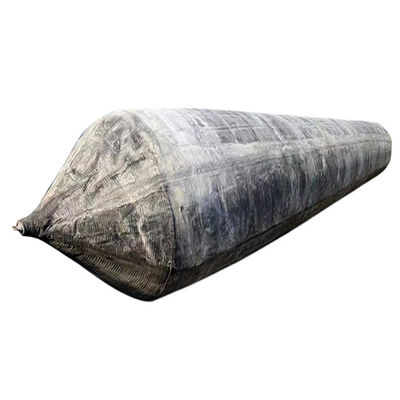
کوله هوا از لاستیک دریایی مقاومت سنگین ضد پیری مواد پشتیبانی قابل اعتماد
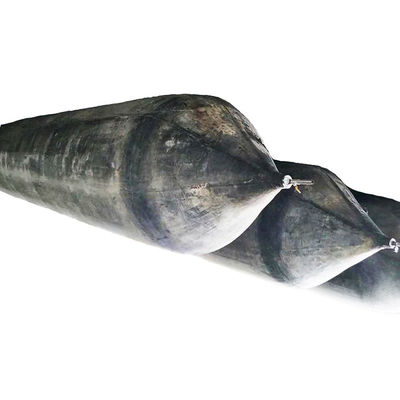
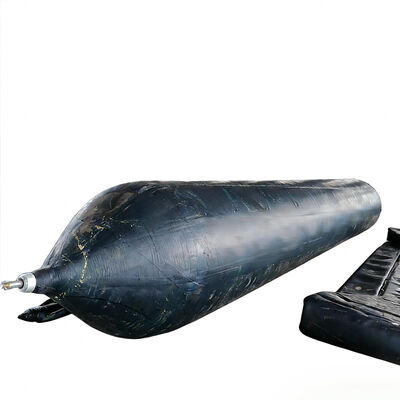
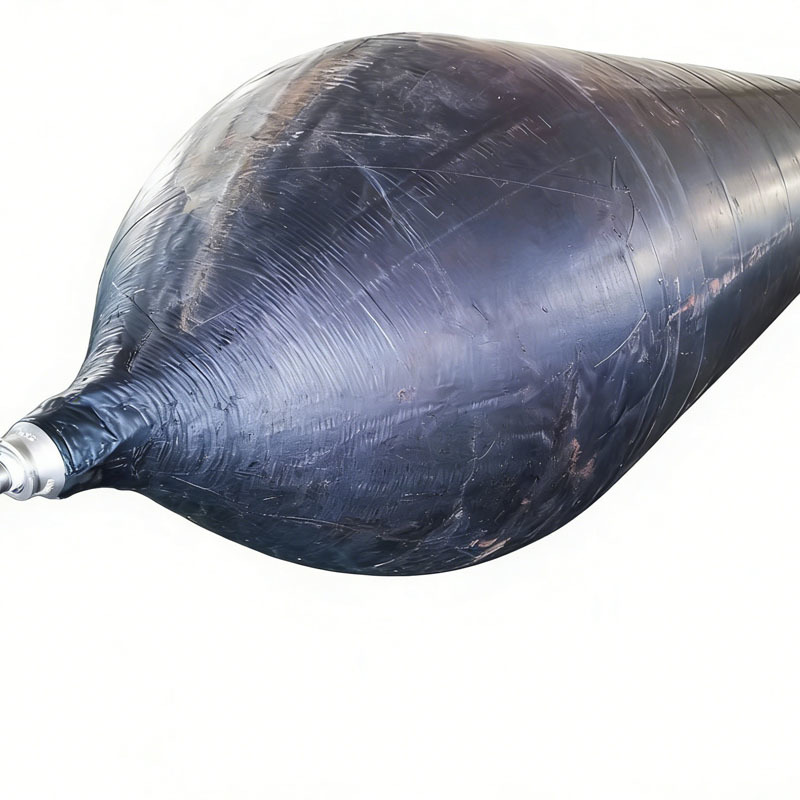
پرتاب کوله هوا یک فناوری انتقال انعطاف پذیر و با کارایی بالا از کشتی به آب است که از کوله های هوا هوایی پنوماتیک دریایی به عنوان بستر اصلی پشتیبانی و رولینگ در زیر بدن یک کشتی استفاده می کند.به جای تکیه کردن بر راه های تقویت شده یا سیستم های فولادی، کوله های هوا پشتیبانی بار توزیع شده را از طریق فشار داخلی کنترل شده فراهم می کنند و اجازه می دهند کشتی ها حتی در محیط هایی با زیرساخت محدود به طور ایمن راه اندازی شوند.ساختار چند لایه ای آنها در هر دو جهت محوری و محوری قدرت را فراهم می کند، که باعث تغییر شکل قابل پیش بینی در هنگام انتقال کشتی از خشکی به آب می شود.
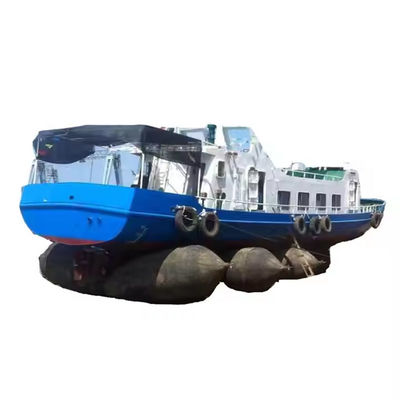
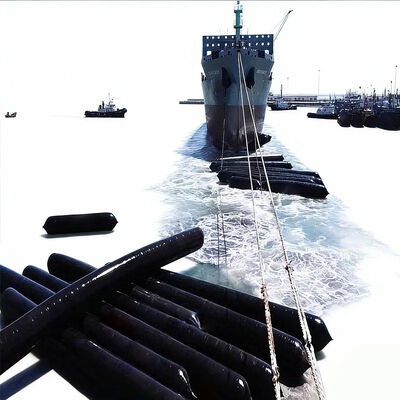
این روش با قرار دادن یک سری از کوله های هوا با شکل استوانه ای در زیر بدنه پس از بالا بردن آن با استفاده از جک های هیدرولیک هماهنگ کار می کند.بدنه شروع به حرکت به جلو می کنددر حالی که مقاومت زمین به تدریج کاهش می یابد تا شناور شدن به دست آید.
یک مورد نمایان مربوط به راه اندازی یک کشتی باری چند منظوره ۹۶۰۰ تن در یک کشتی سازی آسیای جنوب شرقی با فضای کاری محدود و ساحل کم عمق بود.ساخت جاده های سنتی نیاز به تقویت مهندسی مدنی داشتمهندسان شبیه سازی انجام دادند تا پرتاب مبتنی بر کوله هوا را به عنوان یک جایگزین ارزیابی کنند.
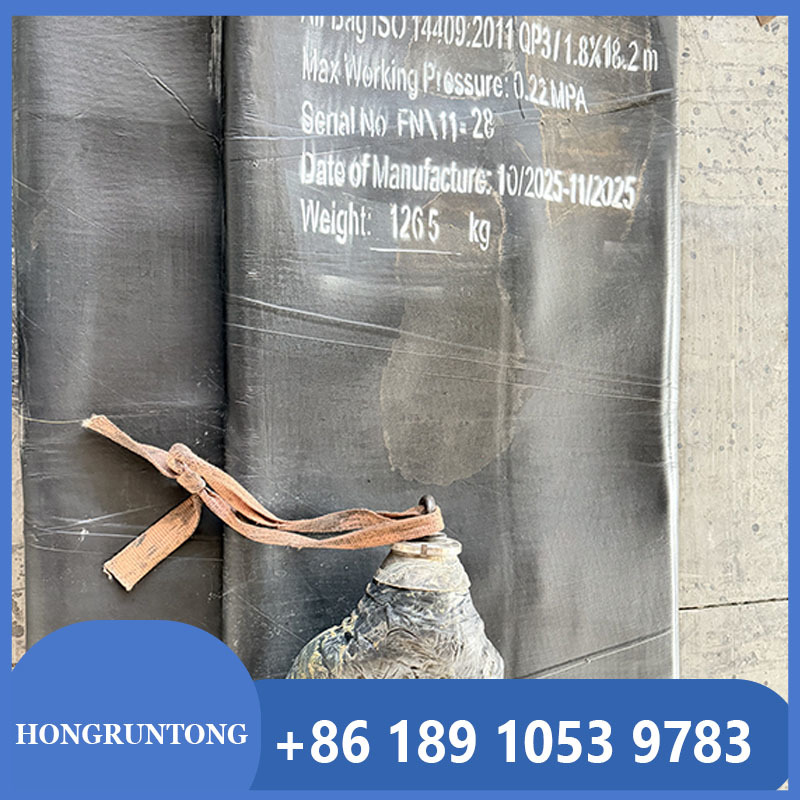
در مجموع 28 کوله هوا، هرکدام 1.8 متر در 18 متر، در فواصل بهینه شده تحت بدنه قرار گرفتند.تیم تجزیه و تحلیل توزیع بار و نظارت بر تعادل فشار را انجام داد تا اطمینان حاصل شود که هر کوله هوا نیروی متعادل را حمل می کند.در طول پرتاب، سنسورهای جابجایی و فشار سنج داده های زمان واقعی را در مورد حرکت هول ارائه دادند، اطمینان حاصل کنید که کشتی تراز و شتاب صحیح را حفظ می کند.
در حالی که کشتی به جلو حرکت می کرد، کوله های هوا در پشت کشتی به روشی کنترل شده تغییر شکل می دادند، انرژی را جذب می کردند و هک را ثبات می دادند.و کشتی بدون انحراف جانبی یا آسیب برخورد وارد آب شده است.کل فرآیند پرتاب کمتر از سه ساعت طول کشید و بازرسی نهایی تایید کرد که پوشش بدنه و اجزای ساختاری دست نخورده باقی مانده است.
این راه اندازی موفق هزینه های کشتی سازی را در مقایسه با جایگزین های گلپای حدود 38٪ کاهش داد.این پروژه نشان داد که پرتاب کوله هوا می تواند بدون سرمایه گذاری بزرگ در زیرساخت ها، کشتی های تجاری متوسط را در بر بگیرد.، گسترش دامنه عملیاتی کشتی سازی و امکان برنامه ریزی انعطاف پذیر تولید.
مشخصات
| ماده |
توضیحات |
| محل اصلی |
چین |
| نام تجاری |
هانگرونتونگ مارین |
| مواد |
لاستیک طبیعی درجه صنعتی |
| قطر |
0.5m-3.0m، یا به عنوان درخواست |
| طول |
1.0m-28.0m، یا به عنوان درخواست |
| فشار کاری |
0.05-0.25 Mpa |
| تکنیک ها |
فشار بالا، پیچ و تاب کلی، ضد انفجار |
| استفاده |
راه اندازی و لنگر انداختن کشتی |
| ضخامت |
5 تا 13 لایه |
| استاندارد |
با استفاده از سیستم ISO14409 و GB/T1590-2006 انجام می شود. |
| لوازم |
Q355/SS304/SS316، فشار سنج، تی، پلگ، سوئیچ، لوله انفلاسیون |
| بسته بندی |
کیسه پلاستیکی داخلی؛ پالت های چوبی استاندارد خارجی. |
| کلمات کلیدی |
کشتی پرتاب کننده ی کوله هوا |
| گواهینامه ها |
ABS، BV، KR، LR، GL، NK، RINA، DNV، RMRS |
| مقدار تولیدی |
1 |
| OEM |
خوش اومدي |
مشخصات ظرفیت
| قطر |
فشار کاری |
ارتفاع کاری |
ظرفیت حامل KN/m |
ظرفیت حامل: تن/متر |
| D=1.0m |
0.14Mpa |
0.6 متر |
87.96 |
8.98 |
|
|
0.5 متر |
109.96 |
11.22 |
|
|
0.4 متر |
131.95 |
13.46 |
| D=1.2m |
0.12Mpa |
0.7 متر |
94.25 |
9.62 |
|
|
0.6 متر |
113.10 |
11.54 |
|
|
0.5 متر |
131.95 |
13.46 |
|
|
0.4 متر |
150.80 |
15.39 |
| D=1.5m |
0.10Mpa |
0.9 متر |
94.25 |
9.62 |
|
|
0.8 متر |
109.96 |
11.22 |
|
|
0.7 متر |
125.66 |
12.82 |
|
|
0.6 متر |
141.37 |
14.43 |
|
|
0.5 متر |
157.08 |
16.03 |
| D=1.8m |
0.09Mpa |
1.1 متر |
98.96 |
10.10 |
|
|
1.0m |
113.10 |
11.54 |
|
|
0.9 متر |
127.33 |
12.98 |
|
|
0.8 متر |
141.37 |
14.43 |
|
|
0.7 متر |
155.51 |
15.87 |
|
|
0.6 متر |
169.65 |
17.31 |
| D=2.0m |
0.08Mpa |
1.2 متر |
100.53 |
10.26 |
|
|
1.1 متر |
113.10 |
11.54 |
|
|
1.0m |
125.66 |
12.82 |
|
|
0.9 متر |
138.23 |
14.11 |
|
|
0.8 متر |
150.80 |
15.39 |
|
|
0.7 متر |
163.36 |
16.67 |
|
|
0.6 متر |
175.93 |
17.95 |
* اندازه های دیگر می تواند به دنبال الزامات مشتری تولید شود.
ویژگی ها
- ساختار تقویت چند لایه ای:کوله های هوا با لایه های متعدد از پارچه ی سیم تایر ساخته شده اند که در جهت های متناوب ترتیب داده شده اند.این یک اسکلت با قدرت کششی بالا را ایجاد می کند که قادر به مقاومت در برابر کشش طولی و فشرده سازی دایره ای استساختار متعادل تضمین توزیع یکنواخت استرس در زیر بارهای سنگین بدنه است.
- عملکرد فشار داخلی پایدار:ترکیبات مخصوص لاستیکی و دریچه های با یکپارچگی بالا اجازه می دهد تا کوله هوا فشار ثابت را در طول دوره های عملیاتی طولانی حفظ کند.نگه داشتن فشار کنترل شده باعث می شود که دینامیک رول قابل پیش بینی باشد و از تغییر شکل محلی که می تواند ثبات بدنه را به خطر بیندازد، جلوگیری شود.
- لاستیک بیرونی مقاوم به پوشیدن:لایه بیرونی برای مقاومت در برابر سایش از خط های لغزنده بتن، خاک فشرده و صفحه های فولادی طراحی شده است. این مقاومت بهتر در برابر سایش طول عمر خدمات را افزایش می دهد و زمان توقف عملیاتی را کاهش می دهد.حتی با چرخه های پرتاب مکرر.
- انحراف محوری انعطاف پذیر:بدن استوانه ای کوله هوا طراحی شده است تا به آرامی در امتداد جهت محوری تغییر شکل دهد و حرکت رولینگ پایدار را در سطوح نابرابر امکان پذیر کند.این انعطاف پذیری باعث کاهش تلفات انرژی می شود و به کنترل دقیق شتاب و جهت کشتی کمک می کند.
درخواست ها
- راه اندازی کشتی های تجاری سنگین:ایده آل برای کشتی های باری، کشتی های پشتیبانی دریایی و قایق های صنعتی بزرگ که نیاز به حمل و نقل بار توزیع شده و انتقال بدون مشکل به پشتیبانی شناور دارند.
- ارتفاع هول در طول ساخت:کشتی سازی ها از کوله های هوا برای بالا بردن کشتی ها برای تراز کردن کیل، ادغام بلوک و بازرسی هول استفاده می کنند.
- حرکت ساختارهای صنعتی سنگین:کوله های هوا پشتیبانی یکنواخت و توانایی چرخیدن را برای انتقال کیسون ها، ماژول های فولادی، بخش های پل و اجزای مهندسی ساحلی فراهم می کنند.
مزایا
- طراحی و تجزیه و تحلیل مهندسی:هونگرونتونگ مدل سازی عناصر محدود، شبیه سازی استرس و تجزیه و تحلیل واکنش فشار را برای مهندسی کوله های هوا که عملکرد قابل پیش بینی در شرایط پرتاب واقعی را ارائه می دهند، اعمال می کند.
- تولید و کنترل کیفیت سختگیرانهتمام مواد خام قابل ردیابی هستند و هر لایه تقویت کننده تحت آزمایش کشش و بازرسی چسبندگی قرار می گیرد. کوله های هوایی نهایی برای بررسی یکپارچگی ساختاری تحت فشار آزمایش می شوند.
- راه حل های راه اندازی سفارشی:تیم فنی ما برنامه های پرتاب متناسب با نوع کشتی و شرایط محل را ارائه می دهد، از جمله طرح ی کوله هوا، تنظیم فشار، روش های ارتفاع و استراتژی های کنترل ریسک مناسب برای نوع کشتی و شرایط محل.
- پشتیبانی فنی جهانی و خدمات طولانی مدت:شبکه های توزیع در سراسر جهان، راهنمایی در محل، آموزش عملیاتی و ارزیابی پس از پرتاب، پشتیبانی مداوم و قابل اعتماد را در طول عمر سرویس کوله هوا تضمین می کند.
پرسش های مکرر
سوال ۱. چه عواملی اندازه ی مناسب کوله هوا را برای یک کشتی تعیین می کنند؟
قطر کوله هوا، طول و لایه های تقویت بر اساس وزن کشتی، شکل بدنه، شیب پرتاب و شرایط زمین انتخاب می شوند.
سوال ۲: کوله های هوا در هنگام بالا رفتن بدن تا چه مدت می توانند تحت بار باشند؟
آنها می توانند ظرف ها را برای چندین ساعت پشتیبانی کنند، در صورتی که فشار تحت نظارت قرار گیرد و در محدوده عملیاتی توصیه شده حفظ شود.
سوال 3: آیا کوله های هوا می توانند روی سطوح زمین نامنظم کار کنند؟
بله، آن ها به طور متوسط به ناهنجاری ها تحمل می کنند، اگرچه سطوح بسیار خشن یا تیز باید برابر یا پوشانده شوند تا از سایش جلوگیری شود.
سوال ۴: چند بار باید کوله های هوا آزمایش شوند؟
یک بازرسی کوتاه قبل از استفاده قبل از هر عملیات مورد نیاز است، با آزمایش فشار کامل سالانه برای کشتی سازی های استفاده بالا توصیه می شود.
سوال ۵: عمر پیش بینی شده یک کوله هوا هوا Hongruntong Marine چیست؟
با نگهداری مناسب، کوله های هوا معمولا چندین سال عملکرد قابل اعتماد را حتی در محیط های پرتاب پر کار انجام می دهند.


 پیام شما باید بین 20 تا 3000 کاراکتر باشد!