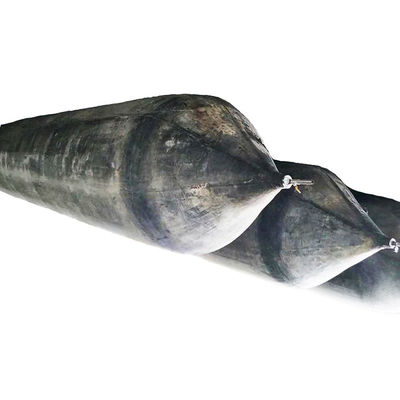
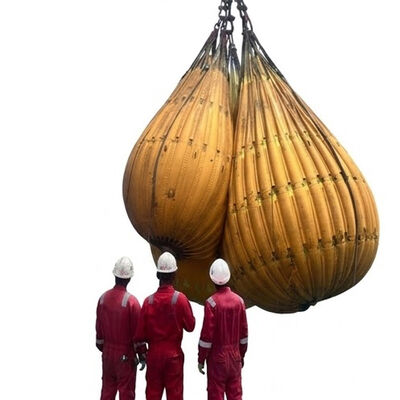
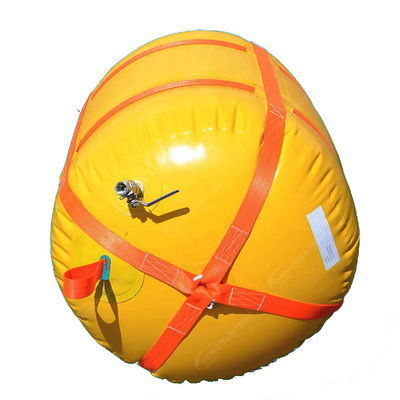
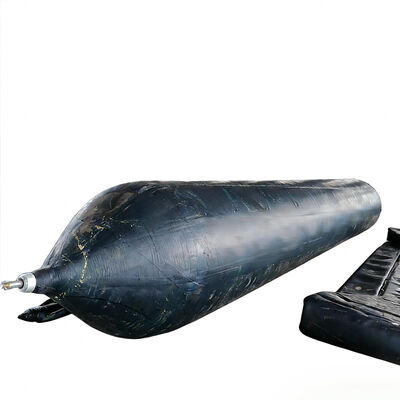
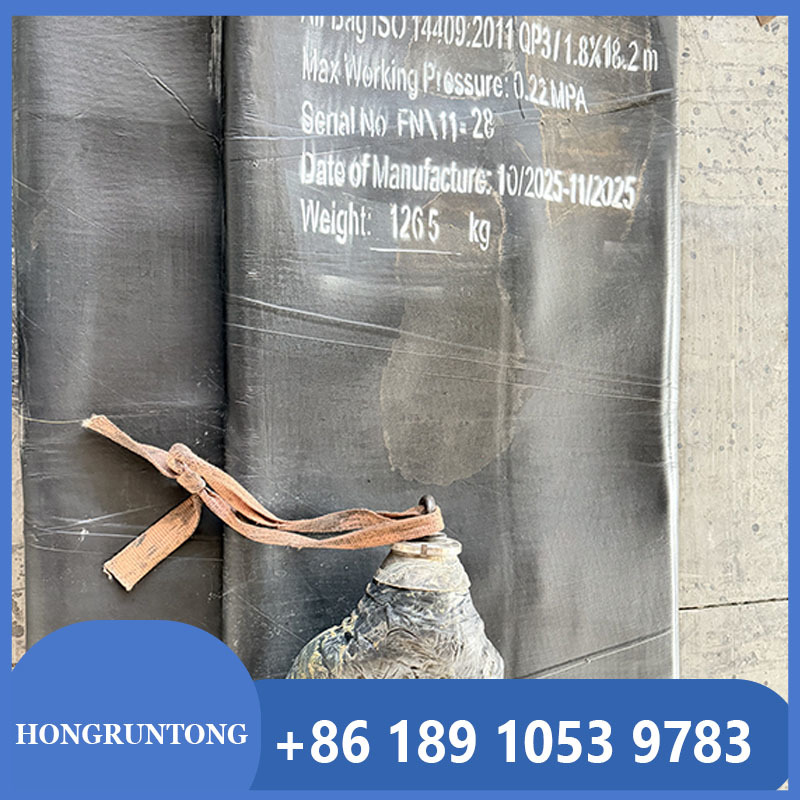
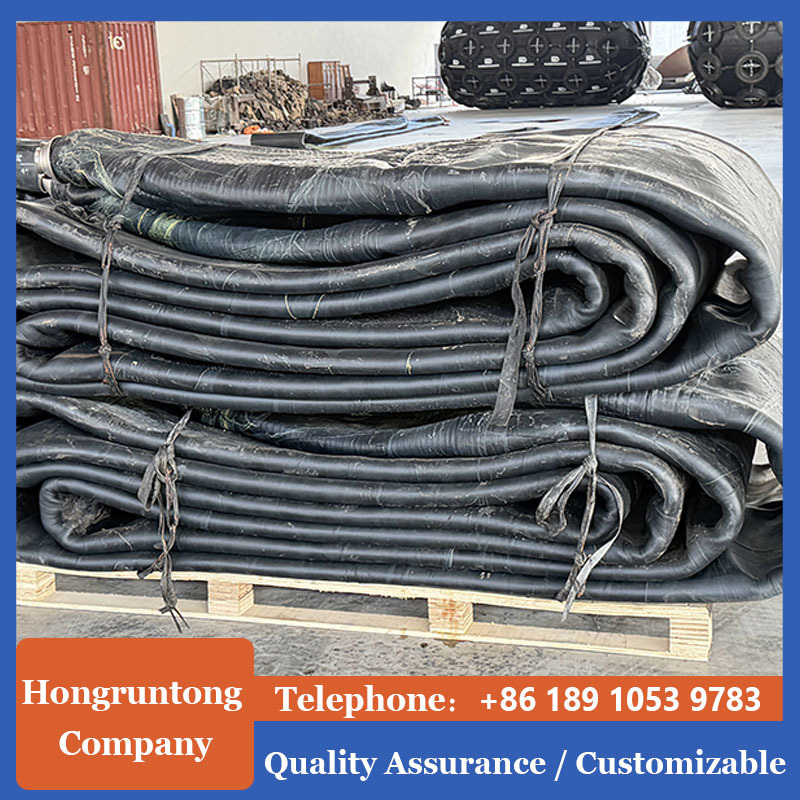
Máy bay cao su túi khí lực công suất nặng vật liệu chống lão hóa hỗ trợ đáng tin cậy
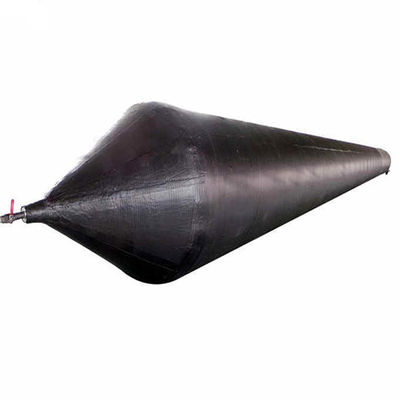
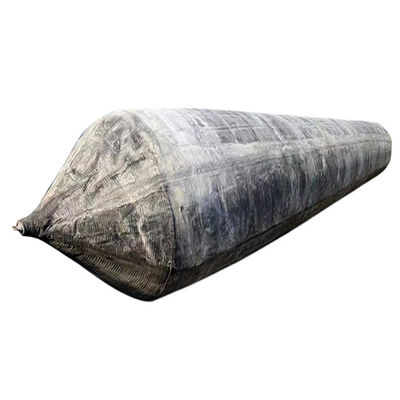
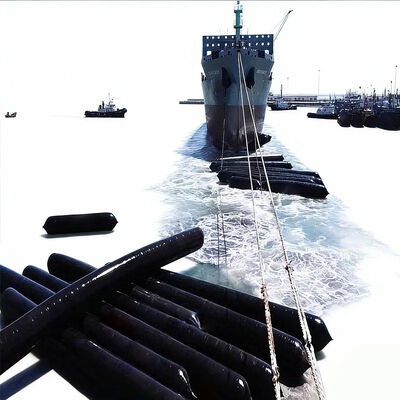
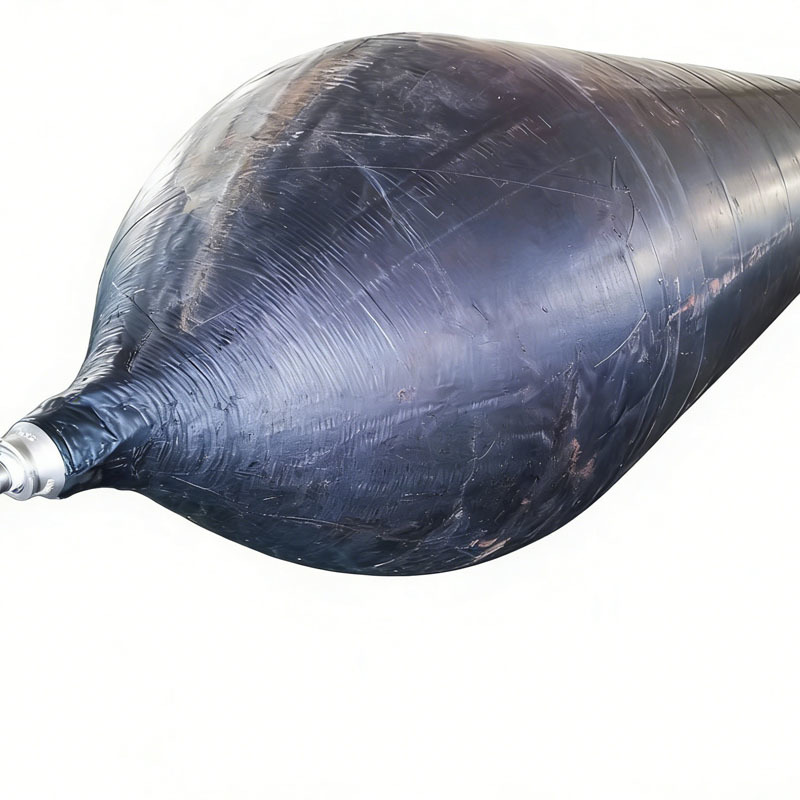
Việc phóng túi khí là một công nghệ chuyển đổi từ tàu sang nước linh hoạt và hiệu quả cao sử dụng túi khí khí khí bơm như môi trường hỗ trợ và lăn chính bên dưới thân tàu.Thay vì dựa vào các đường trượt được củng cố hoặc hệ thống đường sắt thép, túi khí cung cấp hỗ trợ tải phân tán thông qua áp suất bên trong được kiểm soát, cho phép tàu được phóng an toàn ngay cả trong môi trường có cơ sở hạ tầng hạn chế.Cấu trúc đa lớp của chúng cung cấp sức mạnh trong cả hai hướng trục và đường viền, cho phép biến dạng dự đoán khi con tàu chuyển từ đất liền sang nước.
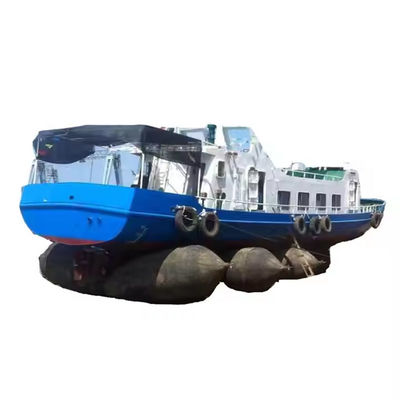
Phương pháp này hoạt động bằng cách đặt một loạt túi khí hình trụ dưới thân tàu sau khi nó được nâng bằng cách sử dụng các jack thủy lực đồng bộ.thân tàu bắt đầu di chuyển về phía trước, lăn trên túi khí trong khi sức đề kháng mặt đất giảm dần cho đến khi nổi bắt đầu.
Một trường hợp đại diện liên quan đến việc phóng một tàu chở hàng đa mục đích 9.600 tấn tại một xưởng đóng tàu Đông Nam Á với không gian làm việc hạn chế và bờ biển nông.Xây dựng đường trượt truyền thống sẽ yêu cầu tăng cường kỹ thuật dân dụng rộng rãiCác kỹ sư đã tiến hành mô phỏng để đánh giá việc phóng dựa trên túi khí như một lựa chọn thay thế.
Tổng cộng 28 túi khí, mỗi 1,8 m x 18 m, được đặt dưới thân tàu ở khoảng thời gian tối ưu.nhóm thực hiện phân tích phân phối tải và theo dõi cân bằng áp suất để đảm bảo rằng mỗi túi khí mang lực cân bằngTrong quá trình phóng, các cảm biến dịch chuyển và máy đo áp suất cung cấp dữ liệu thời gian thực về chuyển động thân tàu, đảm bảo rằng tàu duy trì sự sắp xếp và tăng tốc chính xác.
Khi con tàu lăn về phía trước, túi khí ở đuôi bị biến dạng theo cách có kiểm soát, hấp thụ năng lượng và ổn định thân tàu.và tàu đi vào nước mà không bị lệch bên hoặc bị hư hỏng do va chạmToàn bộ quá trình phóng mất ít hơn ba giờ, và kiểm tra cuối cùng xác nhận rằng lớp phủ thân tàu và các thành phần cấu trúc vẫn còn nguyên vẹn.
Việc khởi động thành công này đã làm giảm chi phí của xưởng đóng tàu khoảng 38% so với các lựa chọn thay thế đường trượt.Dự án đã chứng minh rằng việc thả túi khí có thể chứa các tàu thương mại cỡ trung bình mà không cần đầu tư cơ sở hạ tầng lớn, mở rộng phạm vi hoạt động của xưởng đóng tàu và cho phép lên lịch sản xuất linh hoạt.
Thông số kỹ thuật
| Điểm |
Mô tả |
| Địa điểm xuất xứ |
Trung Quốc |
| Tên thương hiệu |
Hongruntong Marine |
| Vật liệu |
Cao su tự nhiên loại công nghiệp |
| Chiều kính |
0.5m-3.0m, hoặc theo yêu cầu |
| Chiều dài |
1.0m-28.0m, hoặc theo yêu cầu |
| Áp lực làm việc |
0.05-0.25 Mpa |
| Kỹ thuật |
Áp suất cao, tổng thể cuộn, chống nổ |
| Sử dụng |
Thả tàu và đóng cảng |
| Độ dày |
5-13 lớp |
| Tiêu chuẩn |
Được thực hiện theo hệ thống ISO14409 và GB/T1590-2006. |
| Phụ kiện |
Q355/SS304/SS316, Đường đo áp suất, Tee, Cắm, Chuyển đổi, ống bơm |
| Bao bì |
Thùng nhựa bên trong; Thùng gỗ ngoài tiêu chuẩn. |
| Từ khóa |
Tàu phóng túi khí |
| Giấy chứng nhận |
ABS, BV, KR, LR, GL, NK, RINA, DNV, RMRS |
| MOQ |
1 |
| OEM |
Chào mừng. |
Các thông số kỹ thuật về công suất
| Chiều kính |
Áp lực làm việc |
Chiều cao làm việc |
Khả năng mang KN/m |
Khả năng mang hàng tấn/m |
| D=1,0m |
0.14Mpa |
0.6m |
87.96 |
8.98 |
|
|
0.5m |
109.96 |
11.22 |
|
|
0.4m |
131.95 |
13.46 |
| D=1,2m |
0.12Mpa |
0.7m |
94.25 |
9.62 |
|
|
0.6m |
113.10 |
11.54 |
|
|
0.5m |
131.95 |
13.46 |
|
|
0.4m |
150.80 |
15.39 |
| D=1,5m |
0.10Mpa |
0.9m |
94.25 |
9.62 |
|
|
0.8m |
109.96 |
11.22 |
|
|
0.7m |
125.66 |
12.82 |
|
|
0.6m |
141.37 |
14.43 |
|
|
0.5m |
157.08 |
16.03 |
| D=1,8m |
0.09Mpa |
1.1m |
98.96 |
10.10 |
|
|
1.0m |
113.10 |
11.54 |
|
|
0.9m |
127.33 |
12.98 |
|
|
0.8m |
141.37 |
14.43 |
|
|
0.7m |
155.51 |
15.87 |
|
|
0.6m |
169.65 |
17.31 |
| D=2,0m |
0.08Mpa |
1.2m |
100.53 |
10.26 |
|
|
1.1m |
113.10 |
11.54 |
|
|
1.0m |
125.66 |
12.82 |
|
|
0.9m |
138.23 |
14.11 |
|
|
0.8m |
150.80 |
15.39 |
|
|
0.7m |
163.36 |
16.67 |
|
|
0.6m |
175.93 |
17.95 |
* Kích thước khác có thể được sản xuất theo yêu cầu của khách hàng.
Đặc điểm
- Cấu trúc củng cố nhiều lớp:Các túi khí được chế tạo bằng nhiều lớp vải dây lốp xe được sắp xếp theo định hướng thay thế.Điều này tạo ra một bộ xương có sức kéo cao có khả năng chống lại kéo dài dọc và nén vòng trònCấu trúc cân bằng đảm bảo phân phối căng thẳng đồng đều dưới tải trọng thân tàu nặng.
- Hiệu suất áp suất bên trong ổn định:Các hợp chất cao su được thiết kế đặc biệt và van độ bền cao cho phép túi khí duy trì áp suất ổn định trong thời gian hoạt động dài.Giữ áp suất được kiểm soát đảm bảo động lực cán dự đoán và loại bỏ biến dạng địa phương có thể ảnh hưởng đến sự ổn định của thân tàu.
- Nhựa cao su ngoài chống mòn:Lớp bên ngoài được xây dựng để chống mài mòn từ đường trượt bê tông, đất nén và tấm thép.ngay cả với các chu kỳ phóng thường xuyên.
- Biến dạng trục linh hoạt:Cơ thể hình trụ của túi khí được thiết kế để biến dạng trơn tru dọc theo hướng trục, cho phép chuyển động lăn ổn định trên bề mặt không bằng phẳng.Sự linh hoạt này làm giảm thiểu mất năng lượng và góp phần kiểm soát chính xác tốc độ và hướng tàu.
Ứng dụng
- Việc phóng tàu thương mại nặng:Lý tưởng cho các tàu chở hàng, tàu hỗ trợ ngoài khơi và các chiếc phà công nghiệp lớn đòi hỏi xử lý tải phân tán và chuyển đổi trơn tru sang hỗ trợ nổi.
- Độ cao của thân tàu trong quá trình xây dựng:Các xưởng đóng tàu sử dụng túi khí để nâng tàu để sắp xếp keel, tích hợp khối, và kiểm tra thân tàu khi có hạn chế.
- Di chuyển của các cấu trúc công nghiệp nặng:Túi khí cung cấp hỗ trợ đồng bộ và khả năng lăn để di chuyển các caissons, mô-đun thép, các phần cầu và các thành phần kỹ thuật ven biển.
Ưu điểm
- Thiết kế và phân tích dựa trên kỹ thuật:Hongruntong áp dụng mô hình phần tử hữu hạn, mô phỏng căng thẳng và phân tích phản ứng áp suất để thiết kế túi khí cung cấp hiệu suất dự đoán trong điều kiện phóng thực tế.
- Sản xuất nghiêm ngặt và kiểm soát chất lượng:Tất cả các nguyên liệu thô đều có thể truy xuất được, và mỗi lớp gia cố được kiểm tra độ kéo và kiểm tra độ dính.
- Giải pháp phóng tùy chỉnh:Nhóm kỹ thuật của chúng tôi cung cấp các kế hoạch phóng phù hợp, bao gồm bố trí túi khí, cấu hình áp suất, quy trình nâng cao và chiến lược kiểm soát rủi ro phù hợp với loại tàu và điều kiện địa điểm.
- Hỗ trợ kỹ thuật toàn cầu và dịch vụ lâu dài:Mạng lưới phân phối trên toàn thế giới, hướng dẫn tại chỗ, đào tạo hoạt động và đánh giá sau khi phóng đảm bảo hỗ trợ nhất quán, đáng tin cậy trong suốt thời gian sử dụng của túi khí.
Câu hỏi thường gặp
Q1. Những yếu tố nào quyết định kích thước túi khí phù hợp cho một tàu?
Độ kính túi khí, chiều dài và lớp củng cố được chọn dựa trên trọng lượng tàu, hình dạng thân tàu, độ nghiêng phóng và điều kiện mặt đất.
Hỏi 2. túi khí có thể ở lại dưới tải trong khi nâng thân tàu trong bao lâu?
Chúng có thể hỗ trợ tàu trong vài giờ, miễn là áp suất được theo dõi và duy trì trong phạm vi hoạt động được khuyến cáo.
Q3. Các túi khí có thể hoạt động trên bề mặt đất bất thường không?
Vâng, chúng chịu được sự bất thường vừa phải, mặc dù các bề mặt thô hoặc sắc nét nên được làm bằng hoặc che phủ để ngăn ngừa sự cọ xát.
Q4. Bao nhiêu lần túi khí nên được kiểm tra?
Một cuộc kiểm tra ngắn trước khi sử dụng được yêu cầu trước mỗi hoạt động, với thử nghiệm áp suất đầy đủ hàng năm được khuyến cáo cho các xưởng đóng tàu sử dụng cao.
Q5. Tuổi thọ dự kiến của túi khí Hongruntong Marine là bao nhiêu?
Với bảo trì thích hợp, túi khí thường cung cấp nhiều năm hoạt động đáng tin cậy, ngay cả trong môi trường phóng cao.