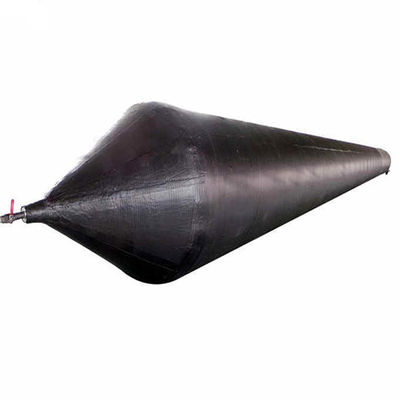
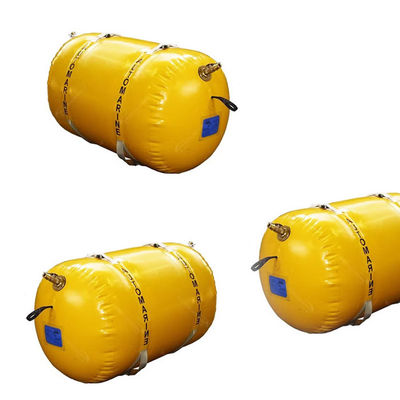
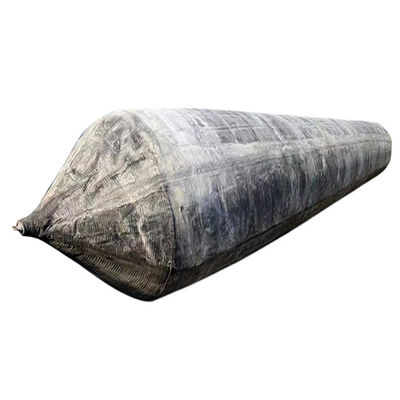
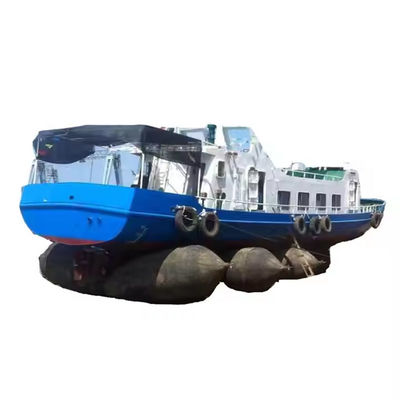
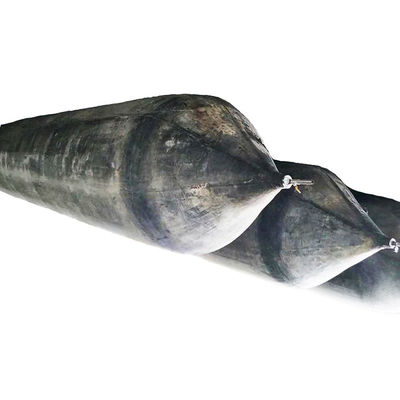
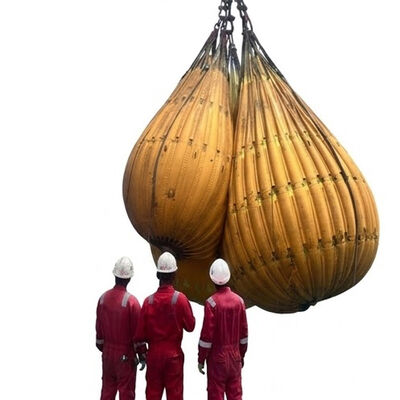
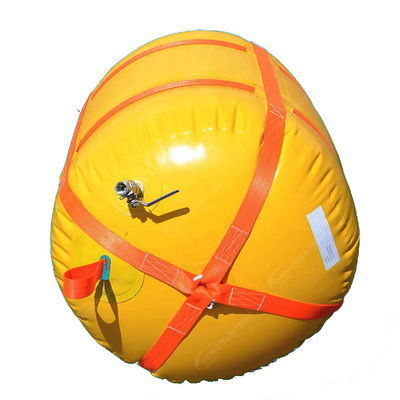
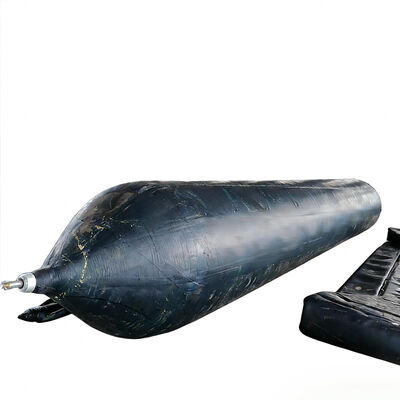
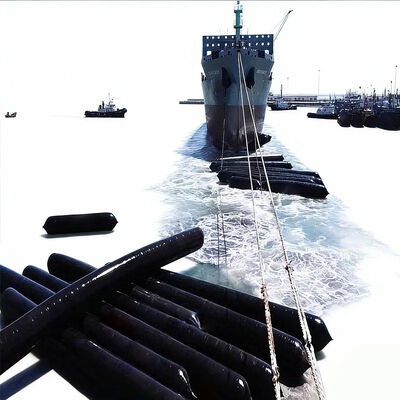
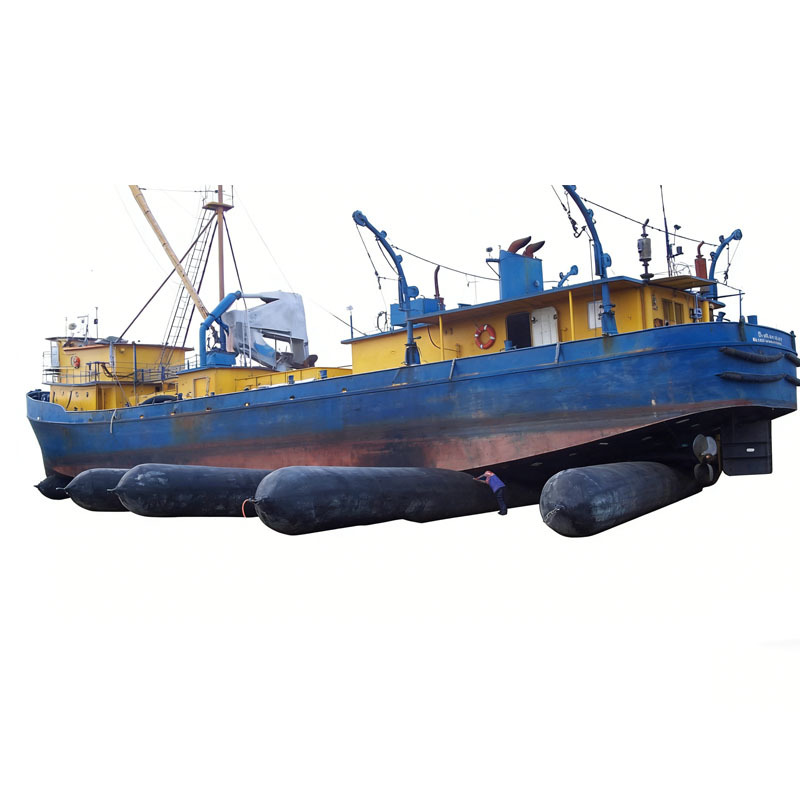
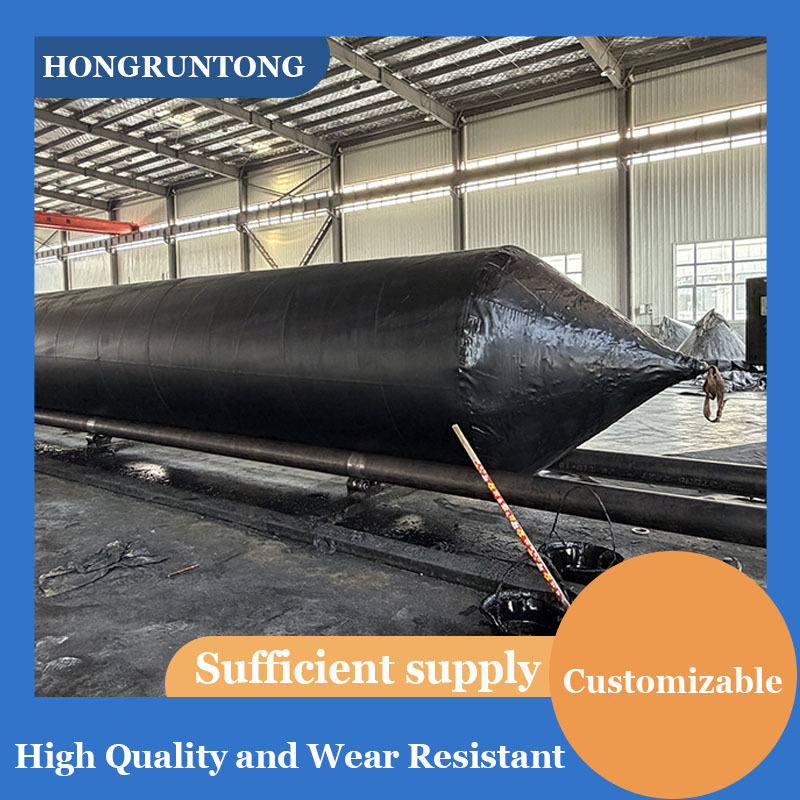
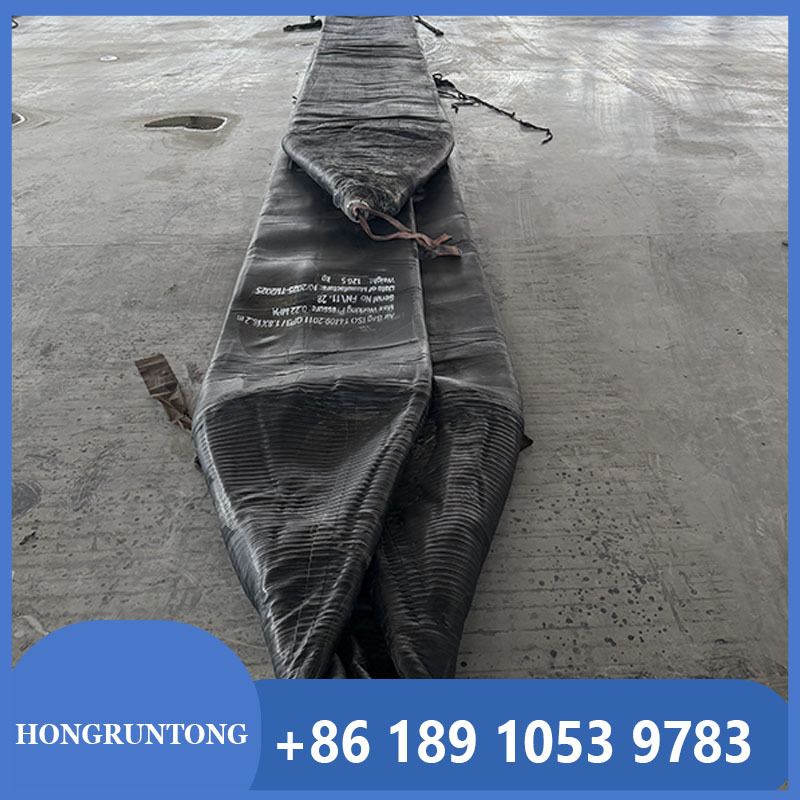
Airbag launching has evolved into a mature, cost-effective, and structurally reliable method for transferring ships from land to water without dependence on permanent slipway facilities. The technology operates by distributing hull loads across a series of cylindrical reinforced airbags that deform elastically under controlled pressure. This deformation serves two simultaneous functions: load-bearing support and rolling propulsion.
By adjusting internal pressure and spacing, airbag systems can be configured for vessels with varying displacement, keel geometries, and launching-angle requirements. They perform particularly well in shipyards constrained by space, limited infrastructure, or changing shoreline conditions.
Unlike cradle systems or drydock launching, airbag launching does not introduce concentrated point stresses into the hull bottom. Instead, the hull rests on a continuously adapting support surface, allowing stresses to remain within safe yield limits during longitudinal movement. Advanced rubber formulation and high-tensile reinforcement technology ensure structural stability even during rapid pressure transitions and dynamic load cycles.
A notable engineering case took place at a Northern European facility deploying a 165-meter offshore construction barge with a flat-bottomed hull and complex load distribution. Traditional cradle launching was impractical due to infrastructure limitations.
Engineers designed a high-capacity airbag arrangement using 32 airbags (2.0m diameter, 20m length) with differential pressurization to balance asymmetric loads. Laser alignment sensors ensured straight-line movement, and the ground was reinforced with compacted stone and steel plates.
During launch, the barge advanced steadily across the airbags as each unit compressed and released energy in a controlled sequence. The vessel entered the water with low trim variation and no lateral drift, validating airbag launching for large industrial vessels with unconventional mass distributions.
| Place of Origin | China |
| Brand Name | Hongruntong Marine |
| Material | Industrial Grade Natural Rubber |
| Diameter | 0.5m-3.0m, or as Request |
| Length | 1.0m-28.0m, or as Request |
| Working Pressure | 0.05-0.25 Mpa |
| Technics | High Pressure, Overall Winding, Explosion-Proof |
| Use | Ship Launching and Docking |
| Thickness | 5-13 ply |
| Standard | ISO14409 and GB/T1590-2006 |
| Accessories | Q355/SS304/SS316, Pressure Gauge, Tee, Plug, Switch, Inflation Tube |
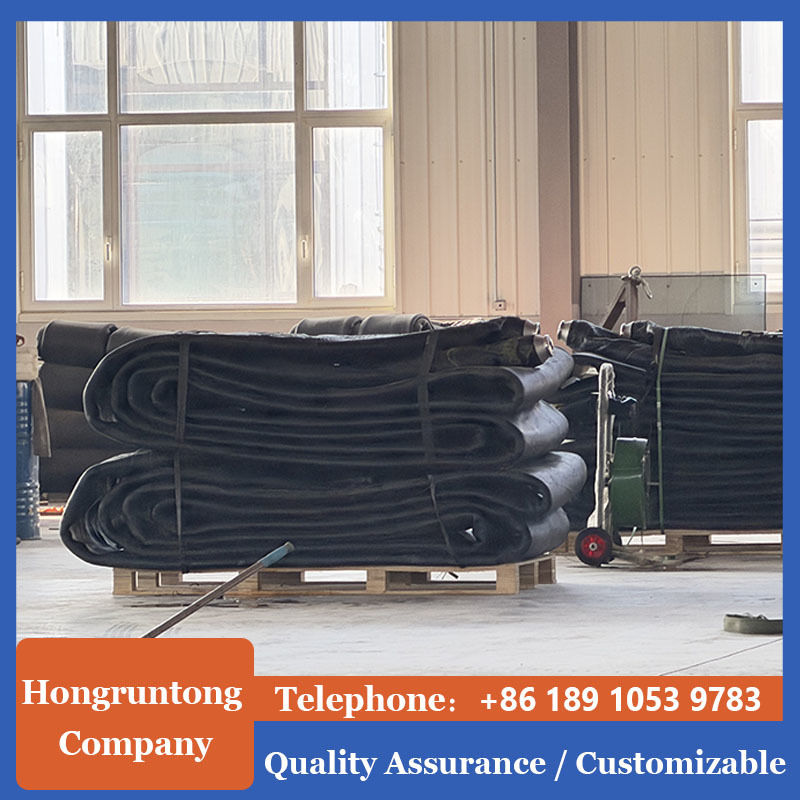
| Packaging | Inner-Plastic Bag; Outer-Standard Wooden Pallets |
| Certificates | ABS, BV, KR, LR, GL, NK, RINA, DNV, RMRS |
| MOQ | 1 |
| OEM | Welcome |
| Diameter | Working Pressure | Working Height | Bearing Capacity (KN/m) | Bearing Capacity (Ton/m) |
|---|---|---|---|---|
| D=1.0m | 0.14Mpa | 0.6m | 87.96 | 8.98 |
| 0.5m | 109.96 | 11.22 | ||
| 0.4m | 131.95 | 13.46 | ||
| D=1.2m | 0.12Mpa | 0.7m | 94.25 | 9.62 |
| 0.6m | 113.10 | 11.54 | ||
| 0.5m | 131.95 | 13.46 | ||
| 0.4m | 150.80 | 15.39 | ||
| D=1.5m | 0.10Mpa | 0.9m | 94.25 | 9.62 |
| 0.8m | 109.96 | 11.22 | ||
| 0.7m | 125.66 | 12.82 | ||
| 0.6m | 141.37 | 14.43 | ||
| 0.5m | 157.08 | 16.03 | ||
| D=1.8m | 0.09Mpa | 1.1m | 98.96 | 10.10 |
| 1.0m | 113.10 | 11.54 | ||
| 0.9m | 127.33 | 12.98 | ||
| 0.8m | 141.37 | 14.43 | ||
| 0.7m | 155.51 | 15.87 | ||
| 0.6m | 169.65 | 17.31 | ||
| D=2.0m | 0.08Mpa | 1.2m | 100.53 | 10.26 |
| 1.1m | 113.10 | 11.54 | ||
| 1.0m | 125.66 | 12.82 | ||
| 0.9m | 138.23 | 14.11 | ||
| 0.8m | 150.80 | 15.39 | ||
| 0.7m | 163.36 | 16.67 | ||
| 0.6m | 175.93 | 17.95 |